UK Warns of 'Low-Gear' Economy as US Evacuates Bases Over Iran Threat
هشدار بانک مرکزی انگلیس درباره اقتصاد «کمسرعت»؛ تخلیه پایگاههای آمریکا از ترس تهدیدات ایران
The Bank of England warns that regional conflict is stalling the UK economy, while the US military relocates aircraft from British bases due to heightened security threats. Meanwhile, LNG traffic through the Strait of Hormuz reaches record highs despite ongoing tensions.
At time of publishing
USD
262,500
Toman
Gold 18K
25.76M
Toman / gram
Bitcoin
$74,709
US Dollar
Tether
262,898
Toman
The 'Low-Gear' Economy: Bank of England’s Warning
Clare Lombardelli, the Deputy Governor for Monetary Policy at the Bank of England, has issued a stark warning regarding the state of the British economy, describing it as stuck in 'low gear.' According to Lombardelli, the ongoing conflict in the Middle East has not only fueled a surge in energy prices but has also cast a long shadow of uncertainty over global markets. This atmosphere of instability is particularly damaging to the younger generation, as employers are increasingly hesitant to hire, leading to a noticeable spike in youth unemployment across the United Kingdom.
This economic stagnation is a direct consequence of the geopolitical volatility involving Iran and its regional proxies. For Iranian readers and investors, this serves as a reminder that the economic fallout of regional tensions is not localized; it ripples through global central bank policies and affects the purchasing power of major currencies. When the Bank of England signals a slowdown due to energy costs, it often precedes broader market shifts that can impact the value of the Dollar and Euro against the Toman.

US Evacuates Aircraft from UK Bases Over Iran Threat
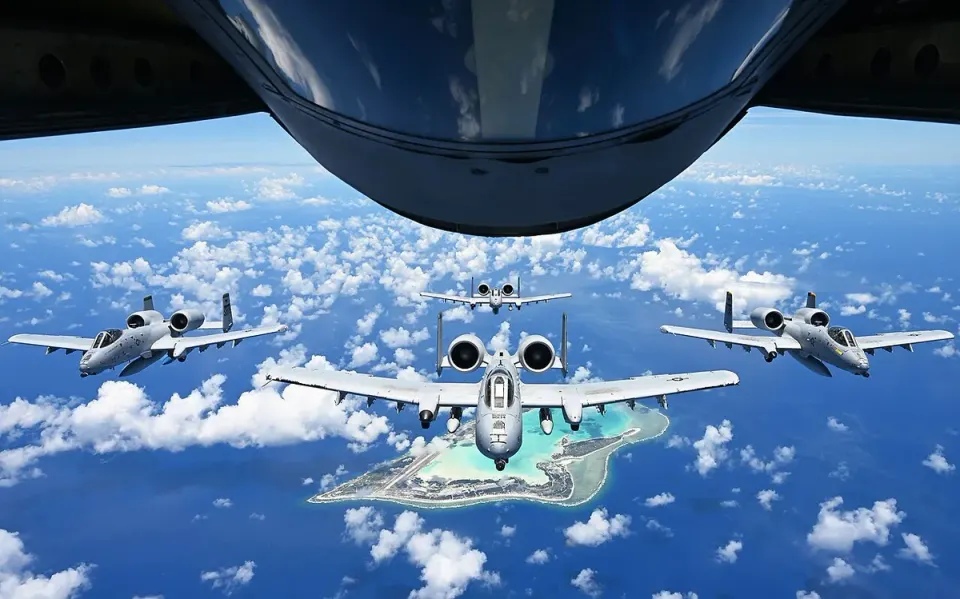
In a significant escalation of security concerns, the United States military has reportedly evacuated several aircraft from RAF Mildenhall in Britain. This move comes after intelligence suggested a credible threat linked to Iran. According to reports from the Wall Street Journal, at least two US refueling tankers were diverted to Germany, followed by several other assets later in the day. This incident follows a similar withdrawal of bombers from RAF Fairford just weeks ago, suggesting a pattern of heightened alert for US assets stationed in Europe.
Why this matters is the sheer scale of the precaution. The US military does not relocate strategic assets like refueling tankers lightly. This action indicates that the 'shadow war' between Washington and Tehran is no longer confined to the Middle East but is actively influencing military posturing in Western Europe. The relocation of these assets to Germany and other locations signals that the Pentagon views the threat as both specific and imminent enough to disrupt standard operating procedures at one of its most vital overseas hubs.
LNG Traffic Through Hormuz Hits Record Highs
Despite the pervasive atmosphere of conflict, the flow of energy through the Strait of Hormuz has reached levels not seen since the start of the current regional hostilities. Data from Kpler indicates that 31 LNG tankers passed through the strait last month, a significant increase from the 27 recorded in September. Most of these shipments originated from Qatar’s Ras Laffan hub. This surge is particularly notable because Qatar has been operating under 'force majeure' conditions, yet it continues to find ways to move massive volumes of gas to global markets.
This paradox—record energy exports amid record regional tension—highlights the world's desperate reliance on Middle Eastern energy. In some cases, LNG cargoes were even transferred to different tankers immediately after clearing the strait to mitigate insurance risks. For the Iranian economy, which remains heavily sanctioned, this high volume of traffic underscores the strategic importance of the Strait of Hormuz as a global chokepoint. Any disruption here would send gold and dollar prices into a vertical climb, a fact that remains the primary lever of regional geopolitics.
Market Update: Toman Shows Slight Resilience
On Tuesday, November 10, 2026, the Iranian Toman showed a minor recovery in the open market. The USD sell rate moved from 264,200 to 262,500 Toman, representing a 0.6% decrease in the dollar's value over the last 24 hours. This slight cooling of the forex market comes despite the intense geopolitical headlines, suggesting that local traders may have already priced in much of the current regional tension. However, the Emami coin also saw a slight dip, moving from 259,000,000 to 258,000,000 Toman (-0.4%).

While the local currency sees a temporary reprieve, global assets remain at historic highs. Gold continues to trade at $4,118.50 per ounce, reflecting the deep-seated global anxiety over the US-Russia-Ukraine peace talks in Abu Dhabi and the bizarre security scandal involving Nvidia’s CEO. For Iranian investors, the stability of the 18k gold price at 25,762,962 Toman per gram provides a hedge, but the underlying volatility of the global landscape suggests that this period of relative calm in the Toman exchange rate may be fragile.
Frequently Asked Questions
چرا ارتش آمریکا هواپیماهای خود را از بریتانیا خارج کرد؟
دلیل رکوردشکنی ترافیک LNG در تنگه هرمز چیست؟
وضعیت قیمت دلار و طلا در بازار تهران چگونه است؟
The Strategic Importance of the Strait of Hormuz for Global Energy Markets
The Strait of Hormuz, a narrow waterway between Oman and Iran, is one of the world’s most critical chokepoints for oil and liquefied natural gas (LNG) shipments. Although it is only about 21 miles (34 km) wide at its narrowest point, roughly a fifth of the world’s daily oil consumption and a significant share of global LNG passes through it each day. Because the strait connects the Persian Gulf – home to the massive oil fields of Saudi Arabia, Kuwait, Iraq, and the United Arab Emirates – with the open ocean, any disruption can instantly reverberate through international energy prices.
Geopolitical tensions, especially involving Iran, have repeatedly threatened the free flow of energy through Hormuz. When Iran threatens to close the strait or conducts naval drills nearby, traders anticipate supply constraints and bid up the price of oil and LNG futures. This price‑pass‑through mechanism was evident in 2022‑2023 when Iranian‑U.S. confrontations caused a sharp spike in Brent crude and spot LNG prices, prompting higher fuel costs for airlines, shipping, and even domestic electricity generation in Europe and Asia.
The impact of a Hormuz disruption extends beyond immediate price spikes. Higher energy costs feed into broader inflation, pressuring central banks such as the Bank of England to consider tighter monetary policy even when domestic growth is sluggish – a situation often described as a “low‑gear” economy. Moreover, countries that rely heavily on energy imports, like the United Kingdom, must balance security concerns with the need to keep energy bills affordable for households.
In response, many nations diversify their energy supply routes and sources. Europe, for instance, has accelerated investments in LNG terminals and increased imports from the United States and Qatar to reduce reliance on Persian Gulf shipments. Simultaneously, naval forces, including the U.S. Air Force’s RAF Mildenhall base, maintain a constant presence in the region to deter any attempts to block the strait, underscoring how intertwined security and energy markets have become.
Understanding the strategic role of the Strait of Hormuz helps explain why seemingly distant geopolitical events can have immediate repercussions on everyday items like gasoline, heating bills, and even the price of gold in markets such as Iran’s toman‑denominated exchanges. It also highlights why policymakers watch the strait closely when crafting both foreign and economic policy.