Global Emissions Dip Amidst Iran Tensions; France Targets Tehran Over Cyberattacks
کاهش انتشار جهانی گازها در بحبوحه تنش با ایران؛ فرانسه ایران را به دلیل حملات سایبری تهدید کرد
Global fossil fuel emissions are projected to fall for the first time since the Covid pandemic, influenced by renewable energy growth and the impact of the Iran conflict. Meanwhile, France is considering collective European action against Iran, accusing Tehran of orchestrating cyberattacks on supermarkets.
At time of publishing
USD
263,500
Toman
Gold 18K
25.76M
Toman / gram
Bitcoin
$74,621
US Dollar
Tether
261,594
Toman
Global Emissions Decline Amidst Geopolitical Headwinds
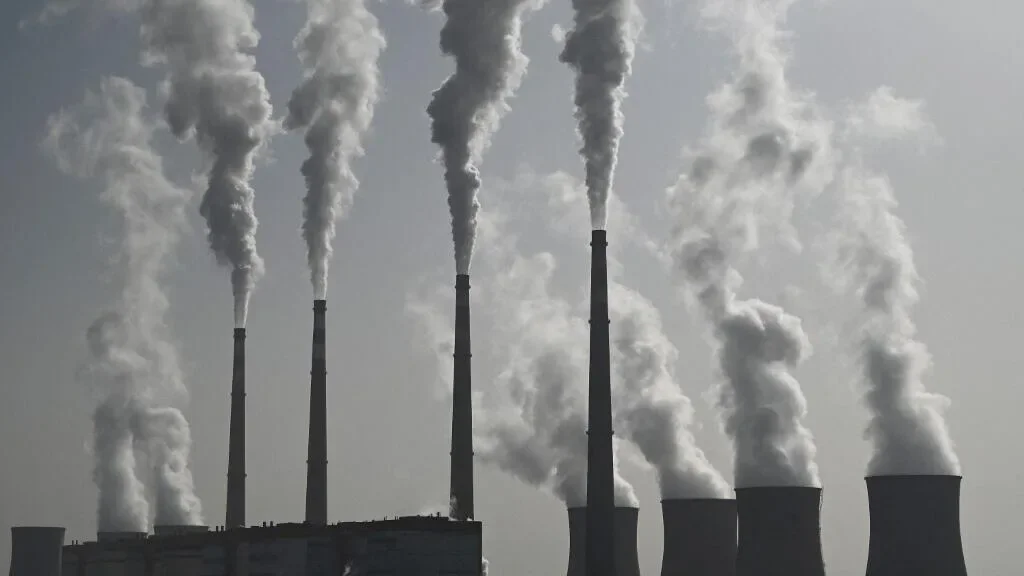
For the first time since the COVID-19 pandemic, global fossil fuel emissions are anticipated to decrease by approximately 0.4 percent in 2026. This projected downturn, according to recent research, is largely attributed to the accelerating expansion of renewable energy sources and the significant oil price shock stemming from the ongoing conflict involving Iran. Researchers caution, however, that this decline may prove to be temporary, underscoring the complex interplay between global energy transitions and geopolitical instability.
The implications of this shift are far-reaching. A sustained reduction in emissions, even if modest, could signal a turning point in the global fight against climate change. However, the concurrent geopolitical tensions, particularly those involving Iran, highlight the precariousness of this progress. The energy price shock, while contributing to emission reduction by curbing demand, also introduces economic volatility and potential supply chain disruptions, creating a challenging environment for sustained environmental efforts. For Iran, this development could mean further pressure on its oil-dependent economy, potentially exacerbating existing economic challenges and influencing its regional and international relations.
---
France Threatens Action Against Iran Over Cyberattacks
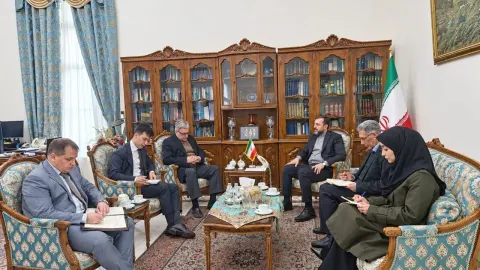
France has indicated its intention to pursue collective European action against Iran in response to a series of cyberattacks targeting hundreds of supermarket refrigerators. French Foreign Minister Jean-Noël Barrot stated on Tuesday that Tehran's Revolutionary Guards are believed to be behind the coordinated sabotage that occurred in October. This accusation escalates diplomatic tensions between France and Iran, with Paris signaling a firm stance against what it perceives as state-sponsored cyber warfare.
The cyberattacks, though seemingly unusual in their target, represent a potentially significant escalation in asymmetric warfare tactics. By disrupting essential services like refrigeration in supermarkets, Iran could be aiming to inflict economic damage and sow public discontent. France's proposed response, involving coordinated European action, suggests a recognition of the transnational nature of such threats and a desire for a unified diplomatic and potentially economic front to deter future incidents. For Iran, such international pressure could lead to further sanctions or diplomatic isolation, impacting its trade relations and economic stability, particularly in the current climate of global energy market volatility.
---
Ukraine Peace Talks Resume Amidst US Pressure
Negotiators from Ukraine, Russia, and the United States are reconvening in Abu Dhabi for their first trilateral peace talks in over nine months. The renewed dialogue comes as the United States exerts pressure for a resolution to the protracted conflict, with Ukrainian officials facing increasing calls to consider territorial concessions. The inclusion of European representatives in the discussions signals a broader international effort to broker an end to the hostilities, though concerns linger about potential external influences, particularly regarding statements from former US President Donald Trump, who has previously suggested Ukraine might need to accept a deal on Moscow's terms.
This resumption of talks is a critical development, offering a potential, albeit fragile, pathway to de-escalation. The pressure on Ukraine to make concessions highlights the complex geopolitical landscape and the shifting dynamics of international support. For regional stability, particularly concerning Iran and its allies, the outcome of these talks could have ripple effects on global security calculations and energy market sentiment. The involvement of the US and European powers underscores the global stakes, with a resolution potentially altering the balance of power and influencing future diplomatic engagements, including those involving Iran.

---
Nvidia Faces Shareholder Lawsuit Over CEO's Alleged Affair
Nvidia and its CEO, Jensen Huang, are facing a shareholder lawsuit accusing them of defrauding investors in connection with a scandal involving an alleged affair with a Chinese spy. The legal action has emerged concurrently with reports that the FBI is investigating Huang's personal relationships and their potential implications for national security and corporate governance. This situation places Nvidia, a titan in the AI chip industry, under intense scrutiny regarding its internal controls and the ethical conduct of its leadership.
The lawsuit and ongoing investigations raise serious questions about corporate responsibility, transparency, and the intersection of personal conduct with business operations, especially for a company at the forefront of advanced technology. The alleged links to a Chinese spy could have significant ramifications for Nvidia's market position, its access to sensitive technologies, and its relationships with governments worldwide. For the broader tech industry and AI development, this event underscores the heightened risks associated with geopolitical rivalries and the complex security challenges inherent in globalized high-tech enterprises. The outcome could influence regulatory oversight and investor confidence in the sector.

Frequently Asked Questions
What is the projected decrease in global fossil fuel emissions?
What is France's specific accusation against Iran regarding cyberattacks?
What is the significance of the Ukraine peace talks resuming in Abu Dhabi?
Why is Nvidia's CEO, Jensen Huang, facing a shareholder lawsuit?
Understanding the Geopolitics of Energy
The news headline, linking a "dip in global emissions" with "Iran Tensions" and mentioning "fossil fuels" and "renewable energy," highlights a critical concept: the Geopolitics of Energy. This field examines the complex interplay between political power, geographical factors, and energy resources. It explores how the control, access, and transit of vital energy resources—like oil and natural gas—shape international relations, drive foreign policy decisions, and influence global economic stability.
Iran, being a significant global producer of fossil fuels, plays a crucial role in this geopolitical landscape. Tensions involving such major energy suppliers can have immediate and far-reaching consequences. Disruptions in supply from key regions, whether due to conflict, sanctions, or political instability, can lead to volatility in global energy prices, impacting everything from transport costs to industrial production. For energy-importing nations, this volatility underscores the importance of energy security, often prompting strategic decisions about diversifying supply sources or accelerating the transition to domestic renewable energy.
The reported "dip in global emissions" amidst these tensions could be a multifaceted outcome. On one hand, geopolitical instability can lead to economic slowdowns, inadvertently reducing industrial activity and energy demand, thus lowering emissions. On the other hand, higher fossil fuel prices resulting from supply disruptions might temporarily encourage a shift towards less energy-intensive activities or a more efficient use of existing resources. However, in the long term, concerns over energy security often act as a powerful catalyst for increased investment in renewable energy sources and energy independence, aiming to insulate economies from volatile international energy markets and their geopolitical risks.
Ultimately, understanding the geopolitics of energy is essential for grasping why events in one part of the world, particularly those involving major energy producers, can have profound global economic, political, and environmental implications. It illustrates how the quest for energy security and the strategic management of energy resources are deeply intertwined with international stability and the global effort to address climate change.