France Vows Retaliation for 'Freezer Sabotage' as US Forces Vacate UK Bases Over Iran Threats
هشدار تند فرانسه به تهران؛ تخلیه پایگاههای آمریکا در بریتانیا در پی تهدیدات امنیتی
Diplomatic tensions between Paris and Tehran have reached a boiling point following a cyberattack on French supermarket infrastructure, while US military assets are being repositioned in Europe due to security concerns linked to Iran.
At time of publishing
USD
261,600
Toman
Gold 18K
25.76M
Toman / gram
Bitcoin
$74,182
US Dollar
Tether
261,593
Toman
France Signals Escalation Over Cyber 'Sabotage'
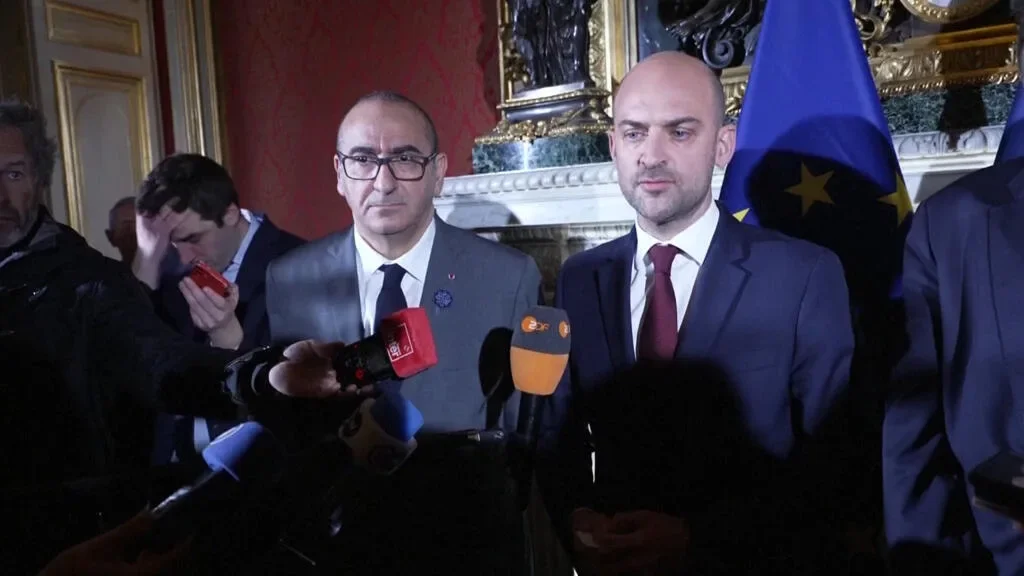
France's Foreign Minister Jean-Noel Barrot has issued a stern warning to Tehran, stating that Paris rules out "nothing" in its response to a massive cyberattack that targeted hundreds of supermarket refrigerators across the country in October. The French government has explicitly blamed Iranian actors for the breach, which caused significant food waste and logistical chaos. Barrot emphasized that the goal of the French response is to deter any future attempts at infrastructure sabotage, whether from Iran or other hostile actors. This move marks a significant hardening of the European stance against what they describe as Iranian 'gray zone' warfare.
Following the minister's remarks, France officially summoned Iran’s ambassador to Paris to deliver a formal protest. The incident, described as 'supermarket fridge sabotage,' is being viewed not just as a technical breach but as a direct assault on civilian food security. European officials are now reportedly discussing a new round of coordinated sanctions specifically targeting Iranian entities involved in cyber warfare. For the average Iranian, this diplomatic freeze suggests that any hope for immediate sanctions relief or a return to nuclear negotiations is effectively dead, as European powers shift from mediation to active containment.

US Strategic Bombers Exit UK Bases Amid Security Alerts
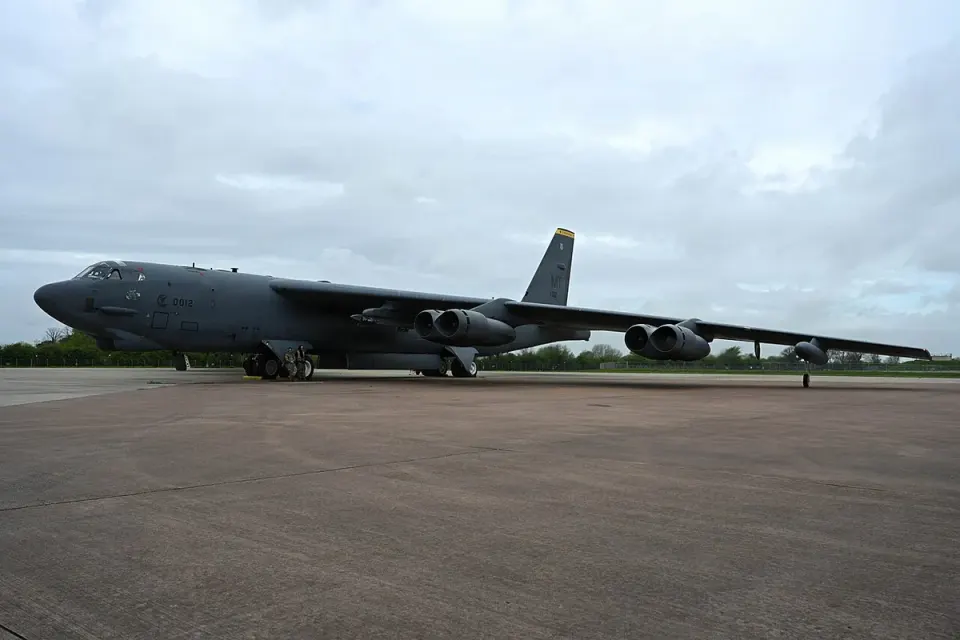
In a move that signals heightened military alert levels, US military aircraft have begun departing from a second major base in the United Kingdom. Following the withdrawal of strategic bombers from RAF Fairford, sources indicate that assets are being repositioned away from RAF Mildenhall as well. These departures are linked to what intelligence officials describe as 'suspected Iran-linked security incidents.' While the Pentagon has been tight-lipped about the specific nature of the threats, the movement suggests a credible risk to US personnel and high-value hardware stationed on British soil.
This military reshuffling comes at a time of extreme volatility in the Middle East and beyond. The relocation of these assets is not merely a logistical shift but a tactical withdrawal to more secure or less predictable locations to avoid potential asymmetric strikes. For global markets, this movement reinforces the 'war footing' narrative that has kept energy prices and risk premiums high. It also indicates that the US military is taking Iranian capabilities for long-range disruption far more seriously than in previous years, opting for caution over presence in European hubs that were once considered safe havens.
Political Fallout in Washington and Market Reactions
Domestic politics in the United States are increasingly being dictated by the fallout from the ongoing friction with Iran. Defense Secretary Pete Hegseth is currently facing a rare impeachment bid led by Republican Congressman Thomas Massie, who accuses the Pentagon chief of waging an 'illegal war' without congressional authorization. This political infighting follows a disastrous midterm performance for the ruling party, which many analysts attribute to public exhaustion with Middle Eastern entanglements and the resulting economic strain. Hegseth’s upcoming news briefing is expected to be a high-stakes defense of the administration’s aggressive posture.
On the economic front, the Iranian Toman showed a slight recovery today, Tuesday, November 10, 2026. The USD sell rate moved from 264,200 to 261,600 Toman, representing a 1.0% decrease in the dollar's value. Similarly, the Emami gold coin saw a 1.5% drop, moving from 259,000,000 to 255,000,000 Toman. Despite this minor cooling in the domestic market, the broader outlook remains tense. Bitcoin remains subdued below the $75,000 mark as regulatory uncertainty and ETF outflows persist, while global gold prices hover near historic highs at $4,072.70 per ounce, reflecting a world still hedging against systemic instability.

Watch
France vows tough response to freezer cyberattack blamed on Iran • FRANCE 24 English
FRANCE 24 English
Frequently Asked Questions
Why is France blaming Iran for a cyberattack on refrigerators?
Why are US military aircraft leaving bases in the UK?
What is the cause of the 1% drop in the USD/IRR exchange rate today?
Understanding Hybrid Warfare in Modern Geopolitics
In today's complex global landscape, conflicts rarely unfold as simple, conventional battles between armies. Instead, nations and non-state actors increasingly engage in what is known as Hybrid Warfare. This multifaceted approach blends conventional military actions with irregular tactics, cyberattacks, disinformation campaigns, and economic pressure, often operating below the threshold of declared war to achieve specific political objectives. It's a strategy designed to create ambiguity, sow confusion, and destabilize an adversary without triggering a full-scale military response.
Key elements of hybrid warfare are evident in the recent headlines. "Freezer sabotage" points to sophisticated cyberattacks, a hallmark of irregular warfare aimed at critical infrastructure or intelligence gathering. The movement of "US forces vacating UK bases over Iran threats" signifies conventional military posturing and deterrence, a traditional component, but within a broader, less conventional strategic context. Furthermore, the focus on the "Strait of Hormuz oil tankers" highlights the use of critical geopolitical chokepoints as leverage, potentially through a mix of conventional naval presence, irregular maritime actions, or even economic threats to global oil supply.
Economic tools are also central to hybrid warfare. "Iran sanctions" are a prime example of using financial and trade restrictions to exert pressure on a nation's economy, influencing everything from the "USD IRR exchange rate" to the "Gold price in Iran." These economic pressures, when combined with cyber operations and military signaling, form a comprehensive strategy to weaken an adversary from within and without, challenging their stability and decision-making processes.
The challenge of hybrid warfare lies in its ambiguous nature and the difficulty in attributing attacks or responding proportionally. It requires a holistic defense strategy that integrates cybersecurity, economic resilience, intelligence, and conventional military capabilities. Understanding this concept is crucial for grasping the intricate dynamics of contemporary international relations, where conflicts are fought on multiple fronts simultaneously, often without a clear declaration of war.