Russia-Ukraine Talks Gain Traction; Iran Faces EU Sanctions Over Cyberattacks
مذاکرات روسیه و اوکراین جدیتر شد؛ ایران در پی حملات سایبری با تحریمهای اتحادیه اروپا روبرو است
Positive signals emerged from Russia-Ukraine peace talks in Abu Dhabi, with US officials deeming them 'very productive.' Meanwhile, the EU is preparing to impose sanctions on Iran following French accusations of state-sponsored cyberattacks targeting supermarket infrastructure.
At time of publishing
USD
260,100
Toman
Gold 18K
25.76M
Toman / gram
Bitcoin
$73,672
US Dollar
Tether
260,669
Toman
Productive Russia-Ukraine Talks Signal Diplomatic Push
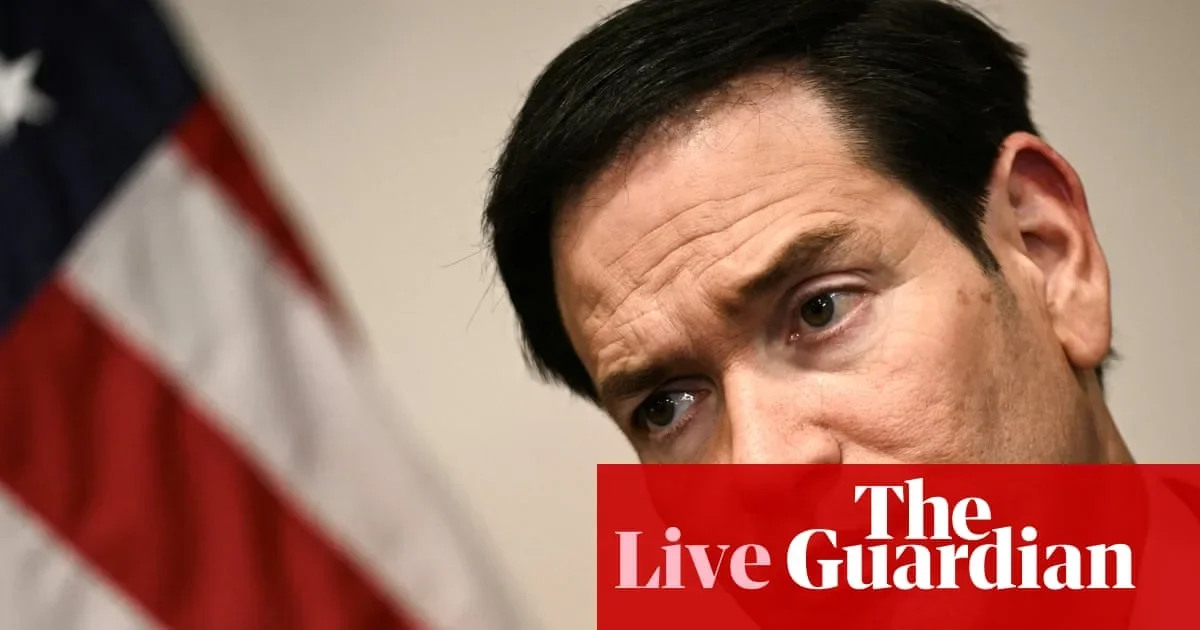
US officials have described the latest round of Russia-Ukraine peace talks, held in Abu Dhabi, as "very productive." While the discussions, which lasted four hours, are expected to resume, the optimistic assessment from Washington suggests a renewed diplomatic effort to find a resolution to the protracted conflict. The involvement of US officials in facilitating these talks underscores a strategic push to de-escalate tensions and potentially bring an end to the war, a goal that has remained elusive for many months.
The significance of these talks, even if they don't yield immediate breakthroughs, lies in the continued engagement and the positive framing by key international players. For global markets and geopolitical stability, any sign of progress in resolving major conflicts is a welcome development. The potential for a de-escalation could ease pressure on energy markets and reduce broader economic uncertainty, which has ripple effects across global trade and investment, including for Iran's economy through indirect channels.
---
EU Prepares Sanctions Against Iran Over Cyberattacks
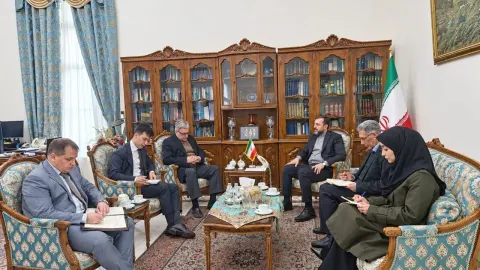
France has officially accused Iran's Revolutionary Guards of orchestrating cyberattacks against European supermarket freezers and chillers, resulting in millions of euros in damages. In response, the European Union is preparing to implement "swift and united" sanctions against those responsible. French Foreign Minister Jean-Noël Barrot stated that Europe-wide sanctions would be imposed, emphasizing the EU's consistent call for states to refrain from malicious cyberspace activities.
This development marks a significant escalation in cyber-diplomacy and highlights the growing concern over state-sponsored cyber warfare. The targeted nature of the attacks—disrupting food supply chains—suggests a deliberate effort to cause economic and social disruption. For Iran, facing potential EU sanctions adds another layer of economic pressure, impacting its ability to engage in international trade and finance, and potentially affecting the value of the Toman and the price of gold and other commodities indirectly through increased risk aversion.

---
Iraq Restricts Iranian Aircraft Amid Sanctions Pressure
Reports indicate that Iraq has barred an Iranian football team's plane from landing in Basra. This decision by the Iraqi Civil Aviation Authority is reportedly linked to U.S. sanctions imposed on Iranian airlines. The move underscores the pervasive impact of U.S. sanctions on Iran's international relations and travel capabilities, even in seemingly non-political contexts.
Such restrictions, while seemingly minor, contribute to Iran's growing international isolation. They signal to other nations the potential consequences of engaging with sanctioned Iranian entities. For the Iranian populace, these incidents can foster a sense of being increasingly cut off from the global community, potentially influencing domestic confidence and economic sentiment. This adds to the complex web of economic and political pressures already affecting the Toman and other domestic markets.
---
US Inflation Cools Slightly in October, Gas Prices Dip
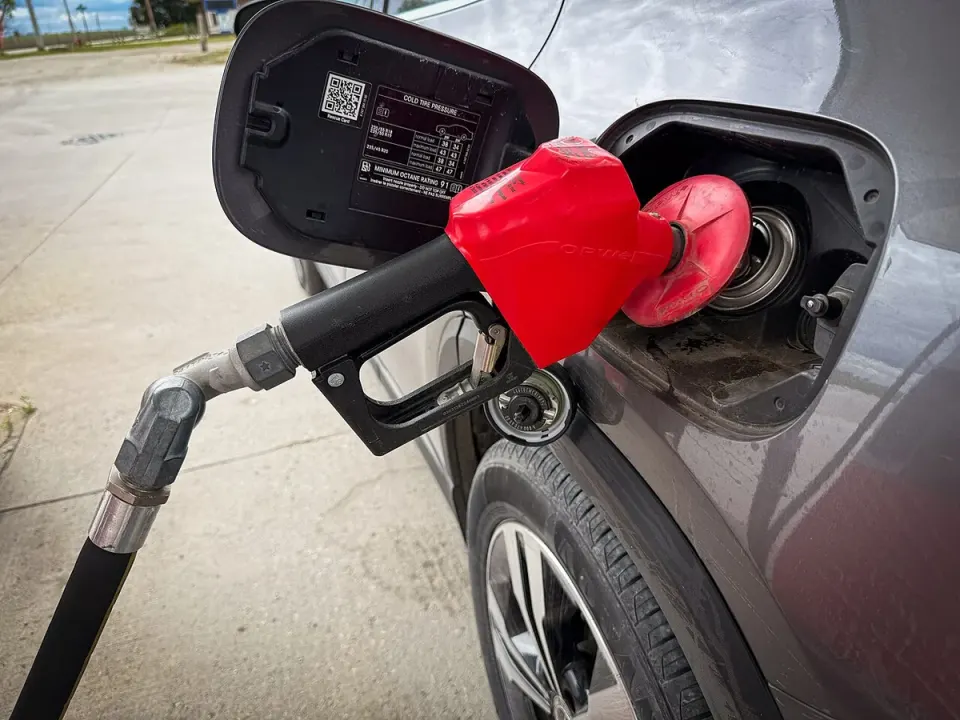
U.S. inflation rose by 0.4% from September to October, a figure slightly above expectations but still indicating a cooling trend in price increases. This moderation was partly driven by a dip in gasoline costs during the month. The Bureau of Labor Statistics released the consumer price index (CPI) data, noting that the usual year-over-year inflation figure was not available due to data collection disruptions in October 2025 during a government shutdown.
While this data provides some relief, the slight uptick above forecasts might keep the Federal Reserve cautious regarding interest rate policy. For global markets, including those indirectly linked to Iran, such inflation data influences the U.S. dollar's strength and overall investor sentiment towards risk assets. A stable or slightly weakening dollar can sometimes translate into higher commodity prices, including gold, though other geopolitical factors also play a significant role.
---
Market Snapshot: Toman Holds Steady Amidst Geopolitical Crosscurrents
In the Iranian market, the U.S. Dollar sell rate stands at 260,100 Toman, with the buy rate at 258,561 Toman. The Euro is trading at 291,700 Toman, and the British Pound at 349,100 Toman. These rates reflect a relative stability in the currency market today, despite the ongoing geopolitical developments and the looming threat of new EU sanctions against Iran.
The Emami gold coin price has seen a slight decrease, currently at 254,000,000 Toman, down 1.9% in the last 24 hours. The Azadi coin is priced at 246,000,000 Toman. Gold per gram (18k) remains unchanged at 25,762,962 Toman. Bitcoin is trading at $73,672 and Ethereum at $2,062.02, while USDT in Toman is at 260,669. The market appears to be absorbing the news, with no drastic fluctuations observed in the immediate aftermath of the diplomatic and geopolitical updates.
Frequently Asked Questions
What was the outcome of the Russia-Ukraine talks in Abu Dhabi?
Why is the EU considering sanctions against Iran?
How do these events potentially affect the Iranian Toman and gold prices?
What was the U.S. inflation rate in October?
Why was the Iranian football team's plane reportedly denied landing in Iraq?
Understanding Economic Sanctions: A Geopolitical Tool
Economic sanctions are punitive measures imposed by one or more countries (or international bodies like the EU) against a target country, entity, or individual. These measures are designed to restrict economic activity, such as trade, finance, and investment, with the aim of compelling a change in behavior without resorting to direct military force. Common forms include trade embargoes, asset freezes, travel bans, and restrictions on financial transactions, often targeting specific sectors like energy or banking. The recent EU sanctions against Iran following alleged cyberattacks, and the extensive sanctions against Russia over the Ukraine war, exemplify their prominent role in modern geopolitics.
The primary goal of economic sanctions is to exert pressure on the target to comply with international norms, cease specific actions (like cyberattacks or military aggression), or dismantle certain programs. For instance, sanctions against Iran have historically aimed to curb its nuclear program and, more recently, to address its regional activities and alleged cyber warfare. While intended to be a non-military means of coercion, their effectiveness is a subject of ongoing debate. Supporters argue they can be a powerful deterrent and a way to hold states accountable, while critics point to their often limited success in achieving policy goals and their potential to harm civilian populations.
The impact of sanctions can be far-reaching, affecting not only the targeted state but also global markets and the imposing entities. For the sanctioned country, consequences often include currency depreciation (like the Iranian Toman), inflation, reduced foreign investment, and a decline in living standards. In response, countries may seek alternative trading partners, develop parallel financial systems, or resort to non-traditional assets like gold to circumvent restrictions. Understanding economic sanctions is crucial for comprehending international relations, as they represent a key instrument in the toolkit of statecraft, shaping geopolitical landscapes and influencing global economic stability.