
Tehran Warns of 'Economic Siege' Consequences as Toman Slides 1.5%; S&P Growth Stocks Defy Global Slump
هشدار مشاور رهبری درباره «محاصره اقتصادی» همزمان با رشد ۱.۵ درصدی دلار؛ پیشتازی سهام رشد محور در بازارهای جهانی
As the Iranian Toman devalues by 1.5% amid warnings of a 'hostile siege' from the Leader’s advisor, global markets are seeing a sharp divide between high-growth S&P stocks and struggling traditional retailers.
At time of publishing
USD
261,800
Toman
Gold 18K
25.76M
Toman / gram
Bitcoin
$73,760
US Dollar
Tether
260,177
Toman
Tehran’s Rhetoric Sharpens Amid 'Economic Siege' Warnings
At 17:00 Tehran time on Wednesday, November 11, 2026, the domestic market is reacting to a series of aggressive statements from high-ranking Iranian officials. Mohammad Mokhber, an advisor and aide to the Leader of the Islamic Revolution, has issued a stern warning to regional and international entities regarding their participation in what he termed the "enemy's hostile siege" on Iran. This rhetoric follows a familiar pattern of defensive posturing, but the timing is critical as it coincides with renewed diplomatic and economic pressures. Mokhber’s comments suggest that Tehran is tracking specific regional cooperation with Western-led sanctions and is signaling that such participation will not go without a response.
Adding to this atmosphere of confrontation, the Defense Ministry spokesperson, Reza Talaei-Nik, stated that Iran’s military capabilities have reached a point where the "enemy" has only two choices: accept Iran’s demands or face defeat on the battlefield. This dual-track approach—economic warnings from the Leader's office and military ultimatums from the Defense Ministry—has historically been used to project strength during periods of internal economic volatility. For the average Iranian citizen, these statements often serve as a precursor to heightened market anxiety, as they signal a move away from diplomatic de-escalation and toward a more isolated economic stance.

The impact on the currency market has been immediate. The US Dollar (USD) sell rate moved from 258,000 to 261,800 Toman over the last 24 hours, representing a 1.5% increase. This jump reflects a weakening of confidence in the Rial as traders weigh the risks of the "economic blockade" mentioned by Mokhber. When the state warns of a siege, the market typically prices in further scarcity and higher inflation. Meanwhile, the Emami gold coin rose from 254,000,000 to 255,000,000 Toman (+0.4%), acting as a traditional hedge for those looking to park capital away from the volatile currency.
Global Markets: The Survival of the Fastest as Retail Giants Falter
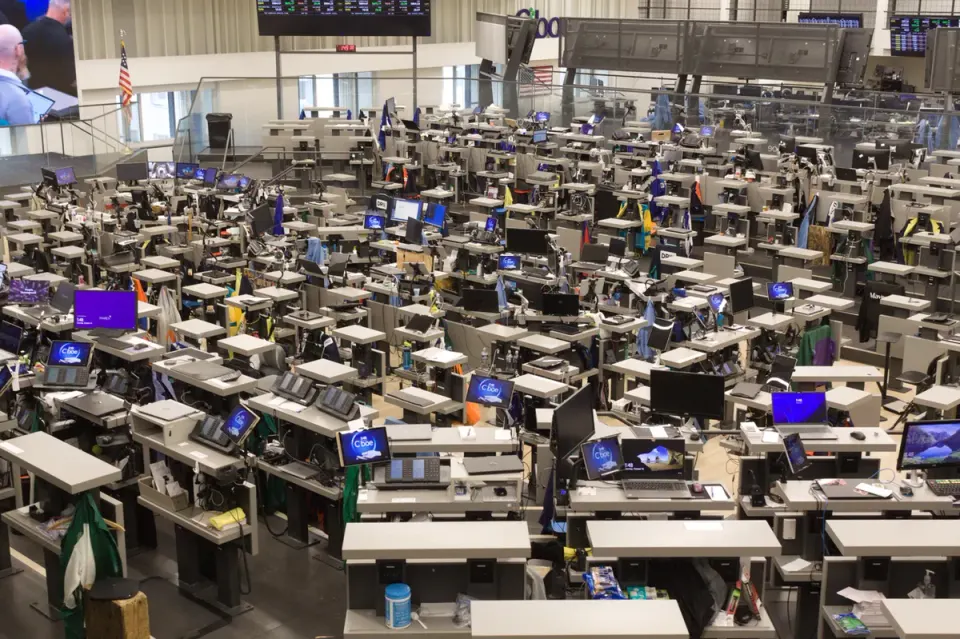
While Tehran focuses on geopolitical survival, the global financial landscape is highlighting a brutal divergence in performance. Recent data from the S&P 500 identifies 22 specific stocks that are currently defying the global slowdown through tremendous sales growth and improved free cash flow. These companies, largely concentrated in tech and high-efficiency services, have managed to expand their profit margins even as interest rates remain a concern. This trend underscores a "flight to quality" where investors are no longer satisfied with mere stability; they are chasing aggressive growth that can outpace global inflationary pressures.
In stark contrast, the bankruptcy filing of Children’s Place serves as a cautionary tale for the traditional economy. The retailer, burdened by $881 million in debt, cited falling birth rates and stiff competition as the primary drivers of its collapse. This highlights a structural shift in the global economy: businesses tied to traditional demographic growth are struggling, while those leveraging AI and digital efficiency are thriving. For global investors, the lesson is clear—debt-heavy companies with low adaptability are increasingly becoming "falling knives," regardless of their historical brand power.
Press Freedom and Identity Politics Under Fire
In the broader regional and international context, the assault on independent voices continues to create geopolitical friction. In Egypt, the retrial of Lina Attalah, editor-in-chief of Mada Masr, has been adjourned amid sharp warnings from the United Nations regarding "assaults on press freedom." Attalah faces imprisonment for "publishing false news," a charge frequently used across the MENA region to silence investigative journalism. This case is being watched closely as a barometer for civil liberties in a region that remains vital to global energy and trade stability.

Meanwhile, in the United Kingdom, identity politics is taking a new turn as Greater Manchester Mayor Andy Burnham signaled support for including "Black English" and "Asian English" options in the census. While seemingly a domestic policy issue, it reflects a broader shift in Western governance toward recognizing fragmented cultural identities to counter what Prime Minister Keir Starmer called "poisonous politics." These social shifts in major economies often influence long-term policy directions regarding immigration and social spending, which ultimately feedback into the currency and labor markets that global observers track.
Frequently Asked Questions
Why did the Toman drop 1.5% today?
Which stocks are defying the global market slump?
Why is Children’s Place filing for bankruptcy?
Understanding Economic Sanctions and Their Impact
Economic sanctions are powerful tools of foreign policy, essentially restrictions imposed by one or more countries (or international bodies) on another state, entity, or individual. Far from being mere diplomatic gestures, they are designed to compel a change in behavior or policy by inflicting economic costs. These measures can range from targeted financial restrictions, such as freezing assets or banning transactions with specific banks, to comprehensive trade embargoes that prohibit nearly all commercial activity with the sanctioned nation. The intent is often to limit a target's access to international markets, finance, and critical goods, thereby pressuring its leadership.
The mechanisms through which sanctions exert pressure are varied. Financial sanctions can isolate a country from the global banking system, making it exceedingly difficult to conduct international trade, receive payments for exports, or secure foreign investment. Trade sanctions, on the other hand, might ban the import of certain goods (like oil or advanced technology) from the sanctioned country, or prohibit the export of essential items to it. These restrictions directly impact a nation's ability to earn foreign currency, which is vital for importing necessities and maintaining a stable exchange rate. When a country cannot easily sell its products abroad or access its foreign reserves, the demand for its local currency on international markets plummets.
The consequences of such an "economic siege," as described in the headline, are often profound and multifaceted. A primary effect is severe currency depreciation, as seen with the Toman's slide. With reduced foreign currency inflows and limited avenues for international transactions, the local currency loses value against major global currencies like the U.S. dollar. This depreciation fuels inflation, making imported goods more expensive and eroding the purchasing power of citizens. Furthermore, sanctions can lead to economic contraction, stifling growth, increasing unemployment, and potentially causing social unrest, as businesses struggle and ordinary people face rising costs and scarcity.
Understanding economic sanctions is crucial for interpreting global news, as they are a frequent feature of international relations. While proponents argue they are a non-military way to enforce international norms and pressure rogue states, critics often highlight their humanitarian impact, arguing that they disproportionately harm ordinary citizens rather than solely targeting the ruling elite. The effectiveness and ethical implications of sanctions remain a subject of ongoing debate among policymakers, economists, and human rights advocates worldwide.
Topics
Related Articles