
Spain Paralyzed by Historic Strike as Toman Slides 1.8% Amid Global AI Sector Rally
اعتصاب میلیونی در اسپانیا و جهش ۱.۸ درصدی دلار در تهران؛ بازارهای جهانی در تسخیر هوش مصنوعی
Millions in Spain have launched the country’s first general strike in 14 years to protest a crippling housing crisis, just weeks before critical elections. Meanwhile, the Iranian Toman has weakened by 1.8% against the USD, even as global AI stocks like Micron surge following positive news from CoreWeave.
At time of publishing
USD
262,600
Toman
Gold 18K
25.76M
Toman / gram
Bitcoin
$73,526
US Dollar
Tether
260,346
Toman
Spain’s Cities Grind to a Halt in Historic Housing Protest
Spain is currently experiencing its most significant social unrest in over a decade as millions of citizens joined the first general strike since 2012. The 24-hour stoppage, which has shuttered factories, disrupted public transport, and seen massive picket lines in Madrid and Barcelona, is primarily driven by a worsening housing crisis. Protesters are demanding immediate government intervention to curb skyrocketing rents and property prices, which have outpaced wage growth for years. The timing of this strike is particularly sensitive, occurring just three weeks before parliamentary elections where the far-right is expected to make significant gains by capitalizing on economic frustration.
The scale of the disruption reflects a deep-seated anger among the Spanish youth and working class who feel locked out of the property market. While the government has attempted minor reforms, the protesters argue these measures are insufficient against the backdrop of institutional neglect. For global investors, the strike signals potential political instability in the Eurozone’s fourth-largest economy. If the unrest continues, it could lead to a shift in fiscal policy or a change in leadership that might alter Spain’s economic trajectory within the European Union.

AI Stocks Surge as Wall Street Finds New Confidence
In the global financial markets, the narrative is being dominated by a resurgence in technology stocks, particularly those linked to artificial intelligence. Shares of Micron and other semiconductor giants surged today after CoreWeave, a major AI infrastructure provider, eased Wall Street’s fears regarding the sustainability of the AI boom. CoreWeave’s commitment to disciplined debt management and improved economics for AI data centers provided a much-needed boost to the sector. This comes even as Nvidia’s valuation hit a 15-year low relative to its growth potential, leading some analysts to label the stock a "bargain" rather than a "falling knife."
This global optimism, however, stands in stark contrast to the domestic situation in Iran. The Iranian Toman has seen a notable decline over the last 24 hours, with the USD/IRR exchange rate moving from 258,000 to 262,600, representing a 1.8% depreciation. While global markets are focused on tech valuations and interest rate paths, the Iranian market remains heavily pressured by regional geopolitical tensions and internal economic mismanagement. The rise in the dollar has also pushed the Emami gold coin up from 254,000,000 to 255,000,000 Toman (+0.4%), as locals seek refuge in hard assets.
Climate Hypocrisy and the Migrant Emergency
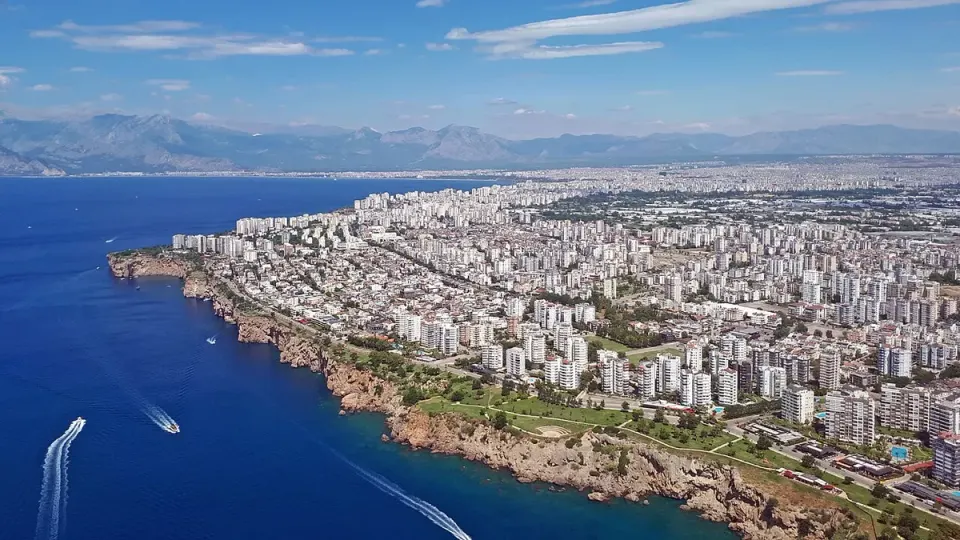
Geopolitical tensions are also flaring at the COP31 climate summit in Antalya, Turkey. Australian Prime Minister Anthony Albanese delivered a historic speech but faced immediate backlash for failing to mention fossil fuels, despite Australia being one of the world's largest coal exporters. This omission has highlighted the growing rift between the rhetoric of climate action and the reality of national economic interests. As world leaders debate carbon targets, the actual impact of global instability is being felt most acutely on the borders of Europe.
Off the coast of Senegal, a tragic shipwreck has claimed dozens of lives, prompting the Canary Islands to declare a migrant emergency. This disaster underscores the desperate lengths individuals will go to reach Europe as economic and environmental conditions in Africa deteriorate. For the Iranian reader, these events serve as a reminder of the interconnectedness of global policy; climate failure, economic migration, and political shifts in Europe all eventually filter down to impact global trade routes and risk sentiment, which ultimately dictates the volatility of the Toman and the price of gold in the Grand Bazaar.
Frequently Asked Questions
Why is the general strike in Spain happening now?
How did the USD/IRR rate change in the last 24 hours?
What caused the surge in AI-related stocks like Micron?
Understanding Economic Divergence in a Globalized World
In today's interconnected yet often fragmented world, it's common to observe vastly different economic realities unfolding simultaneously across the globe. This phenomenon is known as economic divergence, where various countries, regions, or even specific sectors within the global economy experience contrasting fortunes—some flourishing with rapid growth, while others grapple with stagnation, crisis, or decline. The headline's juxtaposition of a general strike in Spain, a sliding currency in Iran, and a booming AI sector perfectly illustrates this complex, multi-speed global economic landscape.
Economic divergence can be driven by a multitude of factors. Technological innovation, like the surge in AI and semiconductor stocks (e.g., Micron), creates new industries and wealth in economies positioned to capitalize on them. Conversely, structural issues such as labor disputes, housing crises, or persistent inflation, as seen in Spain and with the Toman's depreciation, can hinder growth and create social unrest in other regions. Geopolitical events, differing national policies, resource endowments, and varying levels of integration into global supply chains also play significant roles in shaping these divergent paths.
The implications of economic divergence are far-reaching. It contributes to widening income inequality both between and within nations, as some populations benefit disproportionately from global growth while others are left behind. For policymakers, it presents a challenge in coordinating global responses to shared issues like climate change (COP31) or managing migration flows (Senegal migrant shipwreck), as different economies operate from vastly different starting points and priorities. Understanding this divergence is crucial for grasping the complexities of the modern global economy, where prosperity and hardship can coexist in stark contrast.
Topics
Related Articles