US Blue Wave Jolts Global Markets; Brent Crude Hits $93 as Tehran Rejects Washington Overtures
موج آبی در کنگره آمریکا و جهش قیمت نفت؛ دلار در بازار تهران به ۲۶۳ هزار تومان رسید
A Democratic shift in the US Congress offers temporary relief to European allies but leaves Iran strategy in flux, while oil prices surge after Tehran denies any backchannel negotiations with Washington. In the local market, the US dollar rose 2.1% to reach 263,400 Toman as geopolitical uncertainty outweighs regional supply data.
At time of publishing
USD
263,400
Toman
Gold 18K
25.76M
Toman / gram
Bitcoin
$74,186
US Dollar
Tether
261,494
Toman
The Blue Wave and the Global Power Shift
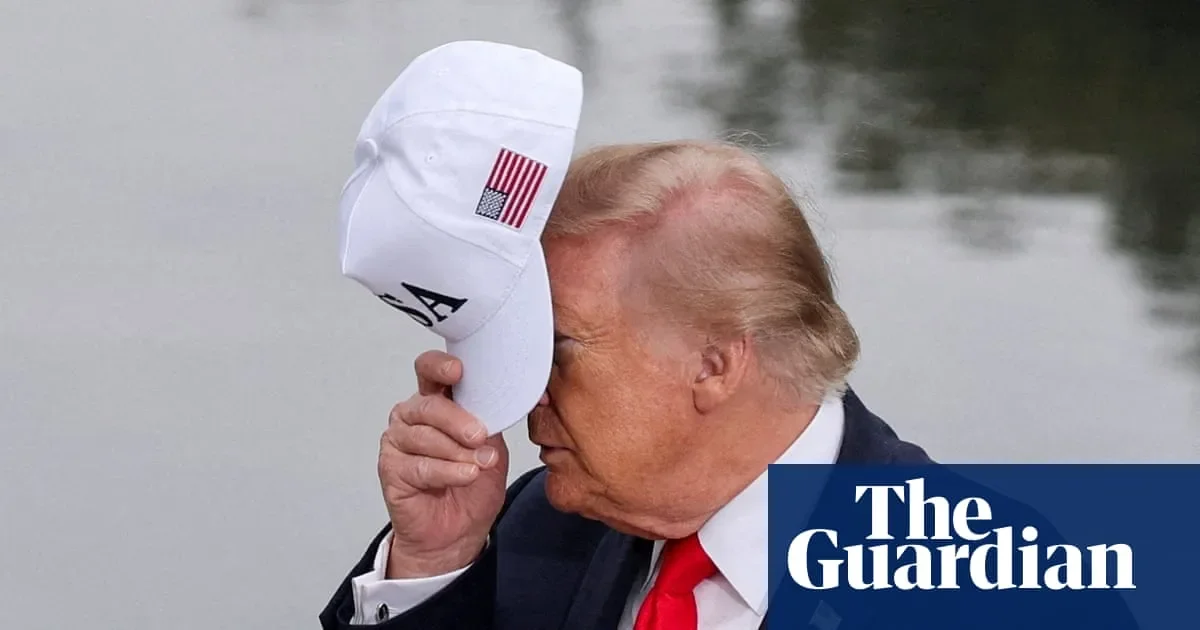
The recent US midterm elections have delivered a Democratic-controlled Congress, a development being hailed in European capitals as a potential firewall against the more isolationist tendencies of the Trump administration. For months, European leaders have braced for a "betrayal" regarding trade tariffs and security commitments, but the shift in legislative power suggests a return to more multilateral diplomacy. However, as analysts note, the relief may be premature; the president still retains significant executive authority over foreign policy, particularly concerning trade wars and the "maximum pressure" campaign against Iran. The Democratic victory in the House and Senate represents a check on unilateral executive actions, but it also guarantees a period of intense domestic political gridlock that could paralyze Washington’s ability to respond to global crises.
For Iranian readers and market participants, this shift represents a double-edged sword. While a Democratic Congress might hinder extreme military escalations or the more erratic threats of the MAGA movement, it does not necessarily signal an immediate lifting of sanctions or a return to the nuclear deal. The expectation of continued legislative friction in Washington often leads to market volatility, as investors struggle to price in the long-term stability of US policy toward the Middle East. In Tehran, this uncertainty has historically translated into a flight toward hard currency, contributing to the 2.1% rise in the USD/IRR exchange rate observed over the last 24 hours, as the market prices in a more complex, albeit less direct, confrontation between Washington and Tehran.
Brent Crude Surges as Tehran Rebuffs Washington
Energy markets reacted sharply today to statements from Mohsen Rezaei, a top Iranian security official, who explicitly denied that any negotiations were taking place with the Washington administration. Brent crude jumped nearly 3% to reach $93.90 per barrel, effectively erasing weeks of bearish sentiment that had been built on the hope of a diplomatic breakthrough. This price action underscores the "geopolitical premium" that remains baked into energy prices, as the market realizes that a near-term resolution to regional tensions is unlikely. The denial came at a critical moment when traders were betting on a de-escalation, leading to a massive short-squeeze that sent heating oil and diesel benchmarks up by over 4%.
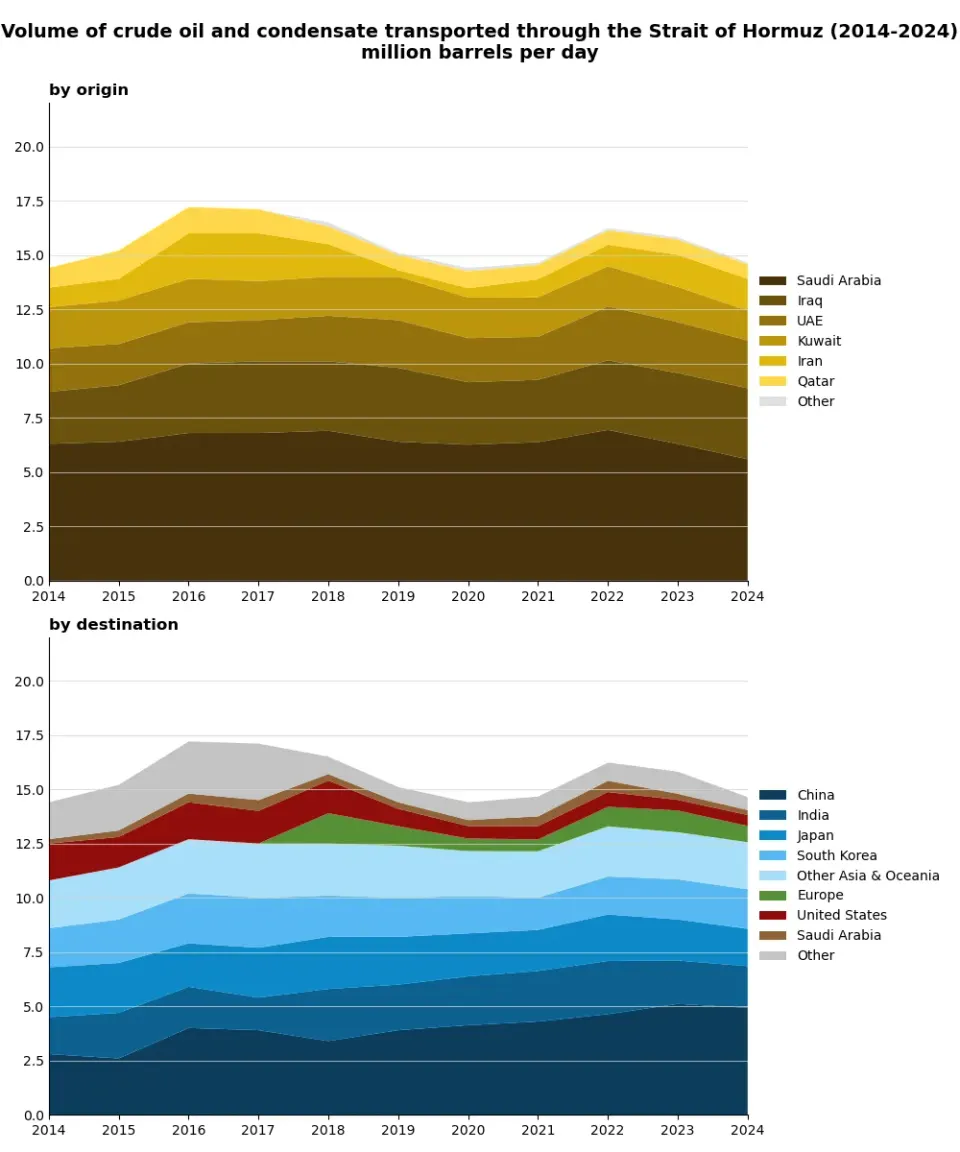
This surge in oil prices occurs despite reports from Saudi Arabia indicating that their production levels have returned to pre-war norms in October. Typically, increased supply from the Kingdom would suppress prices, but the political rhetoric from Tehran has proven to be a more powerful market driver. For the Iranian economy, higher oil prices theoretically provide a larger fiscal cushion, yet the inability to trade freely under the current sanctions regime means these global gains do not always translate into local currency strength. Instead, the perception of renewed hostility often triggers a defensive posture among local traders, further devaluing the Toman even as the underlying commodity price rises.
Internal Strife: From UK Growth Claims to Spanish Strikes
Across the Atlantic and the English Channel, the narrative of economic recovery is being met with significant skepticism. In the United Kingdom, the Chancellor remains publicly confident that the latest budget will stimulate growth, yet the Office for Budget Responsibility (OBR) has failed to find concrete evidence to support these claims. This disconnect between political optimism and institutional data is creating a "credibility gap" that weighs on the British Pound, which is currently selling for 349,800 Toman in the Tehran market. Furthermore, the confusion surrounding social care governance in England, as highlighted by the Casey commission, suggests that structural inertia remains a primary obstacle to the UK's long-term economic health.
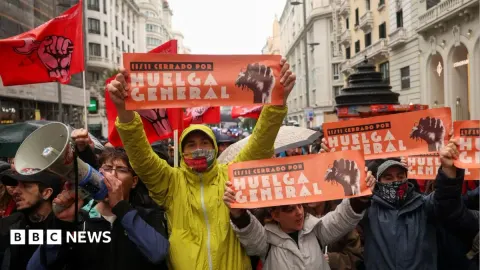
Meanwhile, Spain is witnessing its first general strike in 14 years, as workers across multiple industries walk off the job to protest stagnant wages and skyrocketing rents. This unrest is a microcosm of a broader European trend where the cost-of-living crisis is fueling populist sentiment and civil disobedience. Simultaneously, Argentina has taken its sovereignty claims over the Falkland Islands to an international tribunal, mocking the UK's "colonial" maritime doctrines. For global investors, these multi-front tensions—from labor strikes in Madrid to legal battles in Hamburg—are a signal of increasing global instability. Such friction keeps the risk appetite low, maintaining pressure on emerging market currencies and commodities alike as the world enters a more fractious era of international relations.
Market Reality: Toman Devaluation and Gold's Resilience
In the local market, the US dollar has moved from 258,000 to 263,400 Toman, marking a significant 2.1% depreciation of the Rial in just one day. This move reflects a combination of the aforementioned geopolitical tensions and a seasonal increase in demand for hard currency as the year-end approaches. Despite the volatility in the forex market, gold has shown remarkable resilience; the price of 18k gold per gram remained flat at 25,762,962 Toman, suggesting that local investors are holding their positions rather than engaging in panic selling. The market seems to be in a wait-and-see mode, balancing the rise in global oil prices against the local currency's slide.
The Emami coin saw a modest increase of 0.4%, rising to 255,000,000 Toman, further highlighting the preference for physical assets during times of political uncertainty. In the digital asset space, Bitcoin continues to hover near the $74,000 mark. While tech stocks have seen a "buy the dip" recovery in the US despite rising bond yields, the crypto market remains "ripe for a squeeze" according to options traders. Many are betting on a potential drop below $70,000 before the end of the year if US inflation data remains hot, creating a complex landscape for Iranian investors who use crypto as a hedge against the Toman's devaluation.
Frequently Asked Questions
چرا تکذیب مذاکره توسط ایران باعث گرانی ناگهانی نفت شد؟
آیا کنترل دموکراتها بر کنگره به معنای کاهش تحریمهای ایران است؟
علت پایداری قیمت طلا در برابر جهش دلار در بازار داخلی چیست؟
Geopolitical Risk: How Global Politics Shapes Oil Prices and Currencies
Geopolitical risk stands as a formidable, often unpredictable, force shaping global financial markets. It encompasses the potential for political events – ranging from international conflicts and policy shifts to elections and diplomatic impasses – to create uncertainty and significantly influence economic outcomes. The headline's mention of a "US Blue Wave" and "Tehran Rejects Washington Overtures" directly highlights such risks, suggesting potential shifts in international relations that can ripple through economies.
Nowhere is this more evident than in the global oil markets. Geopolitical tensions in key producing regions, particularly the Middle East, or shifts in the foreign policy of major global powers can directly impact perceptions of oil supply and demand. For instance, changes in US policy towards Iran, whether through tightening or easing sanctions, can alter the flow of Iranian oil to the market. This uncertainty, coupled with potential supply disruptions or heightened demand from strategic reserves, often leads to significant price volatility, as seen with Brent crude hitting $93.
Beyond commodities, geopolitical risk profoundly affects currency exchange rates. A nation's currency reflects its economic stability, trade prospects, and investor confidence, all of which are sensitive to political developments. For a country like Iran, its international relations, the status of sanctions, and its ability to export oil are critical determinants of its economic health and, consequently, the value of its currency (such as the Rial or Toman against the USD). Perceived increases in political instability or the tightening of international restrictions can lead to capital flight and a devaluation of the local currency, while prospects of improved relations might have the opposite effect.
Ultimately, understanding geopolitical risk is crucial for anyone seeking to comprehend global market movements. It underscores the interconnectedness of political events, economic policies, and financial asset prices, demonstrating how a diplomatic statement or an election outcome can send tangible shockwaves across continents, influencing everything from the price of a barrel of oil to the strength of a national currency.