US Heating Crisis Spikes on Iran War Fears as Toman Hits 264,000 and Treasury Chief Relocates
بحران گرمایش در آمریکا تحت سایه جنگ با ایران؛ دلار در تهران به ۲۶۴ هزار تومان جهش کرد
American heating bills are projected to surge up to 70% as the conflict with Iran disrupts global energy markets. Meanwhile, the US Dollar in Tehran has climbed 2.4% to 264,200 Toman as geopolitical tensions reach the doorsteps of the US Treasury.
At time of publishing
USD
264,200
Toman
Gold 18K
25.76M
Toman / gram
Bitcoin
$74,456
US Dollar
Tether
263,983.62
Toman
The Cold Reality: US Energy Bills Surge Amid Iran Conflict
As winter approaches, a staggering report from the National Energy Assistance Directors Association (Neada) has sent shockwaves through the American household economy. Heating bills are projected to rise by an average of 7% nationwide, but for the nearly five million families relying on heating oil, the situation is far more dire, with costs expected to skyrocket by as much as 70%. The report explicitly ties this affordability crisis to the ongoing disruptions stemming from the war with Iran, which has sent global energy markets into a tailspin. This isn't just a domestic US issue; it is a direct reflection of how regional instability in the Middle East translates into cold homes in the Midwest.
For the Iranian reader, this energy spike provides a grim context for the Toman’s recent performance. In the last 24 hours, the USD in Tehran has moved from 258,000 to 264,200 (+2.4%). While US households fear the cost of gas, the Iranian market is pricing in the risk of sustained conflict and the resulting economic isolation. The linkage is clear: as long as the 'war' narrative dominates global headlines, energy volatility will continue to drive the US Dollar higher against the Rial, making imported goods and general inflation even more oppressive for the local population.

Political Firestorms: Trump, Hegseth, and the 'War' Narrative
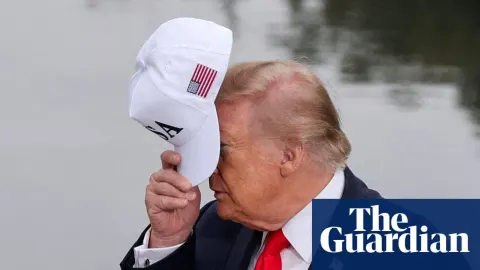
On the political front, the atmosphere in Washington is as volatile as the markets. President Trump used a Veterans Day speech to double down on his defense of Pete Hegseth, following a failed impeachment attempt by House Democrats. The effort to oust the Defense Secretary collapsed by a narrow margin of 211-204 after eleven Democrats missed the crucial vote, reportedly due to traffic jams and scheduling conflicts. Trump’s rhetoric was particularly sharp, claiming the US "did not start the war with Iran," a statement aimed at shifting the blame for the current geopolitical and economic fallout onto Tehran while shrugging off domestic criticism of his administration's escalation tactics.
This domestic political gridlock in the US has profound implications for regional stability. The failure to impeach Hegseth signals that the Trump administration’s current military posture will remain unchanged, likely prolonging the tension that has paralyzed the Strait of Hormuz. When the US leadership is locked in a internal blame-game over who started the conflict, it leaves little room for the diplomatic de-escalation that markets are desperately seeking. Consequently, the "war footing" becomes the new normal, keeping safe-haven assets like the US Dollar and Gold in high demand.
The Hormuz Bottleneck and the Siege of the Treasury
While crude oil exports in the Strait of Hormuz have recovered to approximately 80-85% of pre-war levels, the refined products sector remains in a state of paralysis, stuck at only 35%. This uneven recovery, highlighted by industry experts at FGE NexantECA, shows that while raw energy is moving, the complex logistics of refined fuels are still being choked by the security risks in the Gulf. This bottleneck is a major contributor to the global price spikes mentioned earlier. Furthermore, the conflict has taken a personal turn for US officials; Treasury Secretary Scott Bessent has reportedly been forced to relocate to a military base following credible threats from Iranian sources.
This relocation of a top economic official to a high-security military installation underscores the transition of the conflict from a regional skirmish to what some analysts call a "campaign of retaliation on Western soil." For investors, the fact that the head of the US Treasury is living under military protection is a massive red flag. It suggests that the economic war between Washington and Tehran is no longer just about sanctions and oil tankers, but has evolved into a direct security threat that could disrupt the very institutions that manage global finance. In Tehran, this news has only added fuel to the fire, as Emami coins rose to 255,000,000 Toman (+0.4%), reflecting a flight to safety amid fears of further escalation.
---
The AI Disconnect: OpenAI’s Billions and Oracle’s Rise
Despite the geopolitical gloom, the technology sector continues to operate in a parallel universe of explosive growth. OpenAI has reportedly crossed the $10 billion quarterly revenue milestone for the first time, representing a nearly 50% jump from the previous quarter. This surge in AI spending proves that corporations are still betting big on the future of automation, regardless of the chaos in the Middle East. Similarly, analysts are now urging investors to look at Oracle as a premier "AI play," arguing that the stock is misunderstood and undervalued given its infrastructure role in the generative AI revolution.
This disconnect between the "old economy" (oil, heating, and physical security) and the "new economy" (AI and data) creates a strange landscape for the modern reader. While the Toman devalues and US heating bills rise, the digital world is minting billionaires at a record pace. However, the two worlds eventually collide. The energy required to power OpenAI’s massive server farms is the same energy that is currently being squeezed by the Hormuz bottleneck. If the regional conflict continues to escalate, even the high-flying tech sector may eventually feel the heat of rising electricity costs and supply chain disruptions for critical components.

Frequently Asked Questions
چرا تنش با ایران باعث افزایش قبض گرمایش در آمریکا شده است؟
علت جابجایی وزیر خزانهداری آمریکا به پایگاه نظامی چیست؟
وضعیت صادرات سوخت در تنگه هرمز چگونه است؟
The Strait of Hormuz: Global Energy's Critical Chokepoint
The Strait of Hormuz is arguably the world's most strategically vital oil transit chokepoint, a narrow waterway connecting the Persian Gulf to the Arabian Sea and the broader Indian Ocean. For curious readers, understanding its immense significance is key to grasping how geopolitical tensions, such as "Iran War Fears" mentioned in the headline, can immediately translate into global economic shocks like a "US heating crisis." This seemingly distant waterway is a direct conduit for a substantial portion of the world's energy supply, making any threat to its passage a matter of international concern.
Approximately one-fifth of the world's total petroleum consumption, and about one-third of all seaborne traded oil, passes through the Strait of Hormuz daily. This includes crude oil, petroleum products, and liquefied natural gas (LNG) from major producers like Saudi Arabia, Iran, Iraq, Kuwait, Qatar, and the UAE. Any disruption, whether from military conflict, political instability, or even perceived threats, can drastically reduce supply, leading to sharp spikes in global oil and gas prices. Such price volatility directly impacts consumer costs, from gasoline at the pump to heating bills, as the headline suggests.
The geopolitical importance of the Strait cannot be overstated. Situated between Iran and Oman, its narrowest point is just 21 nautical miles wide, with the shipping lane itself only two miles wide in each direction. Iran has historically threatened to close the Strait in response to international pressure or sanctions, leveraging its strategic position as a deterrent. These threats, even if not fully realized, introduce a significant "geopolitical risk premium" into energy markets, driving up prices as traders factor in potential supply disruptions.
Therefore, when headlines speak of "Iran War Fears" or regional instability, the immediate concern for global energy markets often revolves around the Strait of Hormuz. A potential blockage or conflict in this area would not only affect oil-importing nations like the United States, leading to higher heating costs and economic strain, but would also severely impact the economies of oil-exporting nations and global trade dynamics. Its role as a critical artery for global energy underscores why it remains a constant focal point in international relations and economic forecasts.
Topics
Related Articles