Tehran Braces for 'Economic Siege' as Trump Escalation Fears Drive Toman to 264,000
سایه «محاصره اقتصادی» بر سر تهران؛ جهش دلار به ۲۶۴ هزار تومان در پی هشدارهای ترامپ
The Iranian Rial has plunged 2.4% in 24 hours as senior officials in Tehran warn of a looming 'economic stranglehold' or potential military strikes from the U.S. Meanwhile, Nvidia faces a Congressional ultimatum over alleged espionage, and energy markets brace for new boycotts in the Mediterranean.
At time of publishing
USD
264,200
Toman
Gold 18K
25.76M
Toman / gram
Bitcoin
$74,338
US Dollar
Tether
264,470
Toman
Tehran Signals Alarm Over Trump's 'Maximum Pressure' Redux
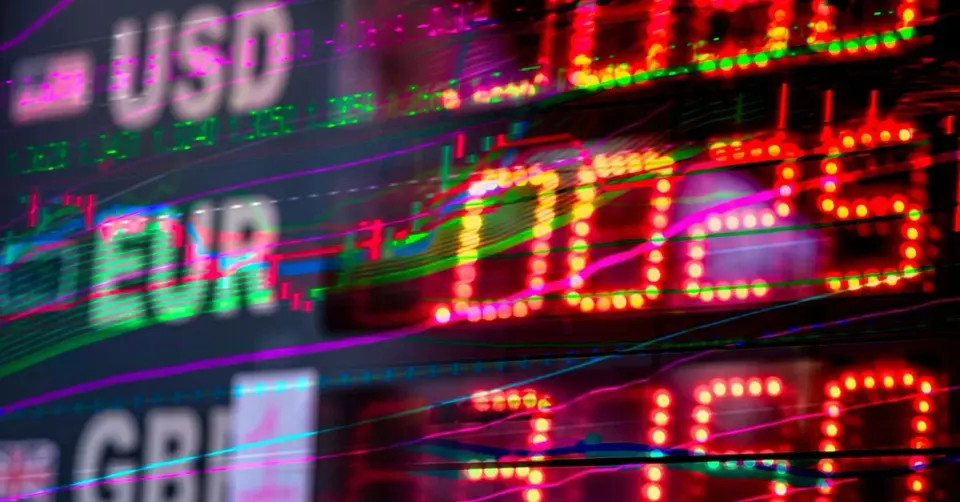
At 23:00 Tehran time, the Iranian markets are reeling from a sharp 2.4% devaluation of the Toman, with the USD moving from 258,000 to 264,200 in just 24 hours. This volatility is not merely speculative; it is a direct reaction to sobering assessments from high-ranking officials. Mehdi Mohammadi, a key adviser to Iran’s chief negotiator and Parliament Speaker Mohammad Bagher Ghalibaf, has publicly stated that Tehran believes the United States is preparing a dual-track escalation. According to Mohammadi, the assessment within the regime is that Washington will either launch targeted military strikes or implement an 'ever-tightening economic stranglehold' designed to force a collapse of the Iranian economy.
This rhetoric marks a significant shift in Tehran's public posture, moving from defiant dismissal to a recognition of imminent risk. Mohammadi suggested that if the current stalemate continues, Iran might be forced into 'pre-emptive strikes' to break the perceived siege. For the average Iranian reader, this translates into immediate financial anxiety. The surge in the dollar and the modest 0.4% rise in the Emami coin (now at 255,000,000 Toman) reflect a flight to safety as the public anticipates a return to the most aggressive days of the 'Maximum Pressure' campaign. The psychological barrier of 260,000 Toman has been shattered, signaling that the market expects further turbulence as geopolitical rhetoric hardens.
Nvidia Faces Congressional Firestorm Over China Ties
In the global technology sector, the world's most valuable chipmaker, Nvidia, is facing a moment of existential political risk. CEO Jensen Huang has been given a strict deadline by House Republicans to provide a closed-door briefing regarding an alleged affair with a Chinese spy. While the personal nature of the allegation is scandalous, the broader implications for the markets are far more severe. Former U.S. ambassadors to Beijing have indicated that regardless of the investigation's outcome, Congress is now moving toward a complete and total ban on advanced semiconductor sales to China. This move would sever one of Nvidia's most lucrative revenue streams and fundamentally fracture the global AI supply chain.
Nvidia has responded by spending record amounts on Washington lobbying, but the political climate has turned decidedly hawkish. The company’s stock, which has been the primary engine of the global AI rally, is now under intense scrutiny from analysts who warn that the firm may have 'flown too close to the sun.' For investors, this represents a potential turning point where geopolitical compliance outweighs technological dominance. If the U.S. successfully implements a total blockade on high-end chips to China, we could see a bifurcation of the tech world, with Western and Chinese AI ecosystems operating in complete isolation from one another, driving up costs and slowing innovation cycles globally.

Energy Markets and the New Mediterranean Boycott
The energy landscape is facing a fresh wave of geopolitical pressure as the Boycott, Divestment, and Sanctions (BDS) movement shifts its focus to Murphy Oil. The Houston-based company recently took over exploration licenses in the Mediterranean's 'Zone G'—an area near the massive Leviathan gas field—replacing Eni and Dana Petroleum. Activists are now calling for a global boycott of Murphy Oil, pressuring the company to abandon its 50-50 partnership with Israel’s Ratio Energies. This campaign highlights the growing risk for Western energy firms operating in contested or politically sensitive waters, where corporate strategy is increasingly dictated by regional conflicts.
What this means for the broader market is a heightened risk premium on Mediterranean energy projects. As activists successfully pressure major European firms to exit these ventures, the entry of American companies like Murphy Oil creates a new friction point in U.S.-Middle East relations. With global energy security already fragile due to the ongoing disruptions in the Strait of Hormuz and the Black Sea, these localized boycotts can have outsized impacts on regional gas pricing and the long-term viability of East Mediterranean energy hubs. For Iran and its neighbors, these shifts in gas diplomacy are closely watched as they alter the balance of power in the regional energy market.
High-Stakes Diplomacy in Abu Dhabi
In a rare glimmer of diplomatic movement, U.S.-brokered talks in Abu Dhabi have resulted in the largest prisoner exchange agreement since the start of the war in Ukraine nearly five years ago. Led by Donald Trump’s envoys Jared Kushner and Steve Witkoff, the negotiations brought together senior Russian and Ukrainian delegations. While the exchange of hundreds of prisoners is a significant humanitarian milestone, the talks conspicuously failed to produce a roadmap for a broader peace. The stalemate highlights the difficulty of moving beyond tactical agreements into a comprehensive settlement that satisfies both Moscow's territorial demands and Kyiv's sovereignty requirements.
For global markets, the Abu Dhabi talks serve as a barometer for the incoming U.S. administration's foreign policy style. The direct involvement of personal envoys rather than career diplomats suggests a return to 'deal-making' diplomacy that prioritizes immediate, visible results over long-term institutional frameworks. While the prisoner swap may temporarily lower the geopolitical temperature, the lack of progress on a ceasefire means that the energy and commodity markets will continue to price in the risk of a protracted conflict. Investors are watching closely to see if this 'Kushner model' can be applied to other flashpoints, including the escalating tensions between Washington and Tehran.
Frequently Asked Questions
Why did the USD/IRR price jump 2.4% in one day?
What is the 'spy affair' involving Nvidia's CEO?
What was achieved in the Abu Dhabi talks between Russia and Ukraine?
The Impact of Economic Sanctions on National Currencies
Economic sanctions are a powerful tool in international relations, often described as an 'economic siege' when severe. Their primary aim is to pressure a target country by restricting its economic activity, trade, and access to the global financial system. The headline's mention of 'Trump Escalation Fears' driving the Iranian Toman's depreciation to 264,000 against the USD directly illustrates how perceived or actual geopolitical tensions and the threat of sanctions can immediately impact a nation's currency.
Sanctions primarily affect a currency through two main channels. First, they severely limit a country's ability to earn foreign currency, especially hard currencies like the US dollar, by restricting key exports such as oil or minerals. This reduces the supply of foreign exchange in the domestic market. Second, sanctions make international banking and trade significantly more difficult and costly, increasing the demand for stable foreign currencies among businesses needing to import goods or individuals seeking to protect their savings from domestic instability. This creates an imbalance between the reduced supply and increased demand for foreign currency.
The direct consequence of this imbalance is a sharp depreciation of the national currency. When a country has less foreign currency coming in and a higher internal demand for it, its domestic currency weakens significantly against major international currencies. This weakening has severe implications: it makes imported goods more expensive, fueling inflation and eroding the purchasing power of citizens. It also creates economic uncertainty, which can lead to capital flight as investors and individuals move their assets abroad or convert them into more stable stores of value like gold or foreign currencies.
For countries like Iran, which have faced extensive international sanctions for decades, the value of the national currency — the Toman (or Rial) — often serves as a direct barometer of geopolitical tensions and the perceived effectiveness of these punitive measures. The 'economic siege' mentioned in the headline encapsulates the severe pressure exerted on the Iranian economy, leading to a volatile and often depreciating currency, and highlighting the profound economic and social costs borne by its population.
Topics
Related Articles