Araghchi Issues Stern Warning to US War Chief as Naval Mines Rock the Strait of Hormuz
هشدار تند عراقچی به وزیر جنگ آمریکا و انفجار مینهای دریایی در تنگه هرمز
Iran's Foreign Minister warns the new US Secretary of War against 'repeating history' while the IRGC reports new tanker explosions in the Persian Gulf. Meanwhile, the Nvidia leadership crisis deepens as corporate allies rally behind Jensen Huang.
At time of publishing
USD
266,700
Toman
Gold 18K
24.35M
Toman / gram
Bitcoin
$64,455
US Dollar
Tether
269,415
Toman
Araghchi Challenges Hegseth Over 'Historical Mistakes'
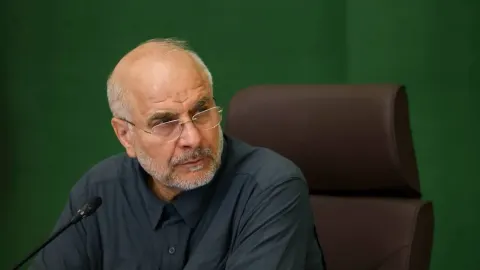
Foreign Minister Abbas Araghchi has delivered a sharp diplomatic message to the incoming US Secretary of War, Pete Hegseth, signaling a period of heightened friction between Tehran and Washington. Araghchi’s warning, which cautioned that those who ignore history are doomed to repeat it, appears to be a direct response to the aggressive posturing of the new US administration. By referring to the position as 'Secretary of War' rather than 'Secretary of Defense,' Tehran is intentionally framing the US military leadership as an inherently offensive and expansionist force, setting a confrontational tone for future engagements.
This rhetorical escalation comes at a time when the Iranian leadership is gauging the potential for a renewed 'maximum pressure' campaign. Araghchi’s comments suggest that Iran is not prepared to make preemptive concessions to the new cabinet, which features several prominent hawks. For the average Iranian observer, this diplomatic standoff is a primary driver of market sentiment; the stability of the Toman, currently holding at 266,700 per USD, remains fragile as traders weigh the risks of a more direct military or economic confrontation in the coming months.

Naval Mines and the Escalation in the Strait of Hormuz
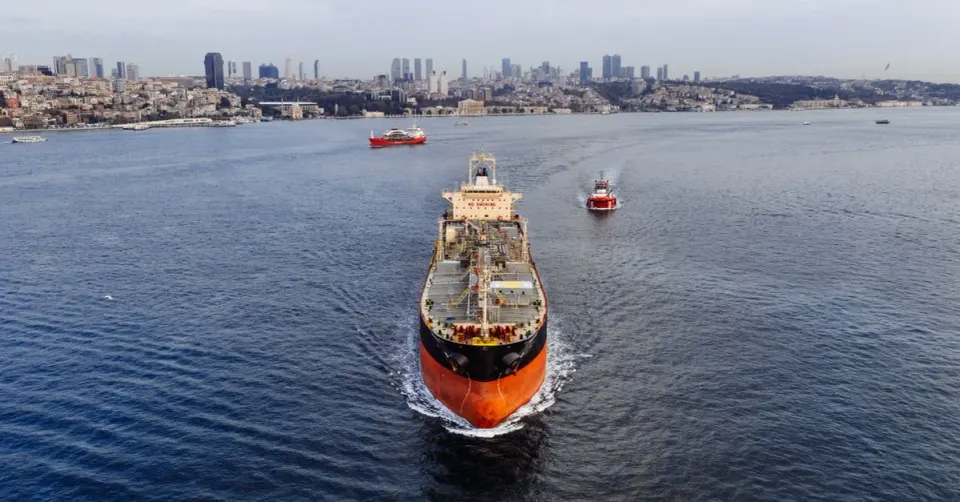
The maritime security situation in the Persian Gulf has taken a dangerous turn as the IRGC Navy reported that two additional oil tankers were struck by naval mines in the Strait of Hormuz. According to official reports, the vessels were attempting to transit through what the IRGC characterized as 'prohibited and unsafe' routes. The resulting explosions and fires have sent a shockwave through the global energy market, though the immediate impact on oil prices has been somewhat mitigated by existing global supply gluts. However, the use of mines introduces a level of unpredictability that could lead to a massive spike in shipping insurance premiums.
This development is particularly significant because it suggests a tightening of Iranian control over the world’s most vital oil chokepoint. By labeling certain lanes as 'unsafe,' the IRGC is effectively enforcing its own navigational rules in international waters. For the Iranian economy, these incidents are a double-edged sword. While they demonstrate regional leverage, they also risk further isolating Iran’s maritime trade and providing a pretext for increased Western naval presence in the region. The gold market has already shown signs of volatility, with 18k gold dropping -0.6% to 24,354,771 Toman per gram as investors react to the sudden shift in regional risk profiles.
The Nvidia Crisis: Megaspeed Defends and Musk Intervenes
In the technology sector, the fallout from Jensen Huang’s resignation from Nvidia continues to dominate global headlines. Megaspeed International, the Singapore-based company at the center of the scandal, has issued a formal statement defending its operations as 'legitimate and lawful.' The firm clarified that Alice Huang, the executive linked to the former Nvidia CEO and accused of ties to Chinese intelligence, had actually left the company in late 2025. This defense is an attempt to de-escalate the narrative that Nvidia’s supply chain was compromised by espionage, a claim that has wiped billions off the company's valuation.
Adding a new layer to the drama, tech titans including Elon Musk and the co-founders of Uber have joined a growing movement of over 158,000 signatories demanding Huang’s reinstatement. They argue that the removal of a visionary leader over personal affairs—even those with geopolitical implications—threatens the stability of the entire AI industry. With Nvidia being a cornerstone of the S&P 500 and many retirement funds, the outcome of Tuesday's earnings call is being treated as a systemic risk event. If Huang is not reinstated or if the investigation reveals deeper flaws, the 'dark forest' of AI competition could turn even more predatory, affecting everything from crypto mining power to global stock indices.

Regional Proxies and Crisis Preparedness
In Iraq, the Iran-aligned group Kataib Hezbollah has vociferously denied involvement in oil smuggling operations, calling recent investigations a 'lie' orchestrated by US pressure. The group claims it is being subjected to 'blackmail' intended to force its disarmament. This denial highlights the complex web of informal economies that sustain regional influence, and any disruption to these networks could have ripple effects on the flow of capital and energy across the Iranian border. The tension in Iraq mirrors the broader regional instability that has prompted even the UK House of Lords to suggest that workers should receive paid time off to train for national crises, including cyber-attacks and power outages.
These seemingly disconnected events—from Iraqi smuggling probes to British civil defense proposals—point to a world increasingly focused on 'resilience' over 'efficiency.' For the Iranian public, this translates to a persistent state of economic emergency where the price of a gram of gold or a single dollar is tied as much to a drone strike in the Gulf as it is to central bank policy. As the 11th week of the Iran Futsal Super League proceeds with Gohar Zamin’s narrow 3-2 victory over Daem Panah, the contrast between daily life and the high-stakes geopolitical game remains as sharp as ever.
Frequently Asked Questions
چرا عراقچی از عنوان «وزیر جنگ» برای پیت هگست استفاده کرد؟
برخورد نفتکشها به مین چه تأثیری بر قیمت دلار در ایران دارد؟
آیا جنسی هوانگ به انویدیا بازمیگردد؟
The Strategic Importance of the Strait of Hormuz
The Strait of Hormuz is a narrow waterway that connects the Persian Gulf with the open ocean, measuring only about 21 nautical miles at its narrowest point. Despite its modest width, it handles roughly one‑fifth of the world’s petroleum consumption, with daily shipments of crude oil and liquefied natural gas passing through its lanes. This concentration of energy flow makes the strait a critical chokepoint; any disruption—whether from geopolitical tension, piracy, or naval mines—can reverberate through global oil markets, driving price spikes and influencing the balance of power among oil‑importing nations.
Because the strait lies between Iran’s southern coast and the Arabian Peninsula, it has long been a focal point of regional rivalry. Iran’s Islamic Revolutionary Guard Corps (IRGC) Navy maintains a fleet of fast‑attack craft, submarines, and, increasingly, asymmetric weapons such as naval mines. By laying mines or threatening to close the passage, Tehran can exert leverage without committing to full‑scale naval combat, a tactic that has been employed during past crises, including the 2019 tanker attacks and the 2020‑2021 tensions over oil sanctions.
For the United States and its allies, ensuring the free flow of commerce through the Hormuz corridor is a cornerstone of security policy. The U.S. Central Command (CENTCOM) routinely conducts freedom‑of‑navigation operations, deploying aircraft carriers and warships to deter Iranian interference. When mines are discovered, as in the recent incidents that prompted Abbas Araghchi’s stern warning to U.S. defense chief Pete Hegseth, the response involves rapid mine‑sweeping, diplomatic pressure, and often heightened military readiness to prevent escalation.
The economic stakes are stark: even a brief shutdown can shave billions of dollars off daily global trade, push oil prices upward, and destabilize currencies tied to oil imports, such as the Iranian rial. Consequently, the strait’s security is not just a regional concern but a global one, influencing everything from fuel prices at the pump to the strategic calculations of major powers.
Topics
Related Articles