Shenzhen Summit: Xi, Trump, and Putin Set Trilateral Talks as Toman Slips to 268,600
نشست تاریخی در شنژن؛ دیدار سهجانبه ترامپ، شی و پوتین همزمان با پیشروی دلار به کانال ۲۶۸ هزار تومان
Beijing confirms a landmark trilateral meeting between the world's top nuclear powers to discuss 'world peace' while the Iranian Toman faces a 0.7% decline against the dollar. Meanwhile, the Fed begins modeling AI's economic impact as market volatility persists.
At time of publishing
USD
268,600
Toman
Gold 18K
24.54M
Toman / gram
Bitcoin
$64,769
US Dollar
Tether
270,498
Toman
The Shenzhen Trilateral: A New Global Order?
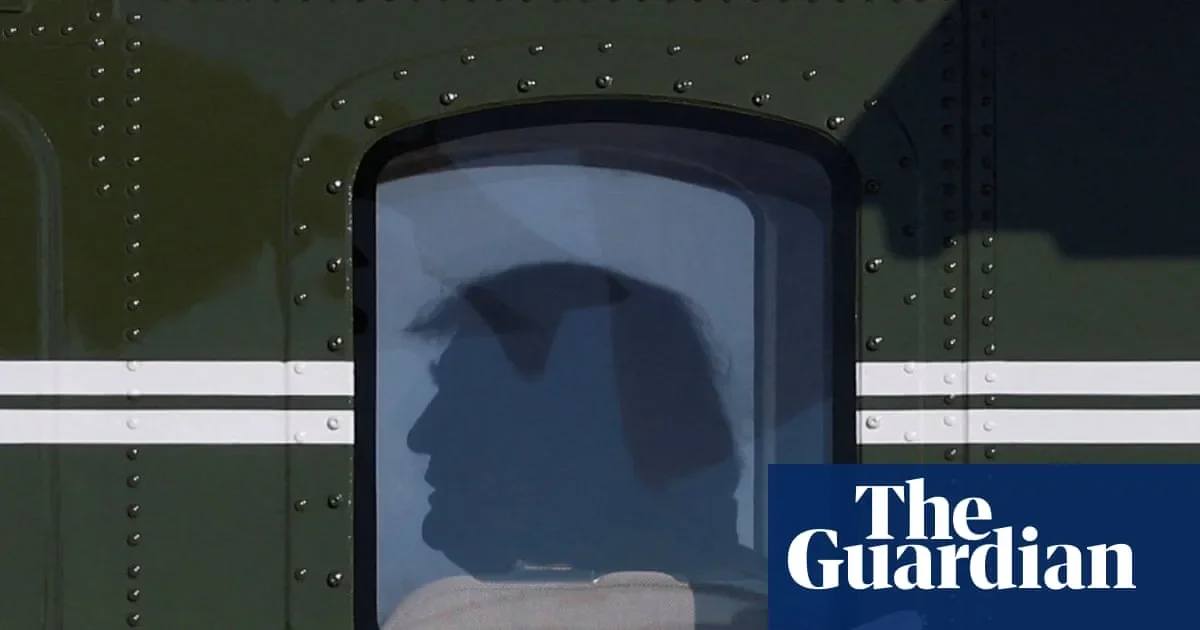
Beijing has officially confirmed that Xi Jinping, Donald Trump, and Vladimir Putin will hold a landmark trilateral meeting in Shenzhen this week. This unprecedented gathering, occurring on the sidelines of the Asia-Pacific Economic Cooperation (APEC) summit, is being framed by the Chinese Foreign Ministry as a critical dialogue on "safeguarding world peace." For the first time, the leaders of the world's three most powerful nuclear states will sit at a single table, a move that cements Xi Jinping's growing status as a global powerbroker capable of mediating between the fractured interests of the West and the East.
The choice of Shenzhen, often dubbed China's "Silicon Valley," is deeply symbolic. It highlights the intersection of geopolitical hegemony and technological supremacy, particularly as the global race for AI dominance becomes a central pillar of national security. While the official agenda remains broad, analysts expect the discussions to tackle denuclearization, trade stability, and perhaps a new framework for regional security. For global markets, this summit represents a high-stakes "wait-and-see" moment; any concrete agreement or even a visible thaw in relations could drastically shift risk appetite and reshape global trade routes for the coming decade.

Regional Diplomacy and the Toman's Pressure
In regional news, Iranian Foreign Minister Abbas Araghchi has concluded his diplomatic mission to Islamabad and departed for Tehran. During his stay, Araghchi participated in the 30th ECO Council of Ministers and held high-level discussions with Pakistani Prime Minister Shehbaz Sharif. The visit was marked by strong rhetoric of solidarity, with Pakistan’s National Assembly Speaker Sardar Ayaz Sadiq describing the bilateral relationship as "unparalleled" and pledging that Islamabad will always stand by Tehran. This diplomatic outreach is a cornerstone of Iran's strategy to bolster economic ties within the Economic Cooperation Organization (ECO) to mitigate the impact of international sanctions.
However, the warmth of diplomatic rhetoric has not yet translated into currency stability. In the Tehran market today, Monday, November 16, 2026, the Iranian Toman faced renewed pressure. The USD sell price moved from 266,700 to 268,600, marking a 0.7% increase in 24 hours. This slip reflects persistent market anxiety over regional security and internal inflationary trends. While the diplomatic success in Pakistan offers a long-term hope for increased trade, the immediate reality for Iranian consumers is a rising cost of imports and a continued search for safe-haven assets like gold and hard currency.

Corporate Bonuses and the AI Economic Shift
In the United States, economic policy is under fire following an investigation by ProPublica. The report reveals that several major corporations, which received significant tariff refunds during the Trump administration, have directed those funds toward corporate bonuses rather than lowering prices for consumers or reinvesting in labor. This discovery challenges the narrative that trade protections and refunds directly benefit the broader economy, suggesting instead that the financial gains are being captured by executive tiers. This comes at a time when US consumers are still grappling with the tail-end of inflationary pressures, making the optics of "tariff-funded bonuses" particularly volatile for the administration.
Simultaneously, the Federal Reserve is turning its full attention to the future of labor and productivity. Fed Chairman Kevin Warsh stated on Monday that the central bank is in the early stages of developing complex scenarios to understand how artificial intelligence will reshape the global economy. As AI nerves continue to rattle markets—contributing to Bitcoin's failure to hold the $65,000 level today—the Fed's ability to accurately price the "AI effect" into interest rate decisions will be the defining challenge of the next two years. For investors, the message is clear: the era of AI-driven economic volatility is just beginning, and traditional metrics may no longer suffice to predict market moves.
Frequently Asked Questions
Why is the Shenzhen trilateral summit significant for global markets?
Why did the Iranian Toman lose value today despite diplomatic successes in Pakistan?
How is AI affecting the Federal Reserve's policy decisions?
Understanding Currency Devaluation: Why the Iranian Toman Slid to 268,600 per USD
Currency devaluation is the deliberate downward adjustment of a nation's official exchange rate, making its currency cheaper relative to foreign currencies. When a government or central bank reduces the value of its money, imports become more expensive while exports become more competitive. The move can be motivated by a need to boost export‑driven growth, to correct an over‑valued exchange rate, or to cope with external pressures such as sanctions that restrict access to foreign exchange.
Iran’s recent plunge of the Toman (the unit used for everyday transactions, equal to ten rials) to around 268,600 per US dollar reflects a combination of sanctions‑induced scarcity of dollars, high inflation, and a loss of confidence in the banking system. Sanctions limit Iran’s ability to earn hard currency from oil exports, forcing the central bank to sell its dwindling foreign‑reserve stock at ever‑lower rates. As the supply of dollars shrinks, the market price of the rial/Toman rises sharply, eroding purchasing power for ordinary Iranians.
The macroeconomic fallout of such a sharp devaluation is profound. Imported goods—especially essential items like medicine, food, and technology—become markedly more expensive, feeding inflationary spirals. At the same time, many Iranians turn to gold as a store of value, driving up domestic gold prices. Moreover, devaluation can raise the cost of external debt repayments, putting additional strain on the government’s fiscal balance.
Policymakers may attempt to cushion the blow through measures such as price controls, subsidies, or by encouraging the use of alternative currencies (e.g., the Chinese yuan) in trade. However, these tools often provide only temporary relief. In the longer run, restoring confidence typically requires structural reforms, diversification of export revenues, and, where possible, the easing of international sanctions.
Understanding how devaluation works helps explain why headlines about the Shenzhen Summit—where leaders like Xi, Trump, and Putin discuss broader geopolitical and economic cooperation—are tied to Iran’s currency woes. Global diplomatic shifts can affect sanction regimes, foreign‑exchange access, and ultimately the stability of the Toman.