
Depardieu Surrenders Legal Battle as EU Unveils Rwanda Deportation Plan and Toman Nears 269,000
تسلیم قضایی دوپاردیو، طرح اخراج پناهجویان به رواندا و صعود دلار به مرز ۲۶۹ هزار تومان
French icon Gérard Depardieu drops his sexual assault appeal as five EU nations announce a major shift toward Rwanda-based migrant hubs. Meanwhile, the Iranian Toman slips further against the dollar amid bullish S&P 500 forecasts.
At time of publishing
USD
268,800
Toman
Gold 18K
24.56M
Toman / gram
Bitcoin
$64,702
US Dollar
Tether
270,100
Toman
The Fall of an Icon: Depardieu Drops Sexual Assault Appeal
In a stunning reversal on Monday, November 16, 2026, French cinematic legend Gérard Depardieu announced he is dropping his appeal against a conviction for sexual assault. The 77-year-old actor, who has long been a polarizing figure in French culture, issued a rare and sincere apology for his past behavior on film sets. Depardieu admitted that for years he had hidden behind a persona of "provocation and ribald humor," failing to realize that his actions as a powerful figure had real and damaging consequences for those around him. This legal surrender effectively ends one of the most high-profile #MeToo cases in Europe, marking a definitive shift in how the industry handles historical allegations against its most protected stars.
The decision to withdraw the appeal came on the very day the trial was set to begin. Legal experts suggest that the apology and the withdrawal of the appeal may be an attempt to mitigate further public scrutiny and potential civil damages. For years, Depardieu had vehemently denied the allegations, but his latest statement acknowledges a lack of awareness regarding the power dynamics he exploited. This development is being viewed as a landmark moment for accountability in France, where the entertainment elite has historically enjoyed a degree of immunity from such scandals.

Fortress Europe: Five Nations Plan Rwanda Migrant Hubs
In a move that signals a hardening of European borders, five EU member states—Germany, Austria, the Netherlands, Denmark, and Greece—have announced plans to establish an offshore "return hub" in Rwanda. This facility is intended for asylum seekers who have exhausted all legal avenues to remain in Europe but cannot be returned to their home countries. The initiative mirrors the controversial UK-Rwanda deal that faced years of legal challenges, yet this new coalition of European powers suggests a growing consensus that third-country processing is the only viable solution to the continent's migration crisis.
While the announcement has been praised by right-leaning politicians as a necessary deterrent, human rights organizations have denounced it as a "grave moral failing." The legal framework for this pilot scheme relies on newly agreed EU return laws, but it is expected to face immediate challenges in both national and European courts. For the Iranian diaspora and those considering migration, this development represents a significant tightening of the net; the prospect of being deported to a third country like Rwanda adds a layer of extreme risk to an already perilous journey toward European residency.

Market Shift: Toman Weakens as S&P 500 Eyes 70% Gains
Domestic markets in Iran are feeling the pressure of both regional uncertainty and global shifts. On Monday, the US Dollar sell rate rose from 266,700 to 268,800 Toman, a 0.8% increase that brings the currency closer to the psychological 270,000 barrier. Gold prices followed suit, with 18k gold rising 0.3% to 24,562,537 Toman per gram. Despite the volatility, the Emami coin remained relatively stable, edging up just 0.2% to 251,500,000 Toman. These movements reflect a persistent inflationary expectation among Iranian investors who continue to seek refuge in hard assets.
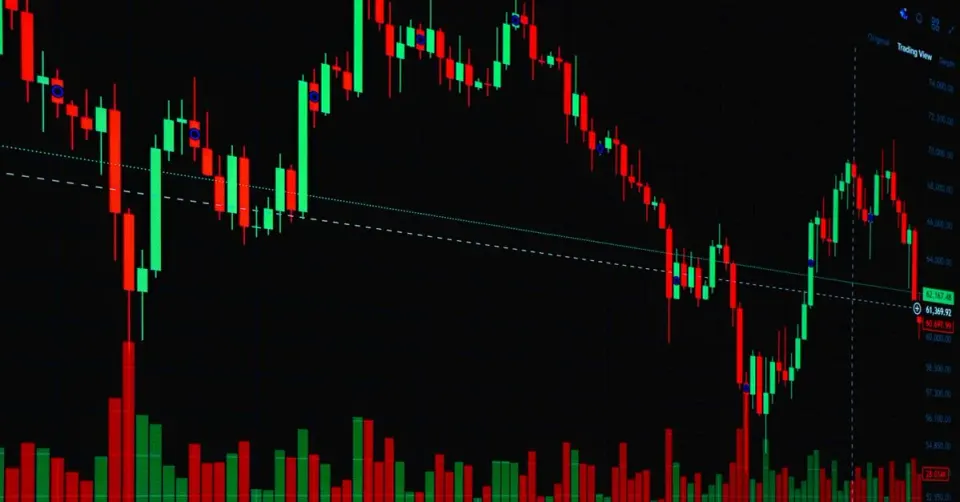
Internationally, market analysts are pointing to a massive upside for specific sectors. A recent consensus report suggests that 13 stocks within the S&P 500, particularly in the semiconductor and AI infrastructure space, could see gains of up to 70% over the next year. This bullish outlook comes despite short-term "AI nerves" that have seen Bitcoin struggle to hold the $65,000 level. For Iranian traders operating in the crypto and global equity markets, the divergence between local currency devaluation and international growth potential creates a complex environment for capital preservation.
Geopolitical Tension: French Presence in Ukraine and Regional Diplomacy
Reports from Radio France Internationale (RFI) have surfaced claiming that French troops have been operating on the ground in Ukraine for several months. While the mission is described as focused on training and maintaining high-tech military equipment, the presence of Western boots on the ground—even in a non-combat capacity—represents a significant escalation in the conflict's internationalization. Analysts suggest that such a deployment would not be a surprise to those in Kyiv, but it adds a layer of tension to the already strained relations between the West and Moscow.
Simultaneously, Iranian Foreign Minister Abbas Araghchi has been active on the diplomatic front, meeting with Pakistan’s Army Chief and Prime Minister in Islamabad. These meetings, held on the sidelines of the ECO summit, focus on regional security and the ongoing instability in neighboring Afghanistan and the maritime routes of the Persian Gulf. While official statements emphasize cooperation, the underlying reality is one of deep concern over the Houthi advances near the Bab el-Mandeb Strait, which continue to threaten the flow of energy and the stability of the global oil market.
Frequently Asked Questions
چرا دلار در بازار تهران دوباره روند صعودی گرفته است؟
طرح اخراج پناهجویان به رواندا چه تأثیری بر ایرانیان دارد؟
آیا پیشبینی رشد ۷۰ درصدی بورس آمریکا واقعبینانه است؟
Understanding Currency Devaluation
Currency devaluation refers to a deliberate downward adjustment of a country's currency value relative to other currencies, or more broadly, a significant loss of its purchasing power in international markets. When a currency like the Iranian Toman devalues against a strong currency like the US Dollar, it means you need substantially more Toman to buy the same amount of Dollars. This shift has profound implications for a nation's economy, affecting everything from everyday prices to international trade and national debt.
Several factors can lead to currency devaluation. High domestic inflation, where prices rise rapidly within a country, erodes the currency's internal purchasing power and makes it less attractive internationally. Large and persistent trade deficits, where a country imports far more than it exports, can also put downward pressure on the currency as demand for foreign currency outstrips demand for the local one. Additionally, political instability, economic uncertainty, and specific monetary policy decisions by a central bank can all contribute to a currency's weakening.
The consequences of devaluation are multifaceted. On one hand, it makes a country's exports cheaper for foreign buyers, potentially boosting export volumes and helping to correct trade imbalances. On the other hand, it makes imports significantly more expensive. This leads to "imported inflation," as the cost of foreign goods, raw materials, and components rises for domestic consumers and businesses. This can severely impact the living standards of citizens, especially in economies heavily reliant on imported goods.
Moreover, currency devaluation increases the burden of servicing foreign-denominated debt. If a government or private entity owes money in US Dollars, a weaker local currency means it takes more local currency to acquire the Dollars needed for repayment. This can strain public finances and even lead to debt crises. For individuals, it erodes savings and purchasing power, particularly for those looking to buy assets or services priced in foreign currencies, highlighting the direct impact of such economic shifts on daily life.