Burnham Declares Brexit a Failure as UK Pivots to EU; China Shuns Blockaded Iranian Crude for Iraqi Oil
برنهم پایان عصر برگزیت را کلید زد؛ چرخش بریتانیا به سمت اروپا و بحران جایگزینی نفت ایران در چین
UK Prime Minister Andy Burnham prepares to signal a historic pivot back toward the European Union, labeling Brexit a failed experiment that has hampered GDP. Meanwhile, global energy flows shift as China's 'teapot' refiners abandon blockaded Iranian oil in favor of Iraqi supplies, and Houthi forces seize critical Red Sea chokepoints.
At time of publishing
USD
266,700
Toman
Gold 18K
24.40M
Toman / gram
Bitcoin
$64,706
US Dollar
Tether
269,415
Toman
The Post-Brexit Era: Burnham Seeks European Reconnection
British Prime Minister Andy Burnham is set to deliver a landmark speech on Monday, November 16, 2026, explicitly stating that Brexit has "not worked" for the United Kingdom. Ahead of a high-stakes summit with European leaders this week, Burnham intends to pivot the nation’s economic strategy toward a new deal with the EU. The Prime Minister’s office suggests that these new agreements could raise the UK’s GDP by 0.4%, a critical boost for a nation that has struggled with stagnation since formally leaving the bloc. This move is framed not as a total reversal of the 2016 referendum, but as a pragmatic adjustment to the "Makerfield test"—delivering tangible improvements to the daily lives of citizens who feel the current deal has left them poorer.
This shift marks a significant departure from the rhetoric of previous administrations. By acknowledging that the UK has "lost more than it gained," Burnham is signaling to global markets that Britain is ready to rejoin the European regulatory orbit in exchange for smoother trade. For investors, this could mean a more stable British Pound (currently selling at 352,350 Toman) and a reduction in the inflationary pressures caused by trade barriers. However, the move faces stiff domestic opposition from those who view any alignment with EU rules as a surrender of sovereignty, setting the stage for a volatile political winter in London.

China’s Energy Pivot: Iraqi Oil Replaces Blockaded Iranian Supplies
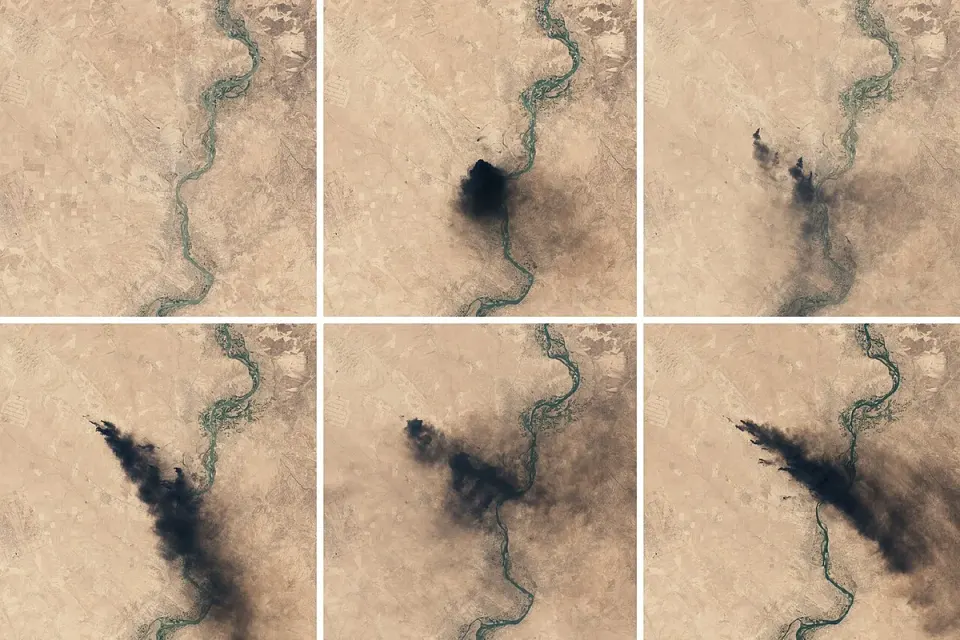
In a major shift for global energy markets, China’s independent refiners, known as "teapots," are reportedly turning to Iraqi crude oil as the U.S. blockade on Iranian ports intensifies. For years, these refiners relied on heavily discounted Iranian and Russian oil to fuel their operations. However, the escalating conflict between the U.S., Israel, and Iran has paralyzed Iranian exports, forcing Chinese buyers to seek more reliable sources through global commodity trading houses. This transition suggests that the logistical and financial risks of handling Iranian oil have finally outweighed the benefits of the discount for many Chinese private firms.
What this means for Tehran is a potentially devastating loss of its primary revenue stream. China has been the "buyer of last resort" for Iranian crude during years of sanctions, but the current blockade, combined with the rising cost of Russian oil, is forcing a reconfiguration of Asian energy dependencies. As Iraqi oil flows into Chinese ports to fill the gap, the Iranian economy faces increased pressure on its currency and budget. This shift is reflected in the relative stability of the USD/IRR rate at 266,700 Toman, as the market weighs the impact of reduced oil revenue against the central bank's intervention efforts.
Red Sea Chokepoint: Houthis Consolidate Control over Bab al-Mandab
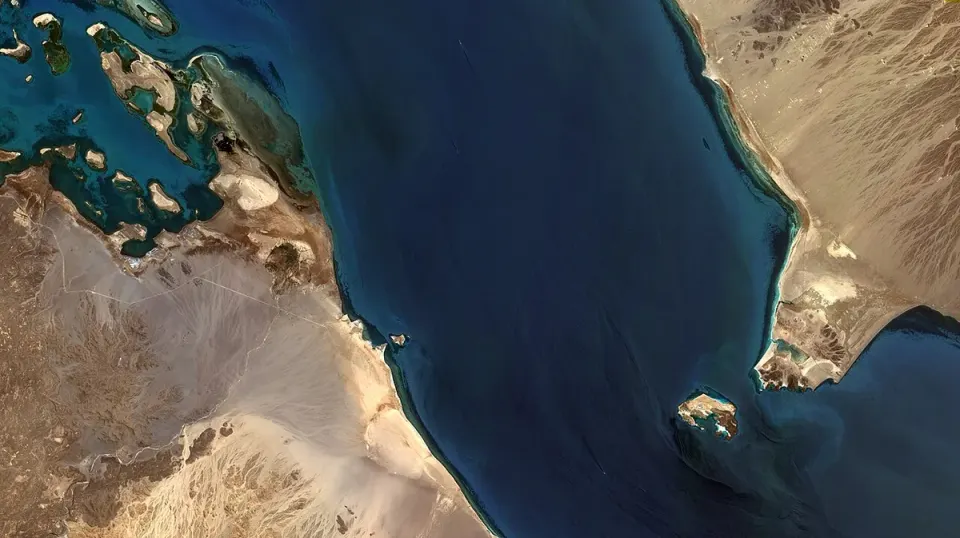
The geopolitical landscape of the Middle East has shifted further into uncertainty as Saudi-backed Yemeni forces retreated from the Bab al-Mandab Strait, leaving the Houthi movement in full control of this vital maritime artery. The retreat, ostensibly to defend the interim capital of Aden, effectively hands the Houthis a strategic lever over global trade. This development comes on the heels of reports that naval mines have disrupted traffic in the Strait of Hormuz, creating a "double chokepoint" crisis that threatens the stability of global energy and cargo shipping.
For the global economy, this control increases the risk premium on every barrel of oil and container of goods passing through the Red Sea. Insurance rates for shipping are expected to climb, which historically correlates with a rise in gold prices as a hedge against systemic risk. In the Iranian market, Gold 18k/gram has seen a slight decline to 24,403,250 Toman (-0.4%), but the consolidation of Houthi power nearby often precedes sudden spikes in volatility. The international community now faces a dilemma: engage in a broader naval confrontation or accept the new reality of Houthi dominance over one of the world's most important waterways.
Market Analysis: Toman Stability Amidst Regional Friction
Despite the turbulent headlines, the Iranian market showed surprising resilience in the last 24 hours. The US Dollar remained unchanged at a sell rate of 266,700 Toman (+0.0%). This stability suggests that the market had already priced in much of the regional tension, or that the central bank is aggressively managing liquidity to prevent a panic. However, the gold and coin sectors saw minor retreats. The Emami coin fell from 251,000,000 to 249,000,000 Toman (-0.8%), and 18k gold dropped 0.4% to 24,403,250 Toman per gram.
In the crypto space, Bitcoin is currently pinned below the $65,000 mark at $64,706, as persistent ETF outflows and a scandal involving Nvidia's leadership dampen investor sentiment. For Iranian savers, the choice between traditional gold, stablecoins (USDT at 269,415 Toman), and the domestic currency is becoming increasingly complex. While the Toman is holding steady today, the long-term outlook remains tied to the success of diplomatic efforts in Europe and the security of oil export routes in the Persian Gulf.
Frequently Asked Questions
Why is Andy Burnham seeking a new deal with the EU now?
Why are Chinese refiners switching from Iranian to Iraqi oil?
What is the significance of the Houthi control over Bab al-Mandab?
Geopolitical Risk and Supply Chain Resilience in Global Oil Markets
The global oil market, a cornerstone of the world economy, is profoundly sensitive to geopolitical risks. Events like international sanctions targeting major producers (e.g., Iran) or military actions disrupting key shipping lanes (e.g., Houthi attacks in the Bab al-Mandab strait) do not just make headlines; they create tangible supply chain disruptions that ripple through economies worldwide. Understanding this interplay is crucial for grasping why oil prices fluctuate and how nations adapt to maintain energy security.
When a country like Iran faces an oil blockade due to sanctions, its crude oil supply is effectively removed or severely restricted from the global market. This reduction in supply, even if other producers try to compensate, often leads to higher prices for consumers. Simultaneously, disruptions in vital maritime chokepoints, such as the Red Sea's Bab al-Mandab strait, force shipping companies to reroute vessels, increasing transit times, fuel costs, and insurance premiums. These added expenses are ultimately passed on, making oil more expensive and contributing to global inflationary pressures.
In response to these challenges, major oil consumers like China employ various strategies to ensure supply chain resilience. They might diversify their sourcing, shifting from sanctioned crude (like Iranian oil) to alternative suppliers (like Iraqi oil). Furthermore, entities like China's "teapot refiners" — independent refiners with less direct government oversight — sometimes play a role in processing discounted, sanctioned crude, albeit with increased risks. These adaptive measures highlight the constant struggle to balance energy security with geopolitical realities, demonstrating how complex global supply chains are engineered to absorb, circumvent, or mitigate disruptions, often at a significant cost.
Topics
Related Articles