Saudi Military Shake-up Amid Houthi Gains as Musk Backs Ousted Nvidia CEO
برکناری فرمانده ائتلاف سعودی در پی پیشروی حوثیها؛ حمایت ایلان ماسک از بازگشت مدیرعامل انویدیا
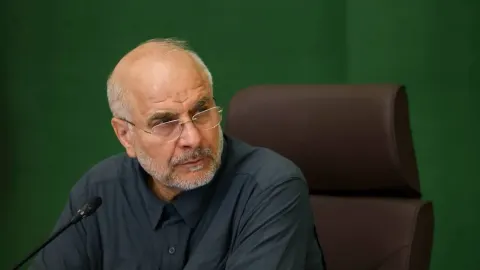
Saudi Arabia has abruptly dismissed its coalition commander in Yemen as Houthi rebels advance on Aden, while Elon Musk joins Donald Trump in a high-profile campaign to reinstate Jensen Huang at Nvidia.
At time of publishing
USD
268,700
Toman
Gold 18K
24.59M
Toman / gram
Bitcoin
$64,174
US Dollar
Tether
269,586
Toman
Saudi Leadership Pivot as Houthi Rebels Close in on Aden
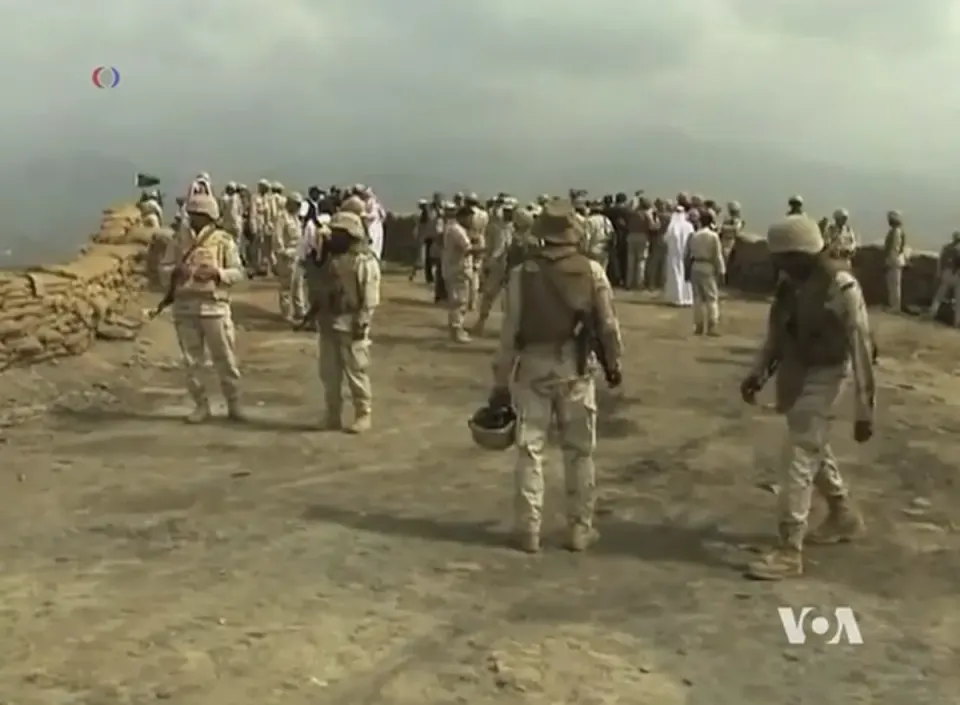
In a move that signals growing desperation within the Saudi-led coalition, Riyadh has officially dismissed the commander of its anti-Houthi forces in Yemen. The announcement, made via state media on Monday, November 16, 2026, comes as Iran-backed Houthi rebels make significant territorial gains along the southern coast, threatening the temporary capital of Aden. The dismissal of such a high-ranking military figure during an active rebel offensive suggests a profound lack of confidence in the current defensive strategy, which has seen Saudi-backed forces retreat to the outskirts of the city.
For the regional balance of power, this development is a critical indicator of shifting momentum. Despite years of air campaigns and financial backing, the coalition is struggling to contain the Houthi advance, which has now reached a point where the stability of southern Yemen is in immediate jeopardy. For Iranian observers, this serves as a validation of Tehran's long-term regional strategy, as its allies continue to demonstrate resilience and offensive capability against a much more well-funded adversary. The instability in the Bab al-Mandab region continues to exert pressure on global shipping and energy prices, keeping the geopolitical risk premium high.
The Battle for Nvidia: Musk and Trump Join the Fray
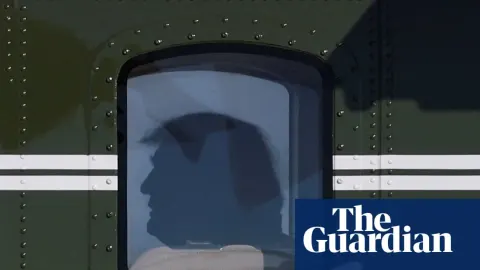
The leadership crisis at Nvidia has taken a surreal turn as two of the world's most influential figures, Elon Musk and Donald Trump, have publicly backed the return of ousted CEO Jensen Huang. The AI chip giant, which has seen its stock price buckle under the weight of internal scandal and a looming AI bubble, is now at the center of a political tug-of-war. Trump stated today that he "wouldn't mind" seeing Huang return, while Musk joined a growing social media campaign labeled "Bring Jensen Back." This intervention by political and tech heavyweights highlights how vital Nvidia has become to the national security and economic interests of the United States.
However, the path back for Huang is complicated by new regulatory hurdles. The U.S. Commerce Department has just announced a restrictive new rule aimed at preventing China from using remote access to bypass export controls on advanced AI chips. This move, while aimed at national security, has further dampened investor sentiment, sending Nvidia shares lower as the company's access to the massive Chinese market becomes even more restricted. The combination of a leadership vacuum and tightening trade wars has left the tech sector in a state of high volatility, with direct implications for global equity markets and the valuation of AI-driven portfolios.

Escalation in the East: Crimea Bridge and the Drone War
The conflict in Ukraine has reached a new, high-intensity phase as Russia reports the largest Ukrainian drone attack since the war began. Over 2,000 drones were reportedly launched across Russian-held territories in a single 24-hour period, with the landmark Crimea Bridge once again being targeted and hit. This massive escalation has forced Kyiv into a state of high alert, with a record 17 air raid sirens sounding in the capital today. The scale of this attack suggests that Ukrainian forces are utilizing new, high-volume production capabilities to overwhelm Russian air defenses, a tactic that marks a significant evolution in modern attrition warfare.
This spike in military activity has immediate consequences for global risk appetite. As the bridge—a vital supply line for Russian forces—takes damage, the likelihood of a severe Russian retaliatory strike increases, keeping energy markets on edge. For the global economy, the continued instability in the Black Sea region ensures that inflation remains a persistent threat, as shipping routes and grain exports remain vulnerable to sudden disruptions. The persistence of the war, now entering a more technologically advanced and destructive phase, serves as a sobering reminder that geopolitical stability remains a distant prospect for 2026.
---
Local Market Pulse: Toman Edges Higher Amid Regional Tension
On this Monday, دوشنبه ۲۵ آبان ۱۴۰۵, the Iranian currency market is reflecting the broader regional and global uncertainty. The USD/IRR exchange rate moved from 266,700 to 268,700, representing a 0.7% increase in the sell price. This upward pressure on the dollar is a direct response to the escalating situation in Yemen and the persistent volatility in the tech sector, which often drives investors toward the safety of hard currency. Gold prices also saw a modest rise, with 18k gold moving from 24,495,590 to 24,587,931 Toman per gram (+0.4%), tracking the slight increase in global spot prices which currently sit at $3,868.52 per ounce.
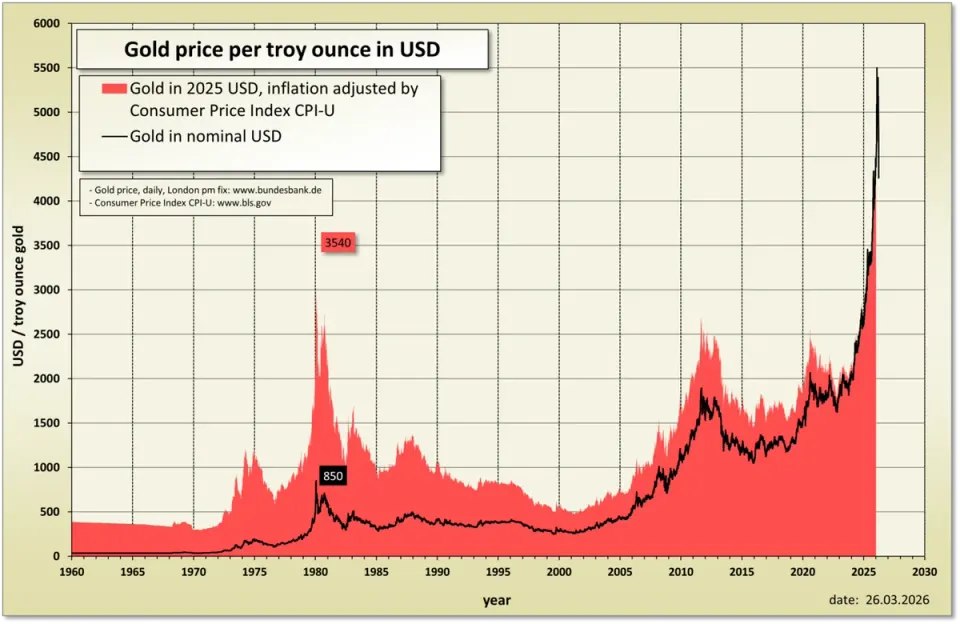
These market movements suggest that the Iranian public and institutional investors are hedging against further regional instability. While the Emami coin showed a smaller gain of 0.2%, rising to 251,500,000 Toman, the overall trend is one of cautious accumulation. As long as the situation in the Strait of Hormuz and the Red Sea remains volatile, and as the U.S. continues to tighten chip restrictions that indirectly affect global trade flows, the Toman is likely to remain under pressure. For the average consumer, these shifts translate into continued inflationary concerns for imported goods and a focus on preserving purchasing power through traditional assets like gold and stablecoins.
Frequently Asked Questions
Why did Saudi Arabia dismiss its coalition commander in Yemen?
What is the new US restriction on AI chips?
How has the Russia-Ukraine war impacted gold prices in Iran?
Understanding Proxy Wars: The Hidden Hand in Global Conflicts
Proxy wars are a defining feature of modern international relations, representing conflicts where major powers indirectly confront each other through third-party actors. Instead of direct military engagement, which carries high political, economic, and human costs, a dominant state or bloc supports and funds local factions, rebel groups, or smaller states to fight on their behalf. This allows the sponsoring powers to advance their strategic interests, gain influence, or destabilize rivals without officially declaring war or risking direct, large-scale confrontation.
The motivations behind engaging in proxy wars are multifaceted. States often seek to avoid the domestic and international backlash associated with direct military intervention, especially after costly wars. By arming, training, and financing proxies, they can project power and achieve geopolitical objectives at a comparatively lower political and economic expenditure. These objectives might include securing resources, preventing the rise of hostile regimes, or challenging the regional hegemony of an adversary.
The ongoing conflict in Yemen stands as a stark contemporary example of a proxy war. Here, the Saudi-led coalition has intervened to support the internationally recognized government against the Houthi movement, which is widely believed to receive significant backing from Iran. The "Saudi military shake-up amid Houthi gains," as mentioned in the news, underscores the strategic challenges and shifting dynamics within such conflicts. The dismissal of commanders often reflects dissatisfaction with the progress or effectiveness of proxy strategies in achieving desired outcomes.
The consequences of proxy wars are often devastating, primarily for the populations caught in the crossfire. They tend to prolong conflicts, exacerbate humanitarian crises, and lead to widespread destruction and displacement. Furthermore, these conflicts can destabilize entire regions, creating power vacuums, fostering extremism, and drawing in other regional and international actors, thereby perpetuating cycles of violence and hindering long-term peace and development.
Topics
Related Articles