Beijing Nuclear Gamble: Trump Meets Xi and Putin as AI IPOs Shatter Records
قمار هستهای در پکن؛ دیدار ترامپ با شی و پوتین همزمان با رکوردشکنی تاریخی هوش مصنوعی
As Donald Trump seeks a landmark nuclear disarmament deal in Beijing, the global financial landscape is torn between a massive $81 billion AI IPO and warning signs from veteran market strategists. Meanwhile, tensions in the Strait of Hormuz keep oil prices buoyant despite fears of a global supply glut.
At time of publishing
USD
266,300
Toman
Gold 18K
24.31M
Toman / gram
Bitcoin
$63,673
US Dollar
Tether
270,260
Toman
The Beijing Summit: A Three-Way Nuclear Tightrope
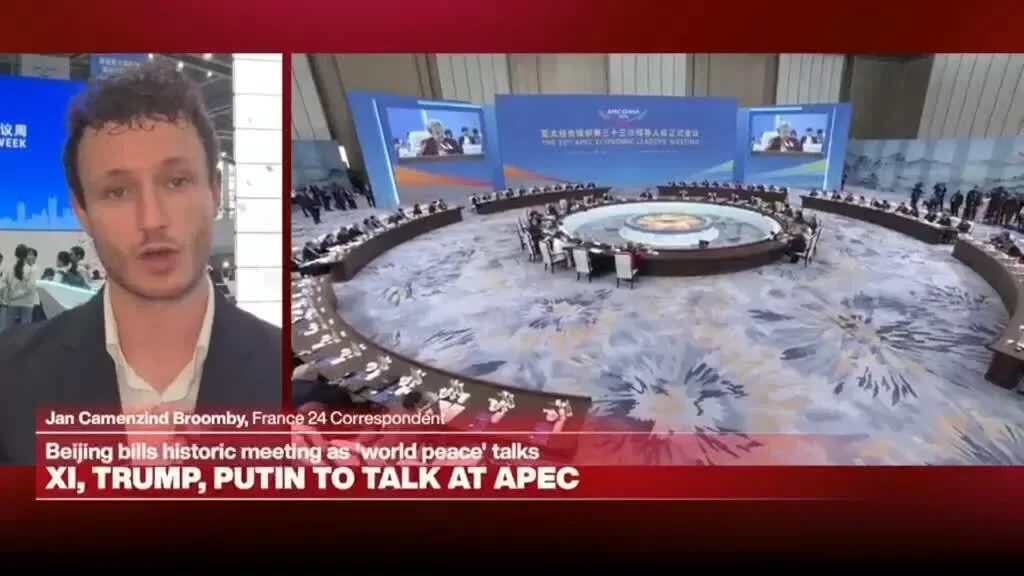
The world’s eyes are fixed on Beijing this Thursday, November 19, 2026, as President Donald Trump, Xi Jinping, and Vladimir Putin convene for a historic three-way summit on the sidelines of the APEC gathering. The primary agenda, according to reports from the ground, is a monumental push by the U.S. administration for significant nuclear arms reductions. Trump is reportedly aiming to bring China into a formal arms control framework, a move that Beijing has historically resisted. However, expectations for a breakthrough remain tempered by the reality of previous encounters; while the optics of the "Big Three" meeting are powerful, substantive policy shifts are often elusive in such high-pressure environments.
Beyond the nuclear rhetoric, the summit serves as a battlefield for the ongoing technological cold war. As the leaders discuss the conflicts in Ukraine and the Middle East, the underlying tension remains centered on Artificial Intelligence and advanced semiconductor manufacturing. The U.S. is pushing for global standards that favor its domestic tech giants, while China views these moves as containment strategies. For Iranian observers, the outcome of these talks is critical; any shift in the U.S.-China dynamic directly impacts the enforcement of sanctions and the geopolitical breathing room available to Tehran in its regional maneuvers.

Market Dissonance: The Guru Exit vs. The AI Gold Rush
A striking contrast is emerging in global markets today. Joachim Klement, a highly respected strategist at Panmure Liberum, has reportedly liquidated his entire stock portfolio, signaling a deep-seated pessimism about the current market cycle. Klement, often viewed as a "canary in the coal mine" for retail and institutional investors, suggests that the current valuation levels are unsustainable. This move comes at a time when the Iranian domestic market shows signs of cooling; the price of 18k gold in Tehran fell from 24,470,197 to 24,313,218 Toman (-0.6%), and the Emami coin dropped 0.4% to 250,000,000 Toman, reflecting a cautious local sentiment despite the USD/IRR remaining flat at 266,300.
However, the tech sector seems to be living in a different reality. Anthropic, the AI powerhouse behind the Claude models, has just priced its record-breaking IPO at $81.3 billion, achieving a staggering $1.5 trillion valuation. This is the largest IPO in history, surpassing even the most optimistic projections and dwarfing giants like SpaceX. The influx of capital into AI suggests that while traditional strategists are fleeing for the exits, venture and public capital are doubling down on the belief that generative AI will drive the next decade of global productivity. This divergence creates a volatile environment for investors who must choose between the warnings of seasoned gurus and the euphoria of a technological revolution.
Regional Friction: IAEA Double Standards and the Hormuz Shield
On the diplomatic front, Tehran is escalating its rhetoric against international oversight. Foreign Ministry spokesperson Esmaeil Baqaei recently criticized IAEA chief Rafael Grossi, accusing the agency of maintaining "double standards" regarding Israel’s nuclear arsenal while placing Iran under intense scrutiny. This diplomatic friction is compounded by statements from the Iranian Embassy in London, which highlighted the plight of children in conflict zones like Gaza, framing the issue as a fundamental human rights violation. These statements indicate a coordinated effort by the Iranian government to pivot the international narrative away from its own nuclear program and toward regional humanitarian crises.
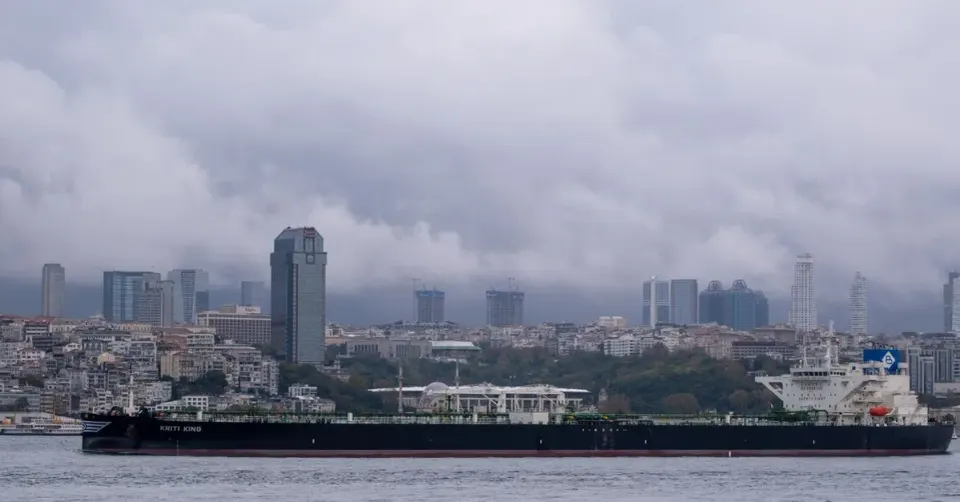
Simultaneously, the Strait of Hormuz remains a central point of global economic anxiety. Crude oil prices have steadied around $92 per barrel as the threat of continued tanker attacks offsets fears of a global supply glut. While some forecasters warn of oversupply in 2027, the immediate tactical risk in the Persian Gulf is keeping a floor under prices. For the average Iranian consumer, this translates to a complex economic reality: while high oil prices theoretically support the national budget, the persistent threat of conflict and the associated shipping risks keep the cost of imports high and the national currency under constant pressure, even during periods of relative price stability like we see today.
Watch
APEC summit: Trump seeks nuclear arms cuts, but few concrete results expected • FRANCE 24 English
FRANCE 24 English
Frequently Asked Questions
Why is the Anthropic IPO significant for the global economy?
How did the Iranian gold market react to the global events today?
What is the primary goal of the Trump-Xi-Putin meeting in Beijing?
Geopolitical Risk: Understanding Global Instability's Market Impact
Geopolitical risk refers to the potential for political instability, conflicts, and international tensions to disrupt global systems and economies. It encompasses a wide array of events, from diplomatic disputes and trade wars to armed conflicts and shifts in alliances among major powers. These risks are inherently complex, often involving multiple state and non-state actors, and can emerge suddenly, making them challenging for businesses, investors, and policymakers to anticipate and mitigate.
The impact of geopolitical risk is far-reaching, affecting everything from commodity prices and supply chains to investor confidence and long-term economic growth. For instance, tensions in critical maritime choke points like the Strait of Hormuz can immediately send oil prices soaring, while concerns over nuclear proliferation or international sanctions can lead to volatility in currency and gold markets. Major power meetings, such as those involving leaders like Trump, Xi, and Putin, are closely watched for any signals that might increase or decrease global instability, directly influencing market sentiment.
In an increasingly interconnected world, geopolitical events in one region can have ripple effects across the globe. Investor decisions, whether in traditional assets or emerging sectors like AI IPOs, are constantly weighed against the backdrop of global stability. A stable geopolitical environment fosters confidence and encourages investment, whereas heightened risk can trigger a flight to safety, diverting capital from growth-oriented ventures. Understanding geopolitical risk is crucial for navigating the complexities of the global economy, as it provides a framework for interpreting how international relations directly shape financial markets and economic prospects.
Topics
Related Articles