Trump Alleges Iran Bioweapon Push as Shenzhen Summit Ends Without Peace Blueprint
ادعای جنجالی ترامپ درباره سلاحهای بیولوژیک ایران؛ پایان اجلاس شنزن بدون نقشه راه صلح
Donald Trump raises the stakes with unverified claims of an Iranian bioweapon program as he departs China, while the IAEA warns of escalating tensions over nuclear safeguards. Meanwhile, global markets see a slight cooling in gold prices as investors digest the vague outcomes of the Shenzhen trilateral summit.
At time of publishing
USD
266,300
Toman
Gold 18K
24.24M
Toman / gram
Bitcoin
$63,715
US Dollar
Tether
270,590
Toman
Trump’s Bioweapon Allegations and the IAEA Standoff
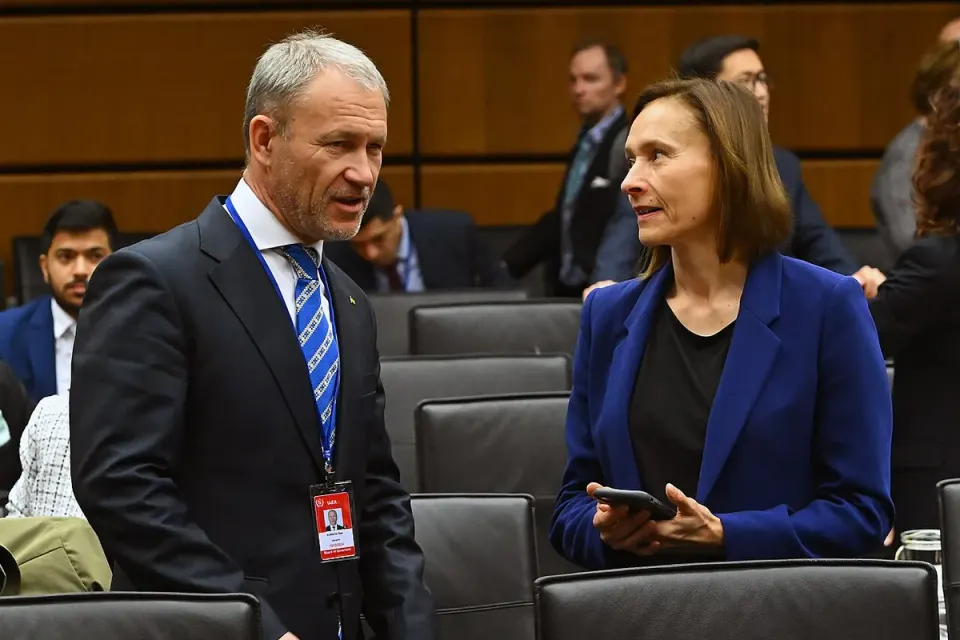
In a move that has sent ripples through geopolitical circles, Donald Trump has publicly alleged that Iran is developing biological weapons, though he provided no immediate evidence to support the claim. This rhetoric marks a significant escalation in the administration's stance, shifting the focus from nuclear enrichment to more unconventional threats. Speaking shortly before his departure from China, Trump suggested that the 'threat profile' of the Islamic Republic has expanded, leading to renewed warnings of potential military consequences if American interests are targeted. This development comes as the International Atomic Energy Agency (IAEA) Board of Governors meets in London, where Iranian officials have already issued a stern warning.
Tehran’s representatives stated that no international obligation justifies sacrificing national security for the sake of nuclear safeguards. They specifically cautioned that nuclear information provided to the IAEA must not be used for acts of aggression against the country. For the average Iranian reader, this escalating war of words is more than just headlines; it directly feeds into the volatility of the currency market. While the USD/IRR remained flat today at 266,300 Toman, the underlying anxiety regarding new sanctions or 'gray zone' conflicts remains a primary driver of long-term economic planning and capital flight.
The Shenzhen Summit: High Optics, Low Substance
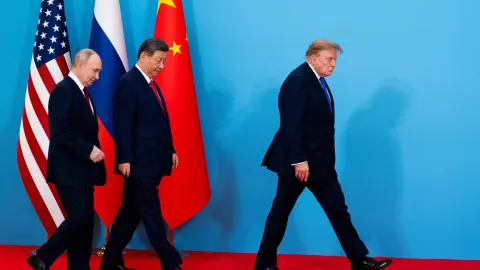
The historic trilateral summit in Shenzhen between Donald Trump, Xi Jinping, and Vladimir Putin has concluded with the leaders departing under a cloud of ambiguity. While the meeting was billed as a potential turning point for the wars in Ukraine and the Middle East, the final 'peace declaration' issued via Chinese state media was notably devoid of specific commitments. The leaders pledged to maintain 'strategic stability,' but failed to mention Ukraine or Europe by name, leaving allies in Berlin to meet separately to discuss air defense and financial support for Kyiv. This lack of a concrete roadmap suggests that while the 'Triple Alliance' is talking, their interests remain fundamentally misaligned on the details of a global settlement.
For Iran, the summit’s vague outcome is a double-edged sword. On one hand, the lack of a grand bargain between the US and Russia might prevent a scenario where Tehran is used as a bargaining chip. On the other hand, the continued isolation of the Iranian economy from major global trade shifts discussed in Shenzhen means that the status quo of sanctions and limited oil revenue is likely to persist. The market's reaction has been one of 'wait and see,' as evidenced by the stagnation in the dollar's price and a slight retreat in speculative assets like gold.
---
Gold Cools and Crypto Consolidation
On the domestic front, the Iranian gold market saw a minor correction today. Gold 18k per gram dropped from 24,470,197 to 24,239,346 Toman, a decrease of 0.9%. Similarly, the Emami coin fell 0.4% to 250,000,000 Toman. This cooling off period follows a week of intense speculation and may represent a temporary exhaustion of buyers at these record-high levels. In the crypto space, Bitcoin has slipped to $63,715 as the market grapples with persistent interest rate jitters and a lack of fresh liquidity. The enthusiasm surrounding the Anthropic IPO, which is expected to shatter records with a $107 billion valuation, has diverted some institutional attention away from digital assets toward high-growth AI stocks.
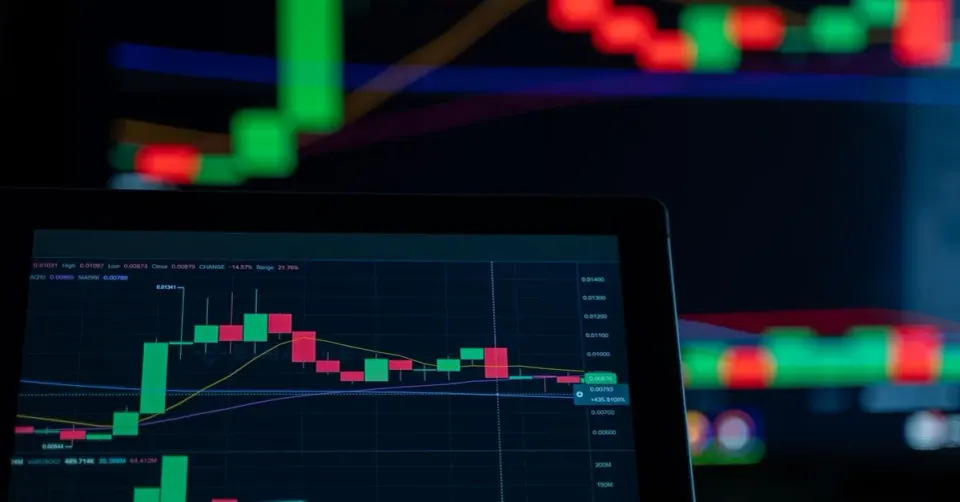
This shift is further emphasized by the news that prominent investing gurus, such as Joachim Klement, have completely exited their personal stock portfolios, signaling a deep-seated caution about the current market cycle. For Iranian investors, the message is clear: while the dollar remains a stable hedge at 266,300 Toman, the volatility in gold and the shifting tides of global AI investments mean that diversification is becoming increasingly complex. The 'safe haven' status of gold is being tested by a combination of high domestic prices and a slightly stronger global dollar environment.
Technological Breakthroughs and Global Justice
While geopolitics dominates the news, a significant billion-dollar deal in the battery market is signaling a shift in the global energy landscape. Panasonic Energy has signed a massive agreement with Sila to supply silicon-carbon anode materials, which promise to make batteries for electric vehicles and electronics smaller, lighter, and more efficient. This deal is a rare piece of positive news for the next-generation battery sector, which has faced numerous failures in recent years. As the world moves toward a post-oil economy, such technological leaps will eventually dictate the wealth of nations, leaving oil-dependent economies like Iran’s in a precarious position if they fail to modernize their industrial base.

Finally, a landmark ruling by the International Court of Justice (ICJ) has found Myanmar culpable for genocide against the Rohingya Muslims, marking the first time a state has been held accountable under the 1948 Genocide Convention. This ruling sets a powerful legal precedent that could have broad implications for international law and state responsibility. It serves as a reminder that despite the 'realpolitik' displayed in summits like Shenzhen, the international legal framework continues to grind forward, occasionally holding sovereign states accountable for atrocities that were previously ignored by the global community.
Frequently Asked Questions
آیا مدرکی برای ادعای ترامپ درباره سلاحهای بیولوژیک ایران وجود دارد؟
چرا قیمت طلا در بازار ایران با وجود تنشهای سیاسی کاهش یافت؟
نتیجه اجلاس شنزن برای جنگ اوکراین چه بود؟
Understanding IAEA Safeguards: How International Inspections Work
International safeguards are the set of technical and legal measures the International Atomic Energy Agency (IAEA) uses to verify that a state’s nuclear material is not diverted to weapons. Under the Nuclear Non‑Proliferation Treaty (NPT), signatory countries commit to peaceful uses of nuclear energy, and the IAEA receives the right to inspect reactors, enrichment plants, and fuel‑cycle facilities. These inspections involve on‑site visits, environmental sampling, satellite monitoring, and a detailed accounting of every kilogram of uranium and plutonium.
The safeguard system is built on two complementary pillars: material accountancy and containment & surveillance. Material accountancy tracks the quantity of nuclear material as it moves through the fuel cycle, while containment & surveillance uses seals, cameras, and tamper‑evident devices to ensure that nothing is removed without detection. If the IAEA finds discrepancies, it can request explanations, issue reports to the United Nations Security Council, and, in extreme cases, trigger sanctions.
Iran’s nuclear program has been a focal point for safeguard activities since the early 2000s. After the 2015 Joint Comprehensive Plan of Action (JCPOA), the IAEA was granted expanded access, allowing it to monitor Iran’s centrifuge cascade, heavy‑water reactor at Arak, and related research sites. Even after the U.S. withdrawal from the JCPOA, the IAEA continues to publish regular reports assessing Iran’s compliance, which are closely watched by policymakers and markets, especially when allegations—such as claims of a bioweapon push—surface.
Understanding how IAEA safeguards operate helps demystify headlines about “secret weapons” and provides a factual baseline for evaluating the credibility of accusations. The agency’s transparent verification regime is a cornerstone of global nuclear security, aiming to assure the world that civilian nuclear programs remain peaceful.
Topics
Related Articles