UK Election Speculation Mounts as Major Powers Sidestep Iran War in Peace Pact
انتخابات بریتانیا در ابهام؛ قدرتهای بزرگ جنگ ایران را در بیانیه صلح نادیده گرفتند
Political uncertainty grips the UK as speculation mounts over the next election and Brexit's future. Meanwhile, a joint peace declaration by the US, China, and Russia conspicuously omits the Ukraine and Iran wars, even as Houthi attacks rattle Riyadh and global powers vow to boost oil supplies due to the 'Iran war.'
At time of publishing
USD
270,800
Toman
Gold 18K
24.20M
Toman / gram
Bitcoin
$62,993
US Dollar
Tether
271,248
Toman
UK Political Landscape and Brexit's Enduring Shadow
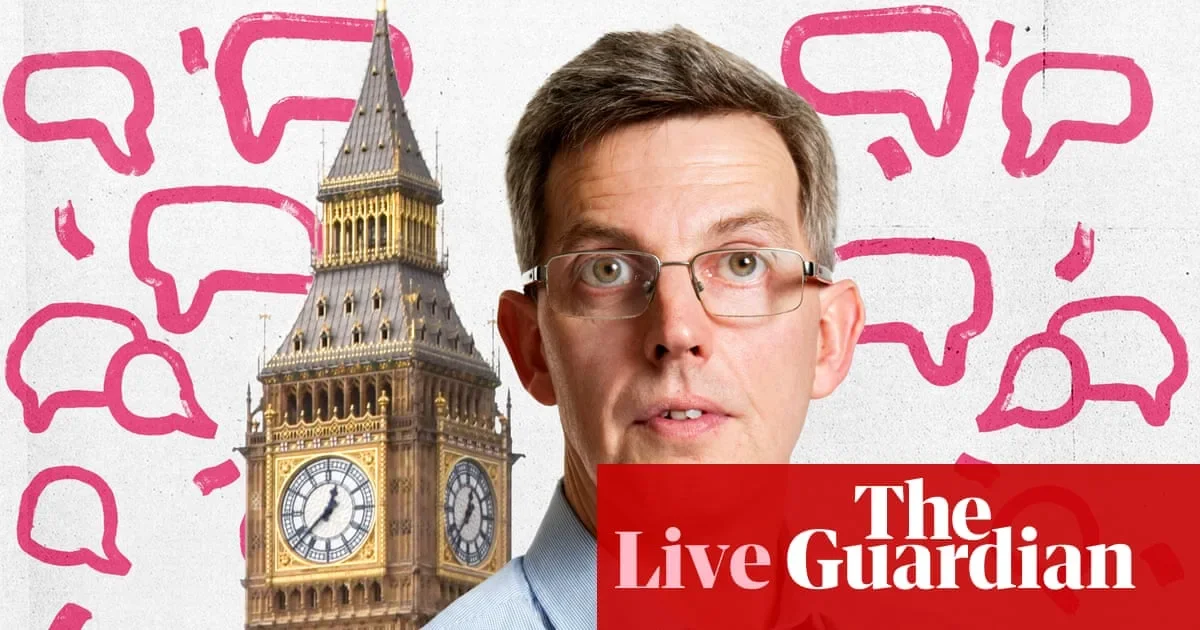
The political climate in the United Kingdom is currently rife with speculation, as attention turns to the timing of the next general election and the long-term ramifications of Brexit. Guardian political blogger Andrew Sparrow recently hosted a live Q&A, fielding questions on when the election might be called, the potential outcomes of ongoing Brexit "reset" discussions, and the continued political relevance of figures like Nigel Farage. This public discourse highlights the pervasive uncertainty within UK politics, which inevitably casts a shadow over both domestic policy and the nation's international standing. The Conservative party's recent selection of James Cleverly as their candidate for London mayor further underlines their strategic preparations for upcoming electoral contests, signaling an intent to challenge Labour's stronghold in key urban areas.
This period of intense political maneuvering is not merely about internal party dynamics; it has tangible economic and geopolitical implications. The precise date of an election can influence investor confidence, policy continuity, and the UK's negotiating position on the global stage. While the immediate focus is on domestic issues, the ongoing "Brexit reset" talks, though not the primary subject of Sparrow's Q&A, remain a critical backdrop, as any significant changes to the UK's relationship with the European Union could reshape trade flows, regulatory frameworks, and economic growth trajectories. Such deep-seated political flux can translate into market volatility, particularly for the British pound, as investors seek clarity on future governmental direction and its impact on the economy.
Major Powers' Peace Declaration Sidesteps Key Conflicts
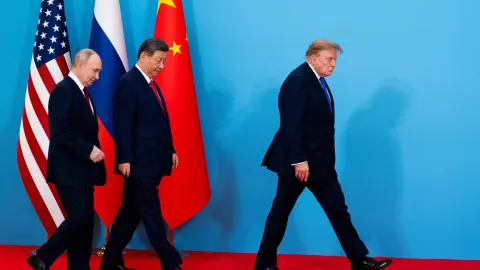
In a notable development from a recent trilateral summit, China, Russia, and the United States issued a joint "peace statement" outlining shared priorities such as UN reform and boosting global oil supplies. Strikingly, this declaration made no explicit mention of the ongoing wars in Ukraine or Iran, despite two of the participating nations being directly involved in or significantly impacting these conflicts. This omission, revealed on Thursday, speaks volumes about the complex and often contradictory nature of international diplomacy, where major powers find common ground on economic stability and global governance while consciously bypassing immediate military confrontations.
The decision to sidestep these critical conflicts in a statement ostensibly focused on "peace" suggests a deliberate strategy to achieve consensus on less contentious issues, or perhaps a tacit acknowledgement that a unified stance on these particular wars remains elusive. For Iran, this means its conflict, while acknowledged as a factor impacting global oil prices, remains outside the direct diplomatic purview of this specific high-level declaration. While the major powers agree on the necessity of increasing oil supplies—a direct response to price spikes linked to the "Iran war," as noted in related reports—they have chosen not to address the conflict itself within this peace framework. This nuanced approach could signal a cautious geopolitical dance, where economic cooperation takes precedence over direct intervention in deeply entrenched military disputes, leaving the resolution of these conflicts to other diplomatic channels or bilateral engagements.
Riyadh Under Attack as Global Powers Vow Oil Supply Boost
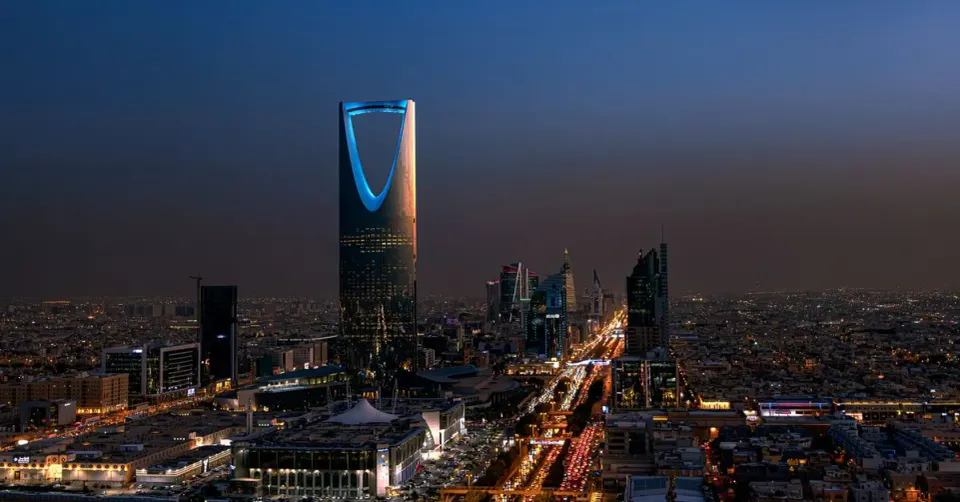
Regional tensions in the Middle East escalated significantly with reports that an aerial attack by Houthi militias damaged a skyscraper in Riyadh, Saudi Arabia, which houses the kingdom's Public Investment Fund. Although Saudi authorities stated no injuries were sustained, the attack on a prominent economic target underscores the persistent and unpredictable nature of the conflict emanating from Yemen, posing a direct threat to Saudi Arabia's critical infrastructure and economic stability. This incident highlights the ongoing fragility of security in the region and the potential for broader destabilization.
Simultaneously, major global powers, including the United States, China, and Russia, have jointly vowed to increase the supply of refined petroleum products. This commitment comes in direct response to spiking oil prices, which these powers explicitly attribute to the "Iran war." This dual development powerfully illustrates the interconnectedness of regional conflicts and global energy markets. The Houthi attack, while geographically distinct from the "Iran war" mentioned by the major powers, contributes to an overarching climate of instability that impacts oil prices and supply chain security. For Iran, the continued characterization of regional energy market volatility as being caused by an "Iran war" by major global players reinforces the international perception of its role in regional security and its indirect influence on global economic stability, even as it seeks to navigate complex geopolitical waters.
CoreWeave Co-Founder Bets Big on Bonds Amid AI Jitters
In an unconventional move that has captured market attention, Brian Venturo, a co-founder of the prominent AI infrastructure company CoreWeave, has reportedly made a $30 million personal wager on the company's "battered bonds." This action deviates from the more common practice of executives purchasing company shares to signal confidence, choosing instead to invest in debt instruments. Venturo's decision to buy bonds suggests a strong belief in CoreWeave's fundamental financial health and its long-term ability to meet its debt obligations, rather than simply banking on stock appreciation.

This significant investment in CoreWeave's bonds is particularly noteworthy given the current climate of "AI jitters" that characterizes parts of the tech market. While the artificial intelligence sector has seen immense growth and valuation surges, there are underlying concerns about profitability, market sustainability, and the true value of some high-flying companies. Venturo's bond purchase serves as a tangible signal to investors that, despite broader market anxieties, an insider has confidence in the company's solvency and its capacity to weather potential downturns. It aims to reassure bondholders and, by extension, the broader market that CoreWeave possesses solid financial foundations, potentially influencing how other tech companies or their executives choose to demonstrate their faith in their ventures amid evolving market dynamics.
Frequently Asked Questions
What is the current political situation in the UK regarding the next general election?
Why is the joint peace declaration by the US, China, and Russia significant?
How does the Houthi attack on Riyadh connect to global oil supplies?
What does CoreWeave co-founder's $30 million bond wager signify?
What were the 24-hour movements for USD, Gold, and Emami coin in Iran?
Understanding the Geopolitical Risk Premium in Oil Prices
The intricate dance between global politics and commodity markets is perhaps nowhere more evident than in the concept of the Geopolitical Risk Premium in oil prices. This premium represents an additional cost factored into the price of oil, not due to immediate supply-demand fundamentals, but because of heightened political instability, conflict, or the credible threat of such events in key oil-producing or transit regions. It's essentially the market's way of pricing in uncertainty and the potential for future supply disruptions, even if those disruptions haven't materialized yet.
When events like potential conflicts involving major oil producers (such as Iran) or attacks on critical infrastructure (like the Houthi attacks mentioned in the keywords) occur, global oil markets become apprehensive. Traders, speculators, and even national strategic reserves react to the perceived increase in risk. This reaction drives up prices as market participants demand a higher return for holding a commodity whose supply could suddenly be curtailed. The premium reflects the collective fear of what might happen, rather than solely what is happening to physical supply.
For instance, the mere threat of a significant conflict in the Middle East, a region vital for a substantial portion of the world's oil supply, can trigger a substantial geopolitical risk premium. This means consumers and businesses end up paying more for fuel and energy, even if the actual flow of oil remains uninterrupted. The premium acts as a buffer, ensuring that in times of crisis, there's an incentive for producers to maintain supply and for consumers to conserve, but it comes at a significant economic cost.
The broader implications of this premium are far-reaching. Higher oil prices, driven by geopolitical risk, can fuel inflation, reduce consumer purchasing power, and increase operational costs for businesses across various sectors. This can slow economic growth, influence central bank monetary policies, and even impact the outcomes of elections, as voters often react strongly to changes in their cost of living. Understanding this dynamic is crucial for deciphering how global events, even seemingly distant ones, can directly affect household budgets and national economies.
Topics
Related Articles