Joanne Young's Bravery Sparks Global Reckoning; UK-EU Reset Faces 'Crunch Time' as Gold Dips in Tehran
شجاعت جوآن یانگ در دادگاه تجاوز؛ مذاکرات سرنوشتساز بریتانیا و اروپا همزمان با ریزش قیمت طلا در ایران
Joanne Young's decision to waive anonymity in a landmark abuse case has galvanized human rights advocates, while UK-EU reset talks reach a critical juncture. Locally, Iranian gold prices have retreated by 2.1% amid shifting global capital flows and a cooling crypto market.
At time of publishing
USD
270,700
Toman
Gold 18K
23.72M
Toman / gram
Bitcoin
$61,914
US Dollar
Tether
272,866
Toman
The Courage of Joanne Young and a Global Shift in Justice
The legal proceedings involving Joanne Young have sent shockwaves through the international community, drawing immediate parallels to the landmark Gisele Pelicot case in France. By waiving her right to anonymity, Young has transformed a private tragedy into a public crusade against the culture of silence surrounding sexual violence. The case, which involves horrific details of drugging and abuse orchestrated by her husband and involving strangers, has been described by presiding judges and women’s rights advocates as a testament to human resilience. Her decision to attend court and face her abusers openly is being hailed as a catalyst for a global movement where the shame of the crime is shifted from the victim to the perpetrator.
This development is more than just a legal milestone; it is a cultural turning point that resonates across borders. For societies grappling with systemic gender-based violence, including those in the Middle East, Young’s bravery highlights the critical need for robust legal protections and the removal of the social stigma that often prevents victims from seeking justice. Advocates argue that the visibility of such high-profile cases empowers other survivors to come forward, potentially leading to long-overdue reforms in how sexual crimes are prosecuted globally. The trial serves as a stark reminder that the fight for human rights and bodily autonomy is a universal struggle that transcends national boundaries.

Tehran Summit: Nature as the Silent Victim of War
In Tehran, the discourse on geopolitical conflict has taken a distinctively ecological turn during a summit marking the International Day for Preventing the Exploitation of the Environment in War. American economist Jeffrey Sachs, addressing the seminar, characterized nature as the "silent victim" of the ongoing US-Israeli military actions against Iranian interests and the broader region. Sachs argued that the destruction of ecosystems and vital infrastructure is not merely collateral damage but a deliberate tool of modern warfare that cripples a nation's long-term environmental and economic viability. This perspective shifts the narrative from immediate military casualties to the generational impact of environmental degradation caused by industrial sabotage and advanced weaponry.
The summit highlights the increasing pressure on the Iranian environment, which is caught between the direct physical impacts of regional conflict and the indirect effects of international sanctions. These sanctions often hinder the country's ability to import green technologies or engage in cross-border conservation efforts. For the average citizen, this environmental toll manifests in worsening air quality, chronic water scarcity, and the degradation of agricultural lands. By framing the environmental crisis as a direct consequence of foreign policy and military maneuvers, the participants aimed to draw international attention to the broader humanitarian costs of the regional "shadow war" that often ignores the long-term habitability of the Middle East.
UK-EU Reset and Economic Surprises Amid Social Unrest
Across the continent, British and European negotiators are locked in high-stakes "down to the wire" talks to reset their post-Brexit relationship. A provisional agreement to allow 100,000 EU citizens to enter the UK annually under a new mobility scheme represents a significant concession from London, aimed at easing chronic labor shortages in key sectors. Simultaneously, the UK economy has shown unexpected resilience; despite the "fallout" from Middle East tensions, government borrowing in October was £17 billion—nearly £1 billion lower than the £18 billion predicted by City economists. This fiscal breathing room provides Chancellor John Healey with a rare moment of optimism as he navigates a volatile global landscape.
However, this diplomatic and economic maneuvering occurs against a backdrop of rising social unrest. Youth protests are planned across 25 European countries this Friday, driven by the soaring cost of living and deteriorating educational conditions. This cross-border solidarity among the younger generation reflects a deep-seated frustration with the status quo, as inflationary pressures—exacerbated by energy costs and regional wars—eat into the purchasing power of families. For global markets, this instability suggests that while high-level trade deals are being negotiated, the underlying social fabric remains under immense pressure, potentially leading to further political volatility and shifts in consumer confidence.
Market Realities: Gold Dips and Crypto Capital Flight
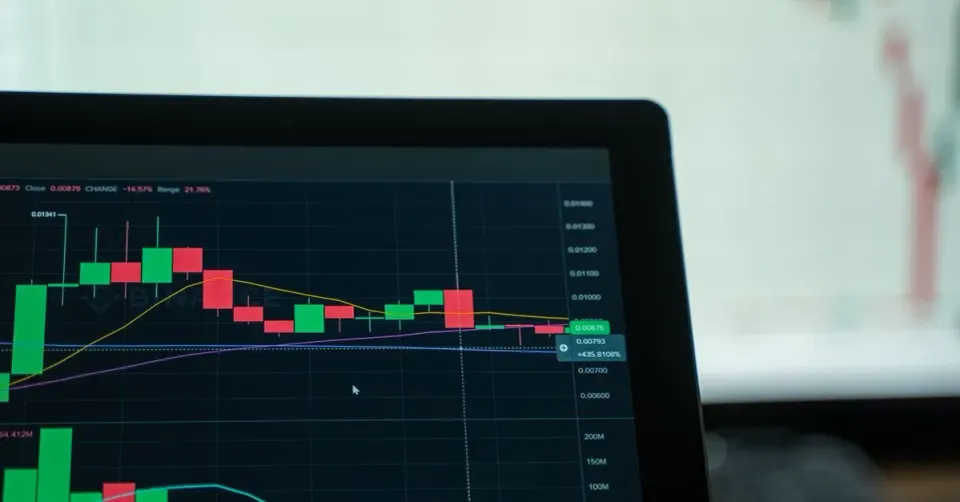
In the local Iranian market, gold has seen a notable correction today, Friday, November 20, 2026 (۲۹ آبان ۱۴۰۵). The price of 18k gold per gram dropped from 24,232,420 Toman to 23,719,931 Toman, a decrease of 2.1%. This move comes as the US Dollar remains stable at 270,700 Toman, suggesting that the local gold price is reacting more to international market fluctuations and a potential cooling of local speculative demand after weeks of intense volatility. Meanwhile, Bitcoin has retreated to the $61,914 level, influenced by record outflows from BlackRock’s IBIT fund, which lost $541 million in a single session following the high-profile market debut of AI rival Anthropic.
The shift in capital from crypto-assets toward the burgeoning AI sector indicates a "re-risking" phase among institutional investors. While Bitcoin remains a primary hedge for many Iranian investors against local currency devaluation, the current volatility emphasizes the interconnectedness of global tech trends and local asset prices. As the "AI bubble" fears persist, the capital flight from traditional crypto ETFs suggests that investors are seeking higher returns in silicon-based ventures, even as geopolitical risks in the Middle East continue to provide a psychological floor for long-term commodity prices. For the individual investor, the current climate demands a cautious approach as the boundary between tech speculation and traditional safe havens continues to blur.
Frequently Asked Questions
Why is the Joanne Young case being compared to Gisele Pelicot?
Why did gold prices drop in Iran today despite a stable dollar?
What is the significance of the UK-EU mobility scheme agreement?
Why did BlackRock's Bitcoin ETF see record outflows?
The Dual Nature of Gold: Global Safe Haven and Local Market Dynamics
Gold has long been revered as a "safe-haven" asset, a reliable store of value that investors flock to during times of economic uncertainty, geopolitical instability, or inflationary pressures. Its intrinsic value, limited supply, historical acceptance as currency, and independence from any single government or financial institution make it a preferred choice when traditional paper assets or currencies appear risky. Globally, events like major political shifts, trade disputes (such as the UK-EU reset talks), or fears of recession often lead to an increase in gold prices as investors seek to protect their wealth.
However, while gold's global appeal is undeniable, its price movements in specific local markets can tell a more nuanced story. Local factors, unique economic conditions, and government policies can significantly influence how gold behaves within a country's borders, sometimes even counteracting global trends. This is particularly evident in economies facing unique challenges, where the interplay of international and domestic forces creates complex market dynamics.
Consider the scenario of "Gold Dips in Tehran." While globally gold might be stable or even rising, a local dip in Iran could stem from several factors. It might reflect a temporary strengthening of the local currency (the Rial) against major foreign currencies, making gold cheaper when priced in Rial. Alternatively, it could be a result of government intervention, such as selling gold reserves to stabilize the currency or inject liquidity into the market. Economic hardship could also lead individuals to liquidate their gold holdings for cash, increasing supply and depressing local prices. Furthermore, the impact of international sanctions on Iran's economy can create unique market distortions, affecting supply, demand, and investor sentiment in ways not seen in global markets.
Understanding these dual dynamics – gold's role as a global safe haven and its responsiveness to specific local conditions – is crucial for anyone seeking to grasp the complexities of international finance and commodity markets. It highlights that while universal principles guide market behavior, localized forces can significantly alter outcomes, offering valuable insights into a country's economic health and policy responses.
Topics
Related Articles