
Nvidia Erases $900B in Historic Rout as Trump Threatens 'Tremendous Tax' on Global Data Centers
سقوط ۹۰۰ میلیارد دلاری انویدیا و اولتیماتوم مالیاتی ترامپ به غولهای فناوری؛ وحشت در بازارهای جهانی
Nvidia faces its worst weekly losing streak since 2008 as the AI bubble shows signs of structural fatigue. Meanwhile, President Trump has threatened massive taxes on tech firms building data centers abroad, creating a pincer movement for Silicon Valley.
At time of publishing
USD
272,900
Toman
Gold 18K
23.36M
Toman / gram
Bitcoin
$58,107
US Dollar
Tether
275,040
Toman
The Ghost of 2008: Nvidia’s $900 Billion Wipeout
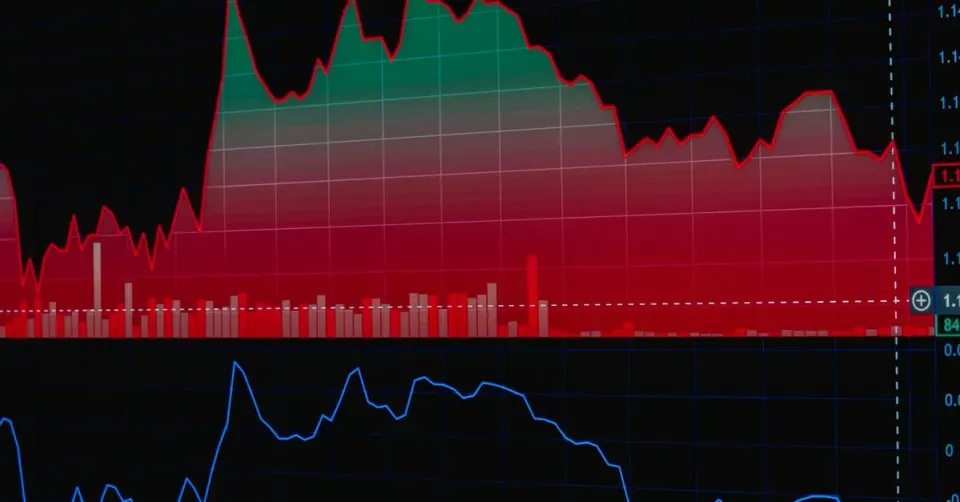
Nvidia, the undisputed poster child of the generative AI revolution, is currently navigating a market storm that hasn't been seen in nearly two decades. The company's stock is on track for a stretch of weekly losses that mirrors the dark days of the 2008 financial crisis. In just seven trading days, over $900 billion in market value has evaporated, leaving investors to wonder if the artificial intelligence boom was, in fact, a speculative bubble that has finally met its needle. Fund managers are increasingly labeling the stock as "vulnerable," noting that the sheer velocity of the decline suggests a deep-seated fear that the massive capital expenditures by tech giants are not yielding the immediate, high-margin returns promised earlier this year.
This rout isn't occurring in a vacuum. As Nvidia slides, it is pulling the broader tech sector down with it. The uncertainty is compounded by the fact that even high-profile investors like Cathie Wood are beginning to pivot, trimming crypto exposure to place bets on private AI firms like Anthropic during its Nasdaq debut. However, the sentiment remains fragile; with Ethereum falling 10% in a synchronized market rout and Bitcoin struggling to maintain its footing near $58,107, the appetite for risk is at a seasonal low. The disconnect between market price and production costs—estimated by JPMorgan at $86,000 for Bitcoin—further highlights the volatility currently gripping the global financial landscape.
Trump’s Data Center Ultimatum: Build in America or Pay
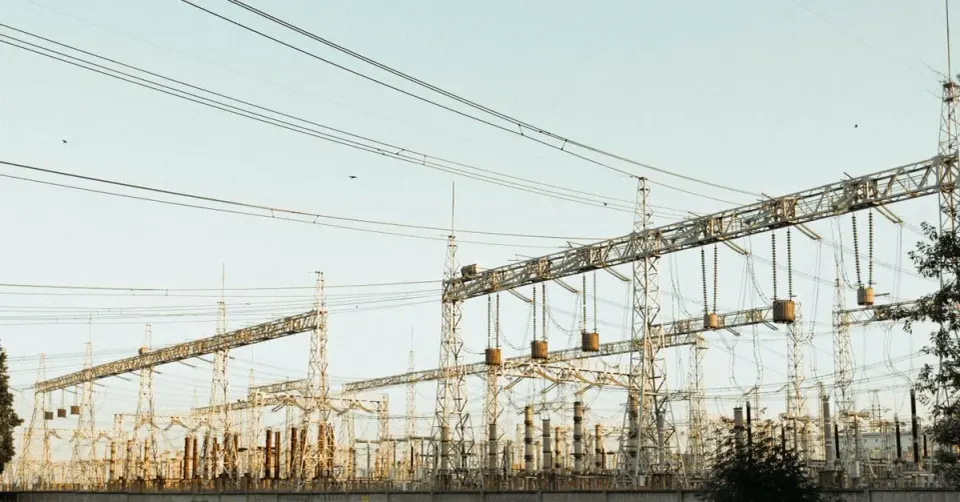
President Donald Trump has introduced a new layer of geopolitical risk for Silicon Valley by threatening a "tremendous tax" on any American company that builds AI data centers outside the United States. This move is designed to force the infrastructure of the future to remain on domestic soil, but it ignores the harsh reality of the American power grid. Currently, big tech companies like Microsoft, Google, and Meta are looking toward international markets not out of a lack of patriotism, but because states like Virginia and Texas are reaching their limits in terms of power generation and cooling capacity. By threatening to tax these offshore expansions, the administration is effectively placing a bottleneck on AI development.
This policy shift comes at a time when Democratic governors in states holding nearly 77% of planned data center capacity are already pushing for these centers to pay their full share of grid costs. The pressure is mounting from both sides of the aisle: the federal government wants to keep the physical hardware within borders for national security and job reasons, while state governments are becoming wary of the immense strain these facilities place on local utilities. If Trump follows through with these tariffs, the cost of scaling AI could skyrocket, potentially forcing a slowdown in the very innovation that the U.S. hopes will give it a competitive edge over China.
The Battle for Financial Oversight and Consumer Safety
In Washington, a group of influential Democratic senators has vowed to resurrect the Consumer Financial Protection Bureau (CFPB) following a damning investigation that revealed the agency has largely abandoned its role as a watchdog. According to recent reports, the CFPB dropped over 20 lawsuits against major banks and corporations accused of financial misconduct under the current administration's direction. The consequences for the average American have been stark: complaints against these specific firms rose by an average of 75% after the legal pressure was removed. This surge in complaints often mirrors the exact issues the original lawsuits were meant to address, ranging from predatory lending to hidden fees.
This political struggle highlights the widening gap between corporate interests and consumer protection in the current economic climate. While the stock market remains volatile, the lack of a strong regulatory hand is being felt most acutely by working-class families. The senators, including the incoming banking chair, argue that the prioritization of wealthy interests over working Americans has created an environment where financial institutions can operate with near-impunity. As the 2026 midterms approach, the effectiveness of the CFPB is likely to become a central theme in the debate over how to manage an economy that many feel is rigged against the individual.

Environmental Alarm: The Army’s Toxic Stockpile Delay
Beyond the halls of finance and politics, a growing environmental crisis is brewing as the U.S. Army continues to delay the destruction of a massive stockpile of toxic lead azide. Lead azide is a highly explosive and neurotoxic primary explosive used in detonators, and the current plan to "blow it up" in open-air detonations has sparked widespread outrage. Scientific modeling suggests that a plume of neurotoxic lead could reach as far as 100 miles from the site, potentially contaminating air and water supplies for hundreds of thousands of people. The delay in addressing this stockpile is being met with questions regarding the military's transparency and its commitment to public safety.
Local communities and environmental advocates are demanding a more sophisticated, contained method of disposal, rather than the primitive open-burn techniques currently proposed. The situation serves as a grim reminder of the legacy of industrial and military waste that continues to threaten public health. As the Army recalibrates its modeling and faces increasing legal pressure, the story has become a focal point for those concerned about the intersection of national defense and environmental responsibility. For the residents within that 100-mile radius, the delay is not just a logistical issue—it is a direct threat to their long-term health and safety.
Frequently Asked Questions
Why is Nvidia's stock falling so sharply now?
What is Trump's plan for AI data centers?
How did the Iranian gold market react today?
What is the environmental concern regarding the US Army?
Understanding the AI Investment Bubble
The rapid rise of artificial‑intelligence (AI) technologies over the past few years has created a classic speculative bubble—a situation where asset prices soar far beyond the fundamentals that justify them. In a bubble, optimism about future profits fuels buying, which pushes prices higher, attracting even more investors in a self‑reinforcing loop. When expectations inevitably clash with reality—such as slower-than‑expected AI adoption or regulatory headwinds—prices can collapse dramatically, as we saw with Nvidia’s $900 billion market‑cap plunge in late 2026.
Nvidia’s meteoric valuation was largely tied to its role as a supplier of GPUs that power large‑scale AI models. Investors priced in the assumption that every new AI startup would need massive compute capacity, inflating demand forecasts for Nvidia’s chips. However, the market later recognized that many AI workloads could run on more cost‑effective hardware, and that competition from rivals like AMD and emerging custom AI accelerators would curb Nvidia’s monopoly. This reassessment caused a sharp correction, illustrating how over‑optimistic growth projections can distort stock prices.
A bubble’s anatomy often includes three stages: displacement, where a new technology captures attention; boom, marked by rapid price escalation and media hype; and euphoria, where valuations become detached from earnings. The AI sector is now entering the euphoria phase, with headlines touting “tremendous tax” on data centers and a frenzy of IPOs such as Anthropic’s. Understanding the bubble framework helps investors spot warning signs—like soaring price‑to‑earnings ratios, heavy reliance on future‑growth narratives, and a surge of speculative capital.
For policymakers, recognizing a bubble is crucial because the fallout can ripple through the broader economy. The collapse of an AI‑centric bubble could affect not only tech stocks but also related industries such as data‑center construction, cloud services, and even commodity markets like gold, which often act as a safe‑haven during market stress. By monitoring valuation metrics and maintaining robust financial oversight—exemplified by agencies like the CFPB—regulators can mitigate systemic risks before they erupt.
Ultimately, the AI bubble teaches a timeless lesson: innovation is valuable, but it must be grounded in realistic business models and sustainable demand. Investors who differentiate between genuine technological breakthroughs and hype‑driven speculation are better positioned to navigate the volatile terrain of emerging tech markets.
Topics
Related Articles