Global Powers Vow Oil Surge at APEC as Bitcoin Slumps Below $60k and Toman Edges Up
توافق قدرتهای بزرگ برای افزایش عرضه نفت در اپک؛ سقوط بیتکوین به زیر ۶۰ هزار دلار و صعود آرام دلار در تهران
The U.S., China, and Russia have reached a rare trilateral agreement at the APEC summit to boost oil supplies amid regional energy spikes. Meanwhile, a global tech rout has pushed Bitcoin below $60,000, and the Iranian Toman faces renewed pressure as the dollar rises to 272,900.
At time of publishing
USD
272,900
Toman
Gold 18K
23.36M
Toman / gram
Bitcoin
$59,110
US Dollar
Tether
275,066
Toman
Trilateral Oil Agreement Shakes Global Energy Markets
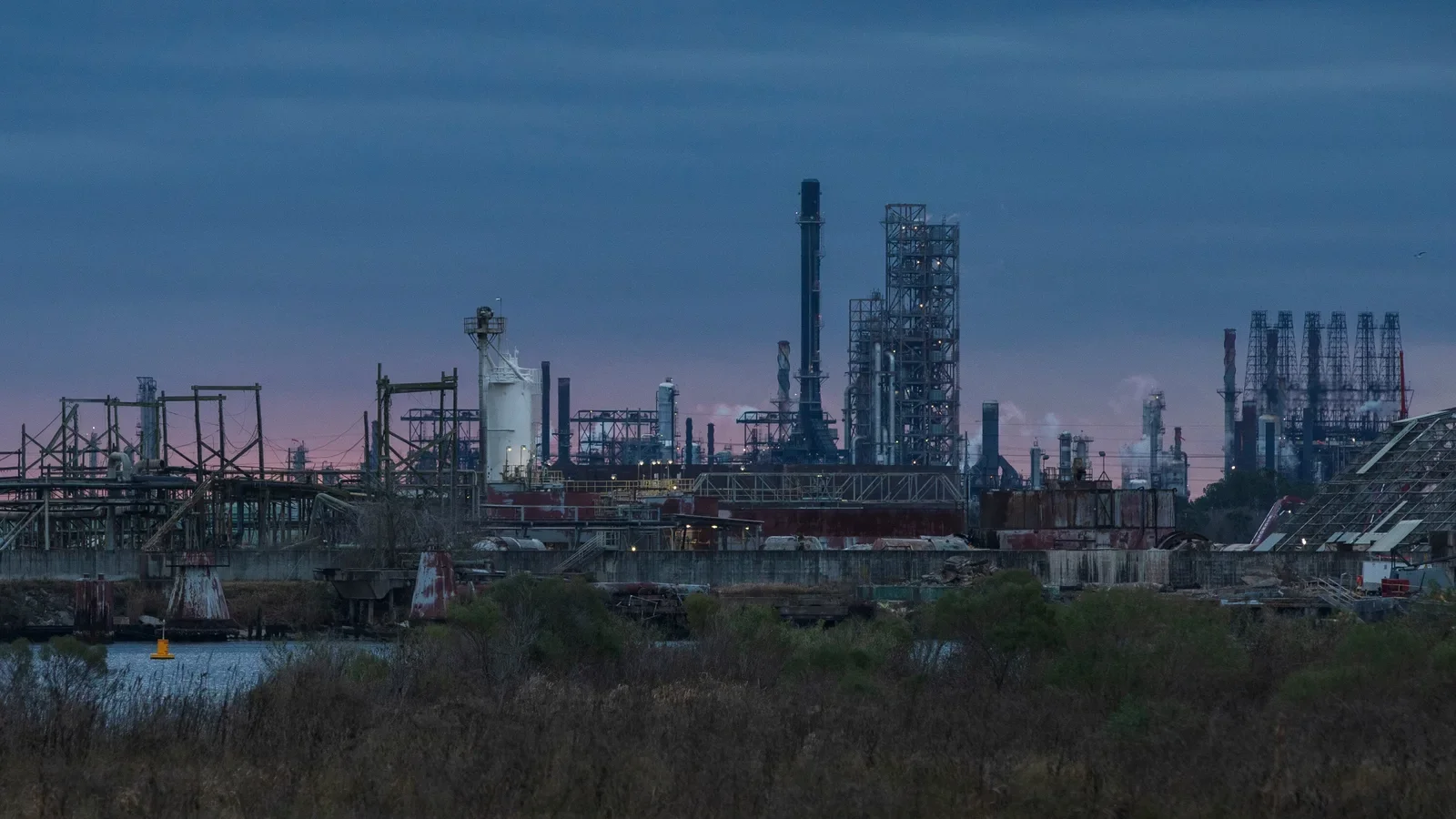
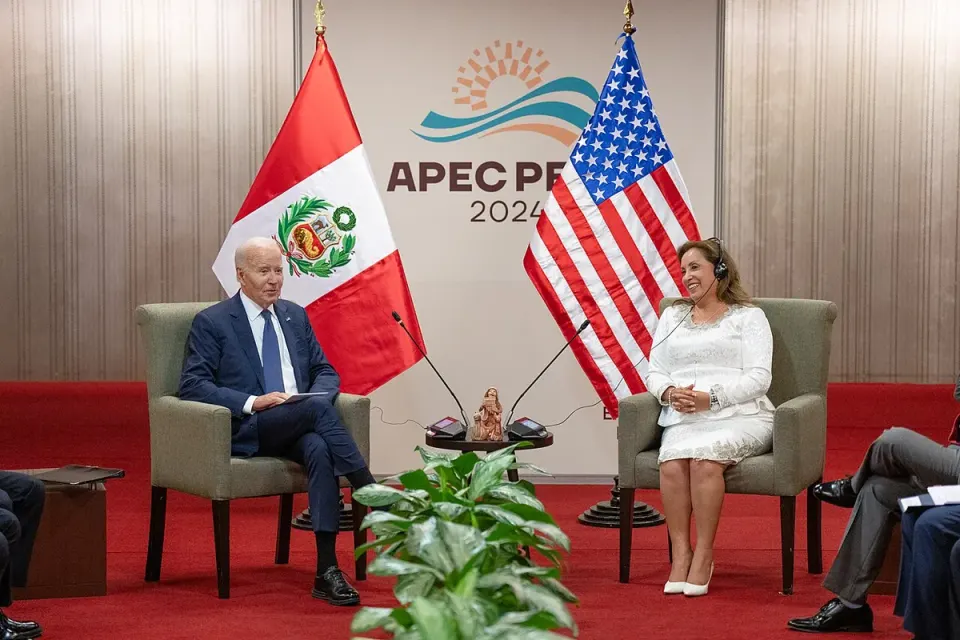
In a rare moment of geopolitical alignment, the United States, China, and Russia utilized the APEC summit to announce a coordinated effort to increase the supply of refined petroleum products. This decision comes as a direct response to the escalating energy crisis fueled by ongoing regional conflicts and disruptions in the Persian Gulf. By pledging to boost output, these global powers aim to provide a much-needed ceiling for oil prices, which have remained volatile despite a recent weekly drop in Brent crude. The agreement signals that even amid deep diplomatic friction, the necessity of global economic stability can force traditional rivals into a pragmatic, albeit fragile, cooperation.
For Iran and the broader Middle East, this move by the world’s three largest energy players suggests a concerted effort to bypass or mitigate the impact of supply shocks originating from the region. While President Trump has flaunted his personal rapport with leaders like Xi Jinping and Vladimir Putin, analysts note that this specific oil deal is less about personal diplomacy and more about domestic economic survival in Washington, Beijing, and Moscow. The surge in supply is intended to neutralize the 'risk premium' that has kept energy costs high, potentially altering the leverage that regional producers hold over the global market.
Saudi Arabia and Japan Build an Energy Fortress
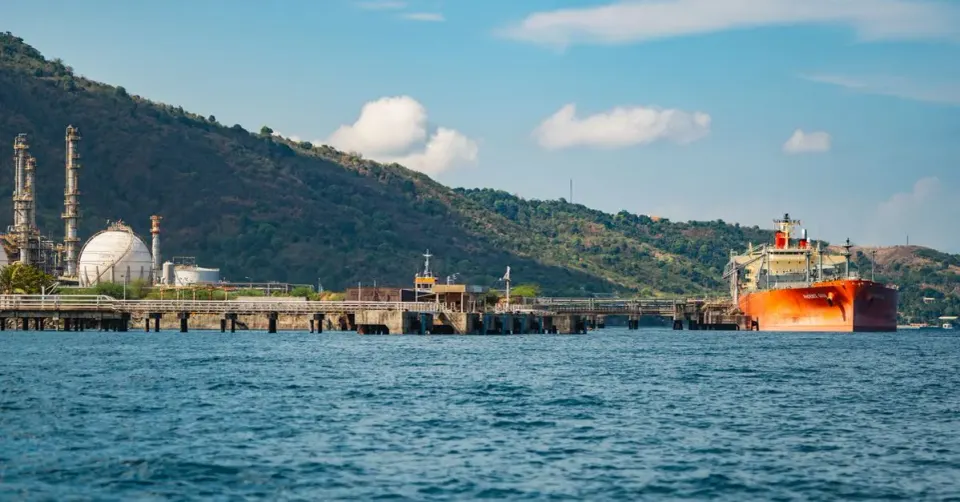
Complementing the global supply pledge, Saudi Arabia has significantly expanded its strategic footprint in Asia by striking a deal to increase its oil storage capacity in Japan. Under the new agreement, Saudi Aramco will utilize an additional 16 million barrels of storage in Japanese tanks, bringing its total capacity there to 24 million barrels. This move allows Japan to restock its national reserves, which were depleted during recent crises in the Strait of Hormuz, while providing the Saudi kingdom with a critical logistics hub to serve its Asian customers more reliably. The deal is structured to favor market conditions, ensuring that Tokyo has preferential access to these stocks during emergencies.
This strategic partnership highlights a growing trend of 'energy onshoring' where major consumers and producers create physical buffers far from volatile shipping lanes. For the global oil market, this means that even if a blockade or strike occurs in the Persian Gulf, a significant portion of the world's supply is already sitting safely in destination ports like Japan. This development contributed to the 5% weekly drop in Brent prices, as traders realize that the physical availability of oil is currently outweighing the immediate psychological fear of tanker attacks.
Global Tech Rout Drags Bitcoin Below Key Thresholds
The digital asset and technology markets are facing a brutal reality check this Friday. Bitcoin has plummeted below the psychologically critical $60,000 mark for the first time since July, currently trading at $59,110. This 6% decline was triggered by a broader sell-off in U.S. equities, particularly in the tech sector, where the Nasdaq dropped over 2%. The much-anticipated market debut of AI firm Anthropic has failed to ignite the expected rally; instead, Anthropic shares lost nearly 10% of their value shortly after opening, dragging the sentiment of the entire AI and crypto ecosystem down with it.
In Tehran, the local currency market has reacted to this global instability with a flight toward the safety of the U.S. Dollar. The USD sell rate rose from 270,700 to 272,900 Toman, an increase of 0.8% over the last 24 hours. Conversely, gold prices in Iran saw a sharp correction, with 18k gold dropping 3.6% to 23,357,495 Toman per gram. This divergence suggests that while global gold prices are adjusting, the local demand for liquid cash in the form of dollars remains high as investors hedge against both regional geopolitical risks and the deflation of the global tech bubble.

Frequently Asked Questions
Why did the U.S., China, and Russia agree on oil supply?
Why is Bitcoin falling despite the oil news?
What does the Saudi-Japan oil deal mean for regional stability?
Understanding Energy Security in a Globalized World
Energy security refers to the uninterrupted availability of energy sources at affordable prices. It encompasses not only the physical supply of oil, gas, and electricity but also the political and economic stability that ensures those supplies are reliable. When countries feel vulnerable to sudden disruptions—whether from geopolitical tensions, natural disasters, or market volatility—they may take protective measures such as stockpiling fuel, diversifying import sources, or investing in domestic production.
In the context of the 2026 APEC Summit, energy security has resurfaced as a top agenda item because the Pacific Rim houses both major oil consumers (like Japan, South Korea, and the United States) and key producers (including Saudi Arabia and emerging exporters in the Middle East). Recent supply agreements, such as the Saudi Aramco‑Japan partnership to deliver additional crude volumes, aim to smooth out potential short‑term shortages and signal a coordinated response to market shocks. By aligning export commitments with demand‑heavy economies, APEC members hope to dampen price spikes that can ripple through global trade.
The ripple effects of an oil surge extend beyond gasoline pumps. Higher oil prices often boost the value of alternative safe‑haven assets, such as gold, which has recently risen in Iran amid sanctions‑driven uncertainty. At the same time, currency markets react: a stronger Iranian Toman against the U.S. dollar can reflect both reduced import costs for oil‑rich nations and speculative flows seeking higher yields. Understanding these interconnections helps explain why a single commodity’s price movement can influence everything from cryptocurrency valuations—like Bitcoin’s dip below $60,000—to sovereign wealth fund strategies.
Looking ahead, energy security will increasingly hinge on diversification. Renewable energy investments, strategic petroleum reserves, and regional cooperation frameworks (like APEC’s Energy Working Group) are all tools policymakers can deploy to mitigate future shocks. While oil will likely remain a cornerstone of the global energy mix for years to come, the ability of nations to adapt to price volatility will determine the resilience of their economies and the stability of international markets.
Topics
Related Articles