COP31 Stalemate: Fossil Fuel Silence Sparks Global Alarm as AI Markets Tumble and Regional Tensions Flare
بنبست اقلیمی در ترکیه و زلزله در بازار هوش مصنوعی؛ سایه تهدید بر قلب مالی ریاض سنگین شد
As COP31 climate talks in Turkey head into overtime without a fossil fuel agreement, global markets are reeling from a 9% slump in Anthropic shares. Meanwhile, regional risks escalate as Yemeni forces target Riyadh’s financial district, while Polish officials investigate 'Russian objects' on their soil.
At time of publishing
USD
272,700
Toman
Gold 18K
23.46M
Toman / gram
Bitcoin
$60,106
US Dollar
Tether
273,948
Toman
The COP31 Deadlock: A Climate Deal Without Fossil Fuels
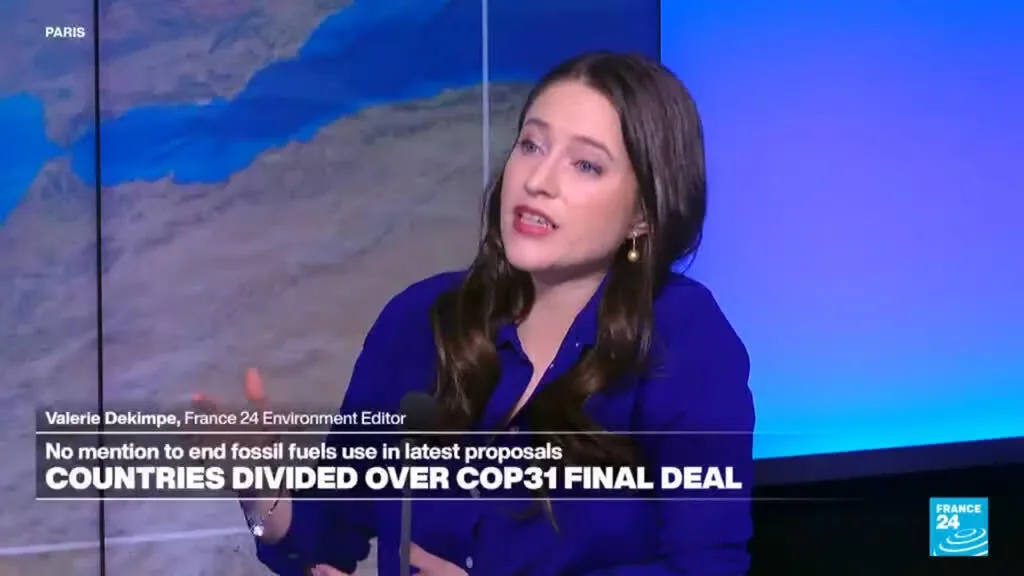
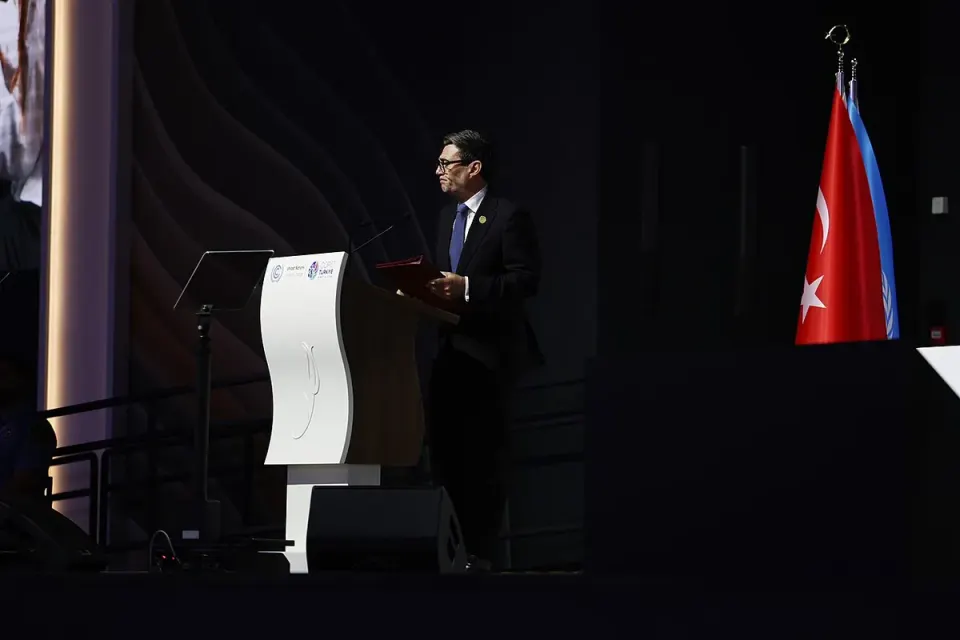
The UN's COP31 climate summit in Turkey is teetering on the edge of failure as negotiations spill into overtime this Friday. The primary point of contention remains a draft agreement that conspicuously omits any mention of phasing out or even reducing fossil fuels. Despite a year marked by catastrophic heatwaves in Europe and devastating floods in Nepal, the deadlock highlights a profound divide between nations reliant on oil and gas revenues and those demanding urgent decarbonization. Environment editors on the ground describe the atmosphere as a mix of a high-stakes trade show and a "climate therapy session," where the urgency of the science is being drowned out by the pragmatism of national interests.
For global markets, this stalemate is more than just an environmental concern; it represents a failure to provide a clear regulatory roadmap for the energy transition. Without a consensus on fossil fuels, investors are left in a vacuum regarding the future of carbon pricing and renewable energy subsidies. This lack of direction is contributing to a broader sense of instability in the energy sector, particularly as major powers like the US, China, and Russia hold separate trilateral meetings that deliver modest promises but no game-changing accords. The absence of a clear COP31 mandate means that the global energy market will likely remain volatile, driven by short-term geopolitical shifts rather than a long-term strategic shift away from hydrocarbons.
AI Sell-Off Deepens as Anthropic Slumps and Gurus Exit
The euphoria surrounding artificial intelligence is facing a brutal reality check. On its second day of trading, shares of the frontier AI firm Anthropic slumped by over 9%, falling toward its IPO price of $83. This decline has acted as a lead weight for the broader tech sector, dragging down risk appetite across the board. The sell-off is not limited to tech; it has bled into the cryptocurrency market, where Bitcoin has dropped to a near five-month low, currently trading at $60,106. Investors are increasingly questioning the massive capital expenditures required for AI build-outs, wondering when these billions in investment will translate into sustainable corporate profits.
Adding to the market's anxiety is the dramatic move by Panmure Liberum strategist Joachim Klement, a widely followed investing guru who has reportedly liquidated his entire stock portfolio. Klement, who has been 100% invested in equities for years, cited growing structural risks that the current market is failing to price in. When such high-profile figures move to cash, it often signals a "risk-off" environment where preservation of capital becomes more important than chasing growth. In the Iranian market, this global nervousness is reflected in a strengthening US Dollar, which rose from 270,700 to 272,700 Toman (+0.7%), as local investors seek safety amid international volatility.
Regional Escalation and the Polish 'Provocation'
Geopolitical tensions are flaring on two fronts this Friday, creating a pincer movement of risk for global stability. In the Middle East, the Yemeni Army (Ansarullah) has explicitly named the King Abdullah Financial District in Riyadh and the Al-Shuqaiq power plant as legitimate targets following recent Saudi-led strikes. This escalation directly threatens the economic heart of Saudi Arabia’s Vision 2030 and introduces a significant risk premium to the region's oil and financial infrastructure. For Iran, these developments are closely watched as they influence regional trade dynamics and the stability of the Toman, which remains sensitive to any military escalation in the Persian Gulf or surrounding territories.
Meanwhile, in Eastern Europe, Polish officials are investigating three "Russian objects" that crashed on their territory during military exercises by Ukraine’s allies. While no injuries were reported, Warsaw has labeled the incidents a likely "provocation" by Moscow. This adds another layer of complexity to the global security landscape, forcing NATO allies to remain on high alert. The combination of threats to Saudi financial hubs and potential incursions into NATO territory has sent gold prices on a rollercoaster; while 18k gold in Tehran saw a 24-hour decline from 24,232,420 to 23,461,378 Toman (-3.2%), the international gold ounce remains elevated at $3,532.07, reflecting its status as the ultimate hedge against geopolitical chaos.

Watch
COP31 wrapping up in Turkey: Climate deal elusive as fossil fuels go unmentioned • FRANCE 24
FRANCE 24 English
Frequently Asked Questions
Why did Anthropic shares fall so sharply after their IPO?
What happened at COP31 regarding fossil fuels?
Why is the Yemeni threat to Riyadh's financial district significant?
Understanding Geopolitical Risk in an Interconnected World
Geopolitical risk refers to the potential for political instability, conflicts, and international relations to significantly impact global markets, economies, and business operations. These risks stem from events like wars, civil unrest, trade disputes, diplomatic stalemates, or even policy changes in major nations, creating uncertainty that can deter investment, disrupt supply chains, and trigger volatility across financial assets. In today's highly interconnected world, a regional conflict or a breakdown in international cooperation can send ripple effects far beyond its immediate borders, affecting everything from energy prices to technological innovation.
The recent headlines offer a stark illustration of this phenomenon. The deadlock at COP31 in Turkey, for instance, highlights a failure of international cooperation on climate policy, which itself poses long-term geopolitical and economic risks. More immediate threats, such as the reported danger to Riyadh's financial district from Yemen or Russia's provocations near Poland, directly introduce military and political instability into critical economic regions. Such events heighten investor anxiety, leading to a flight to safety and a re-evaluation of risk, which can manifest as slumps in emerging markets, drops in cryptocurrency values like Bitcoin, or a general stock market downturn as seen with the Anthropic IPO slump and experts like Joachim Klement exiting positions.
Furthermore, geopolitical risks often have pronounced effects on local economies, particularly those already vulnerable. The fluctuation of the USD to Toman exchange rate and the trend in gold prices in Iran are symptomatic of how regional tensions and global uncertainties can erode local currency value and drive demand for safe-haven assets. When political stability is perceived to be low, or when international relations become strained, capital can flee, investments can dry up, and the cost of doing business can skyrocket, creating a challenging environment for economic growth and stability.