AI Sell-off Rattles Global Markets as NYC Unveils Rikers Closure; Gold Dips 2.5% in Tehran
سقوط بازارهای جهانی در پی شکست عرضه اولیه آنتروپیک؛ برنامه تعطیلی زندان رایکرز و کاهش ۲.۵ درصدی قیمت طلا در تهران
Global stocks face their worst week in years as the Anthropic IPO fails to stop an AI rout, while New York City sets a 2032 deadline to close the Rikers Island complex. In Tehran, gold prices have retreated by 2.5% as the US Dollar remains pinned at 270,700 Toman.
At time of publishing
USD
270,700
Toman
Gold 18K
23.64M
Toman / gram
Bitcoin
$62,061
US Dollar
Tether
273,400
Toman
New York Sets 2032 Deadline for Rikers Island Closure
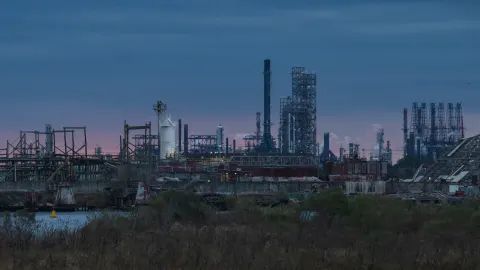
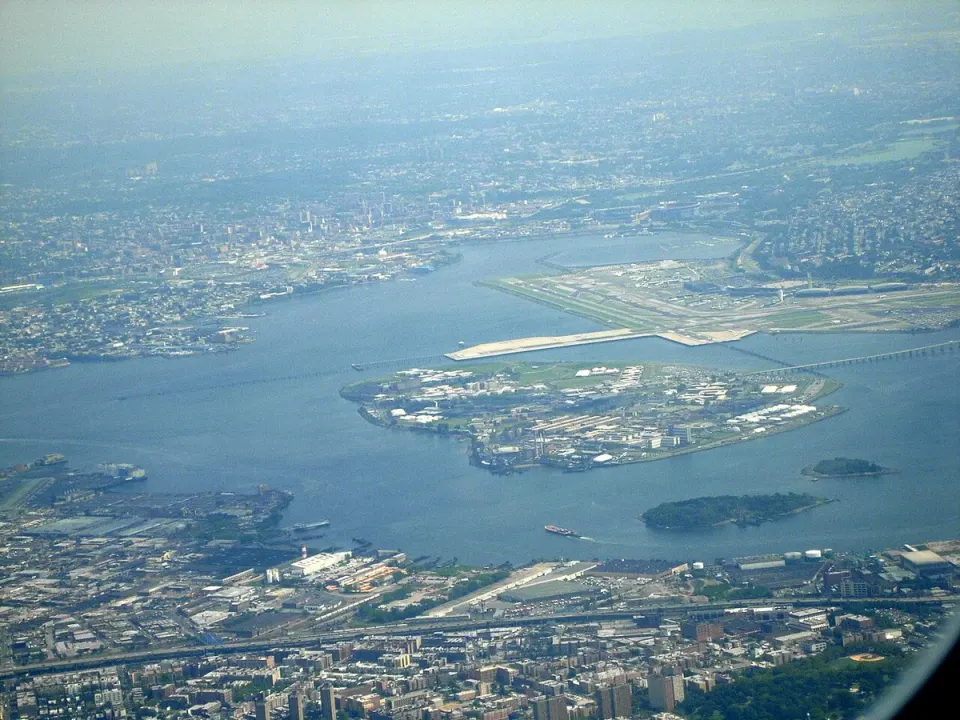
Mayor Zohran Mamdani has officially unveiled a comprehensive plan to shutter the notorious Rikers Island jail complex by the end of 2032. The proposal aims to replace the centralized, often criticized facility with smaller, more humane detention centers distributed across four of New York City's boroughs. Mamdani’s administration is framing this as a historic shift toward a correctional system that prioritizes safety and rehabilitation over mass incarceration. The plan includes a $146 million investment in evidence-based support systems designed to break the cycle of recidivism and tackle the systemic case delays that have long plagued the city's judiciary.
For international observers and those following US domestic policy, this move represents a significant victory for progressive reformists in one of the world's most influential cities. The closure of Rikers is not merely a local administrative change; it is a signal of shifting fiscal priorities in the United States. By moving away from high-cost, high-liability mega-jails, the city hopes to redirect resources into social infrastructure. For the global audience, including those in Iran, such domestic shifts in the US often precede broader changes in political sentiment that can eventually influence federal spending and foreign policy focus.
Global Markets Slump as Anthropic IPO Fails to Stem AI Rout
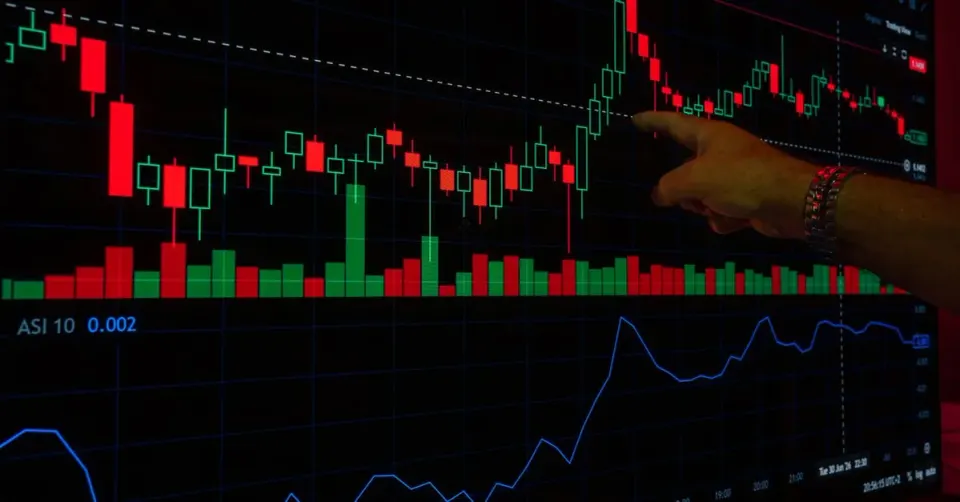
Global financial markets are reeling this Friday as the highly anticipated IPO of AI giant Anthropic failed to provide the 'silver bullet' investors were hoping for. Instead of sparking a fresh rally, the market debut has triggered a "sell the news" reaction, accelerating a broader sell-off in AI-linked technology stocks. Asian markets are currently on track for their worst weekly performance since 2020, with chipmaking titan TSMC seeing its shares drop by approximately 6%. The contagion has spread to European and US markets, where the S&P 500 is struggling through a grueling six-session losing streak, a level of volatility not seen since the tariff-induced shocks of 2025.
This downturn reflects a growing skepticism among institutional investors regarding the immediate profitability of massive AI investments. As risk appetite evaporates, the impact is being felt acutely in the cryptocurrency sector. Bitcoin (BTC) has slumped to $62,061, nearing a five-month low as traders flee toward safer havens. For Iranian investors, this global rout serves as a reminder of the high correlation between Western tech sentiment and crypto liquidity. When major funds like BlackRock’s IBIT see record outflows—surpassing $541 million in a single day—it creates a vacuum that often leads to increased volatility in the local Toman-denominated crypto rates.
Medical Breakthrough: A 'Decade-Defining' Pill for Pancreatic Cancer
In a rare piece of positive global news, a new clinical trial for the drug daraxonrasib has been hailed as the most significant breakthrough in pancreatic cancer treatment in decades. The trial results showed that for one in 12 patients, the cancer became completely undetectable, while nearly all 61 participants saw their tumor growth halt entirely. Pancreatic cancer has long been one of the most difficult malignancies to treat due to its aggressive nature and late-stage diagnosis. This new oral treatment offers a glimmer of hope for thousands of families worldwide who previously had few options beyond palliative care.
For the Iranian medical community, this development is of particular interest despite the ongoing challenges of pharmaceutical procurement under international sanctions. Breakthroughs like daraxonrasib often set new global standards for oncology, eventually filtering through international health organizations and generic manufacturing hubs. While immediate access may be limited by economic barriers, the success of this trial validates a new class of targeted therapies that could eventually transform cancer care from a terminal diagnosis into a manageable chronic condition.
Tehran Market: Gold Corrects as USD Holds Steady
The domestic market in Iran is showing a notable divergence this Friday. Gold 18k/gram has seen a sharp decline, moving from 24,232,420 Toman to 23,636,825 Toman, marking a -2.5% decrease in just 24 hours. This correction comes even as the US Dollar exchange rate remains remarkably stable at 270,700 Toman. The drop in gold prices is largely attributed to a cooling of local speculative demand and a slight softening in the global gold ounce, which is currently trading at $3,582.10. Emami coins have remained flat at 250,000,000 Toman, suggesting that while the bullion market is cooling, the demand for minted coins as a store of value remains resilient.
For local savers, this -2.5% dip in gold presents a potential entry point or a warning of further consolidation. With the USD/IRR rate showing 0.0% change today, the volatility is being driven almost entirely by the underlying commodity value rather than currency devaluation. Investors should keep a close eye on the $62,000 level for Bitcoin and the $3,500 level for gold, as these global psychological barriers will likely dictate the direction of Tehran's informal markets heading into the next trading week.
Frequently Asked Questions
Why did gold prices drop in Tehran while the dollar remained stable?
What caused the recent crash in AI-related stocks and Bitcoin?
What is the significance of the Rikers Island closure plan?
Understanding Safe-Haven Assets in Turbulent Markets
In times of global economic uncertainty or market volatility, investors often seek refuge in what are known as safe-haven assets. These are investments that are expected to retain or even increase in value during periods of market turmoil, offering protection against losses in more volatile assets like stocks. The primary goal of a safe-haven asset is capital preservation, acting as a buffer when broader markets experience significant downturns, such as the "AI sell-off" mentioned in the headline. Common examples include physical gold, certain government bonds (like U.S. Treasuries), and sometimes specific strong currencies (e.g., the Japanese Yen or Swiss Franc).
The appeal of safe-haven assets stems from their perceived stability and low correlation with riskier assets. Gold, for instance, has been valued for millennia as a store of wealth, possessing intrinsic value and not being subject to the credit risk of a government or corporation. During a stock market rout, where investors are selling off equities like those in the AI sector or major tech companies like TSMC, the demand for assets perceived as stable typically rises, driving their prices up. This flight to safety is a fundamental characteristic of investor behavior during "risk-off" periods.
However, the behavior of safe-haven assets is not always uniform or predictable, as highlighted by "Gold Dips 2.5% in Tehran" amidst a global "AI sell-off." While gold generally serves as a safe haven, its price can be influenced by a multitude of factors beyond global market fear, including local supply and demand dynamics, currency fluctuations against the U.S. dollar, interest rate expectations, and even short-term profit-taking. A dip in a specific regional market like Tehran could reflect localized economic conditions, a temporary strengthening of the local currency, or other domestic pressures that temporarily outweigh its global safe-haven appeal. Understanding these nuances is crucial for investors navigating complex financial landscapes.
Topics
Related Articles