Iraq Strikes Fragile Deal with Pro-Iran Militia; Bitcoin Slumps Below $62k as AI Rout Hammers Risk Appetite
توافق شکننده بغداد با شبهنظامیان؛ سقوط بیتکوین به زیر ۶۲ هزار دلار در پی بحران سهام هوش مصنوعی
Iraqi forces have reached a compromise with Kataib Hezbollah to avert a military showdown over oil smuggling, while global markets reel from an AI-led sell-off that has pushed Bitcoin to five-month lows. In Tehran, gold prices have dropped 2.4% despite a stable dollar, reflecting shifting regional risk premiums.
At time of publishing
USD
270,700
Toman
Gold 18K
23.65M
Toman / gram
Bitcoin
$61,797
US Dollar
Tether
273,708
Toman
Baghdad’s High-Stakes Compromise in Jurf al-Sakhar
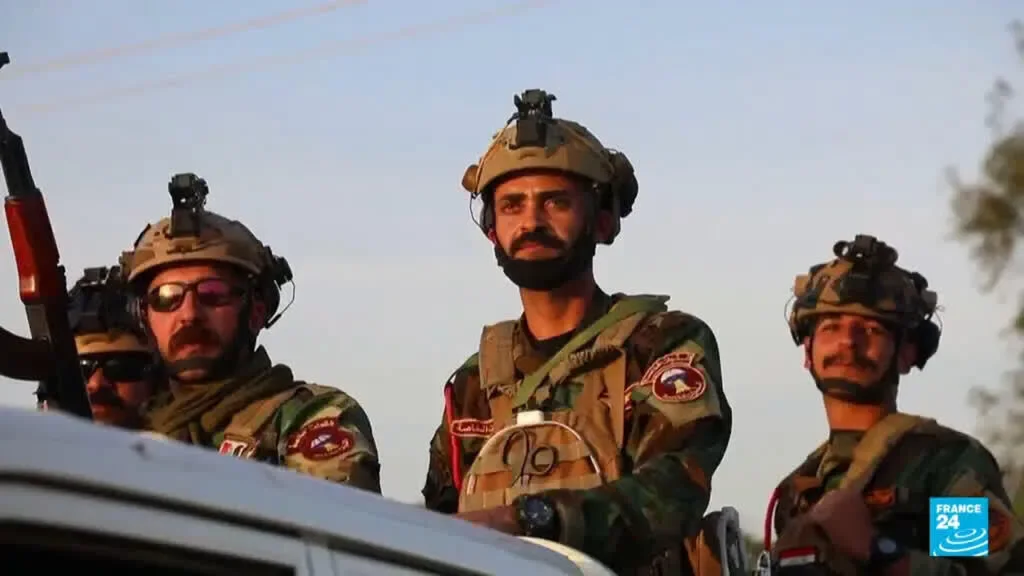
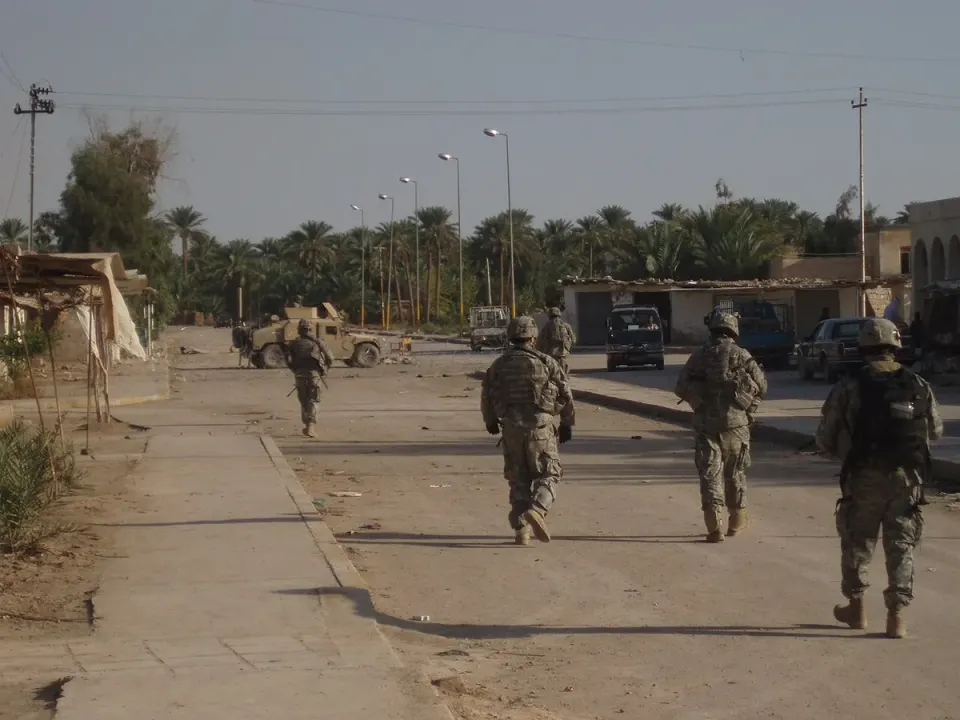
In a significant move to avert a direct military confrontation within its borders, the Iraqi government has reached a delicate compromise with Kataib Hezbollah, one of the most powerful Iran-backed militias in the region. Prime Minister Ali al-Zaidi had previously readied security forces to move against the group’s stronghold in Jurf al-Sakhar, following explosive allegations from senior Iraqi officials. These officials accused the militia of operating a massive smuggling ring that siphoned off hundreds of millions of dollars’ worth of state-owned oil, directly undermining the national treasury and the sovereignty of the central government.
The deal, brokered by senior Shi'ite political leaders, allowed government forces to begin deploying into Jurf al-Sakhar this Friday. While the move is being framed as a restoration of state authority, it remains a fragile peace. For the Iranian market, this development is a double-edged sword; while it temporarily reduces the risk of a full-scale civil conflict on Iran's western border, it highlights the ongoing instability in a key trading partner. Any disruption in Iraq’s oil exports or political stability often ripples into the Iranian currency market, as Baghdad serves as a critical hub for regional financial flows and informal trade.
Nuclear Standoff and the Oil Blockade Pivot
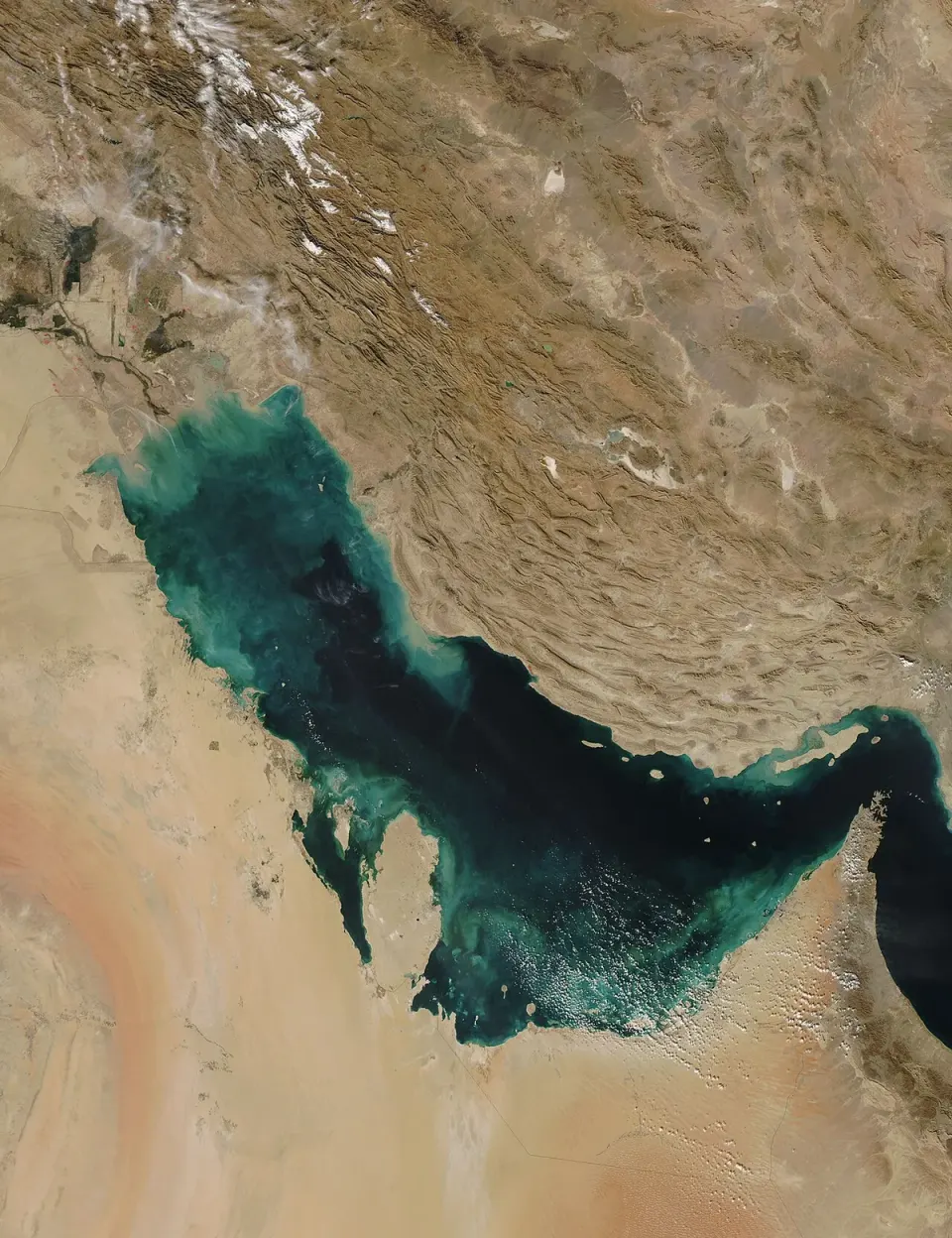
As regional tensions simmer, Iran’s diplomatic stance on the international stage has hardened. Reza Najafi, Iran’s ambassador to international organizations in Vienna, stated on Friday that Tehran would no longer grant UN inspectors access to its nuclear sites while under the threat of military strikes from the United States. This "policy of reciprocity" signals a move away from transparency as a bargaining chip, with the government claiming it cannot be expected to provide detailed site information while its sovereignty is being challenged by naval blockades and aerial threats. This rhetoric comes at a time when the U.S. is reportedly tightening its naval grip on Iranian ports in response to the earlier closure of the Strait of Hormuz.
Simultaneously, reports indicate that Tehran is attempting to bypass the current U.S. naval blockade by transferring crude oil through complex ship-to-ship maneuvers. Data from vessel trackers suggests that Iranian crude was moved from a sanctioned Suezmax tanker to a medium-range vessel not currently under sanctions. This cat-and-mouse game on the high seas is keeping global oil markets on edge, even as the Iranian domestic market sees a peculiar divergence. Despite the USD/IRR remaining flat at 270,700 Toman, gold 18k dropped 2.4% today, falling from 24,232,420 to 23,650,676 Toman per gram. This decline likely reflects a cooling of the extreme geopolitical risk premium that had been baked into local gold prices earlier in the week.
Global Markets: The AI Bubble and Bitcoin’s Retreat
The broader global market is currently witnessing a significant rotation out of risk assets, triggered by a deepening rout in artificial intelligence stocks. Bitcoin has felt the brunt of this shift, slumping below the $62,000 support level to trade near $61,797. Analysts point to a bearish technical signal where the 21-day moving average has crossed below the 200-day average, a pattern that historically precedes deeper corrections. The sentiment has been further dampened by a cooling of the "AI euphoria" that sustained markets throughout the year. Even as Apple signals its entry into the autonomous AI agent space—threatening Meta’s recently launched Muse platform—investors are becoming increasingly skeptical of the immediate profitability of these massive capital expenditures.
This "risk-off" environment is affecting everything from crypto to retail. In the UK, retail sales unexpectedly surged by 0.7% as households began stockpiling emergency supplies, heeding government warnings about potential cyber incidents or extreme weather. This "prepper" behavior, combined with the stagnation in UK-EU reset negotiations over university tuition fees, paints a picture of a global economy turning inward. For the Iranian investor, this global volatility underscores the importance of the $61,000 floor for Bitcoin; if this level fails to hold over the weekend, we could see a further exodus toward stablecoins like USDT, which is currently trading at a premium in the Toman market at 273,708.
---
Geopolitics and the Climate Compromise
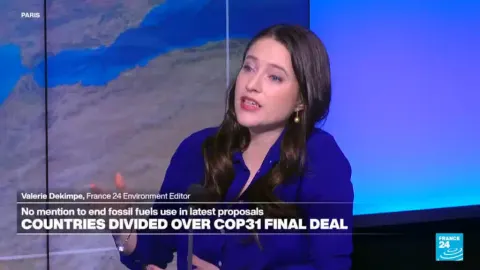
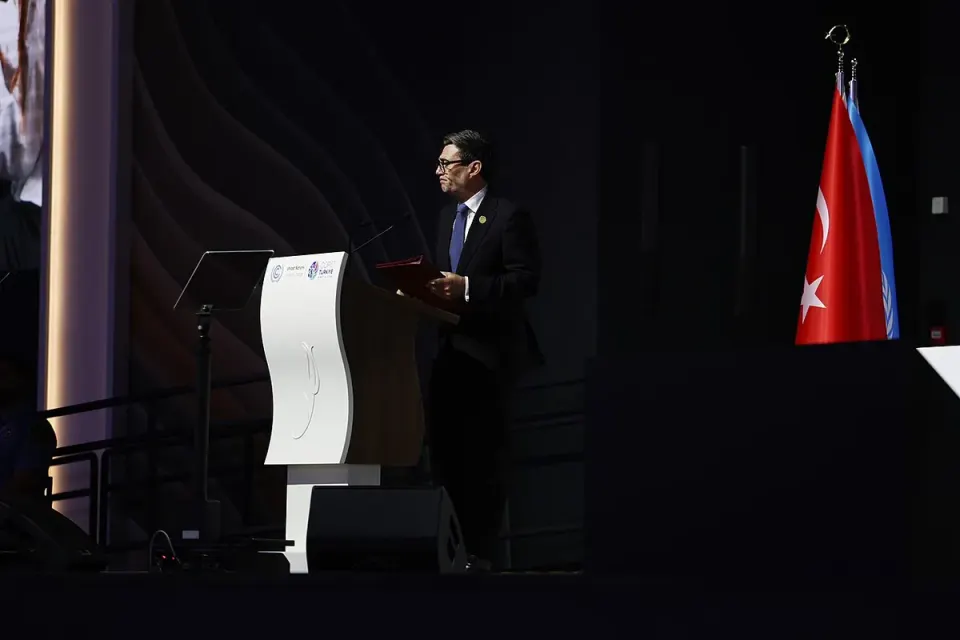
The COP31 climate talks in Turkey have hit a major roadblock as Australia, the co-host, unveiled a draft agreement that conspicuously omits any mention of phasing out fossil fuels. This move has sparked outrage among climate advocates and smaller nations, who argue that the global energy shock—exacerbated by the ongoing conflict involving Iran—should be a catalyst for a green transition, not a return to coal and gas. The omission reflects a growing trend of national economic survival taking precedence over international climate goals, a sentiment that is echoed in the hardball tactics seen in the UK-EU trade negotiations.
As the week closes, the intersection of regional militia deals, nuclear defiance, and a cooling global tech market creates a complex landscape for the Iranian economy. While the immediate threat of a military clash in Iraq has eased, the structural issues of sanctions and energy blockades remain. Investors should watch the 270,000 Toman level for the Dollar closely; as long as it remains anchored, the volatility in gold and crypto will continue to be driven by external technical factors rather than domestic currency collapse.
Watch
Iraqi forces strike compromise with powerful pro-Iran militia • FRANCE 24 English
FRANCE 24 English
Frequently Asked Questions
Why did gold prices drop in Tehran despite a stable dollar?
What is the significance of the Jurf al-Sakhar deal in Iraq?
Why is Bitcoin falling alongside AI stocks?
Understanding Risk Aversion: Why Geopolitics and Tech Shocks Impact Your Investments
Risk aversion is a fundamental concept in finance that describes investors' tendency to prefer assets with a lower degree of uncertainty and risk when faced with market volatility or geopolitical instability. It's a natural human response to fear and uncertainty, manifesting as a shift in investment behavior. When headlines report events like a "Bitcoin slump" or an "AI rout," it often signals a broad increase in risk aversion across the market, as investors pull back from speculative or growth-oriented assets.
This shift is frequently triggered by significant geopolitical developments or economic shocks. For instance, a "fragile deal with a pro-Iran militia" in Iraq, ongoing "Iran nuclear inspections," or the hypothetical threat of a "US naval blockade" all introduce heightened uncertainty and potential for conflict, making investors wary. Similarly, an "AI rout" — a significant downturn in the performance of artificial intelligence-related stocks — can erode confidence in a high-growth sector, leading to a broader re-evaluation of risk across the tech market and beyond. These events increase the perceived risk of holding volatile assets.
When risk aversion takes hold, a phenomenon known as "flight to safety" often occurs. Investors liquidate their positions in riskier assets, such as cryptocurrencies like Bitcoin or high-growth tech stocks, and reallocate their capital into assets traditionally considered more stable and secure. These "safe-haven" assets typically include government bonds from stable economies, certain reserve currencies, and precious metals like gold. The mention of "Gold price Tehran" in the context of regional instability further illustrates this principle, as gold often serves as a local hedge against currency devaluation and political uncertainty.
Understanding risk aversion is crucial for comprehending market dynamics. It explains why seemingly unrelated events, from regional conflicts to sector-specific tech downturns, can collectively impact global financial markets. For investors, recognizing periods of heightened risk aversion can inform decisions about portfolio diversification and asset allocation, helping them navigate turbulent times by understanding the underlying psychological and economic forces at play.
Topics
Related Articles