AI Rout Deepens Despite Anthropic’s $81B Debut as UK Sets Trial for RAF Petrol Plot
سقوط سنگین بازارهای جهانی در پی ناکامی عرضه اولیه آنتروپیک؛ تعیین وقت دادگاه برای توطئه بمبگذاری در بریتانیا
Global markets are reeling as Anthropic's record-breaking IPO fails to stop a massive AI sector sell-off, while UK authorities set a trial date for a high-stakes security plot involving RAF Fairford. Meanwhile, the U.S. opens the Pacific seabed to mining as geopolitical leaders pledge to flood the market with petrol.
At time of publishing
USD
272,500
Toman
Gold 18K
23.60M
Toman / gram
Bitcoin
$62,083
US Dollar
Tether
274,999
Toman
The Fairford Plot: Security Stakes and the Long Road to Justice
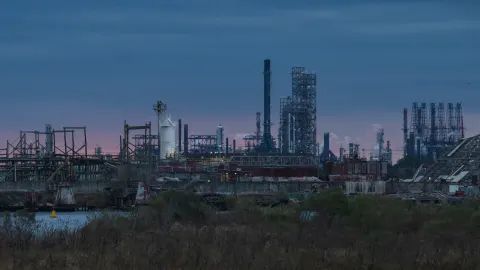
Legal proceedings have taken a definitive turn in the United Kingdom as a court set November 2027 for the trial of Mohmed Abdulkarim and Nouman Essghir. The pair face serious charges under the National Security Act following a high-profile incident where vans filled with petrol were driven toward RAF Fairford, a critical strategic airbase used by the U.S. Air Force. This case has become a focal point for Western security agencies, illustrating the heightened state of alert regarding domestic threats linked to broader geopolitical tensions. The lengthy lead time for the trial reflects the complexity of the evidence and the sensitivity of the national security protocols involved.
For observers in the Middle East and Iran, this trial is more than a local criminal matter; it serves as a barometer for how Western nations are hardening their legal frameworks against perceived external and internal threats. As the UK applies its updated National Security Act, the outcome will likely set precedents for how non-state actor threats are handled in an era of extreme regional volatility. The base itself, RAF Fairford, is often the launching point for long-range bomber missions, making any security breach there a matter of international concern that directly impacts the strategic calculus of global powers.
AI Market Meltdown: Anthropic’s IPO Fails to Stem the Bleeding
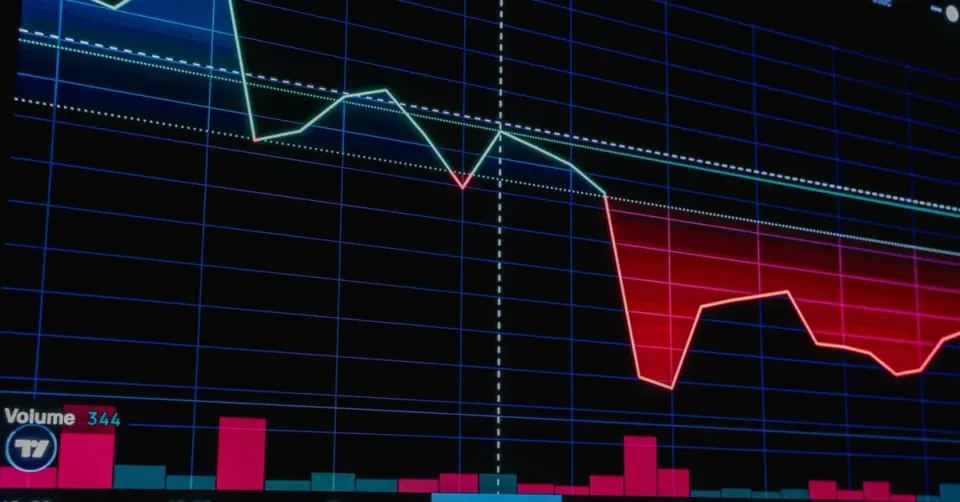
In the financial world, the long-awaited market debut of Anthropic has turned into a cautionary tale rather than a celebratory milestone. Despite a massive $81 billion valuation and significant backing from firms like Ark Invest—which purchased $90 million in shares on the first day—the broader AI sector is in a freefall. Global stock markets, particularly in Asia, have recorded their worst week since 2020. In Taiwan, the tech-heavy index plummeted by 6.7%, with chip giant TSMC losing 6% of its value in a single session. This sell-off suggests that investors are increasingly skeptical of the "AI premium" and are demanding concrete profitability over speculative growth.
This market turbulence has immediate consequences for global risk appetite. When major tech stocks like TSMC and Anthropic slide, the ripple effect reaches into the cryptocurrency and commodity markets. Bitcoin has felt the pressure, currently trading at $62,083 as institutional investors pull back from high-beta assets. For the Iranian market, this global "risk-off" sentiment often translates into a stronger US Dollar as a safe haven. Today, the USD sell rate in Tehran rose from 270,700 to 272,500 Toman, a 0.7% increase, reflecting this broader shift away from volatile assets and toward the greenback.
The Energy Power Play: Deep Sea Mining and Global Petrol Pledges
In a move that signals a radical shift in U.S. resource policy, the government has auctioned 31.5 million acres of the Pacific Ocean seabed to Wetstone U.S. Ventures for deep-sea mining preparation. This $6 million lease sale occurred despite significant legal objections from environmental groups and federal judges. The move is a clear indicator that the U.S. is prioritizing mineral independence—specifically for battery components—as it prepares for a long-term economic confrontation with China. Simultaneously, a geopolitical "petrol alliance" appears to be forming, with leaders like Trump, Putin, and Xi Jinping pledging to increase global petrol supplies to stabilize energy costs.
This influx of supply news is already weighing heavily on crude prices. WTI crude futures sank more than 5% this week as fears of a global oil glut began to outweigh the risks of Middle Eastern supply disruptions. In Iraq, the federal government is using this period of market flux to tighten its grip on domestic production, specifically targeting pro-Iranian militia groups like Kata’ib Hezbollah. By seizing control of illegally tapped pipelines in Jurf al-Sakhar, Baghdad is attempting to reclaim hundreds of millions of dollars in lost revenue. For the average Iranian citizen, these global energy shifts are a double-edged sword: while they may eventually lower global inflation, the immediate pressure on oil revenues for regional players often correlates with domestic currency instability, as seen in the recent fluctuations in the Toman and gold prices.

Frequently Asked Questions
Why did Anthropic's IPO cause a market sell-off?
How does the RAF Fairford trial affect regional security?
Why is the price of gold falling in Iran while the USD is rising?
Understanding Market Corrections: The "AI Rout" Explained
A "market correction" is a term frequently used in financial news, and it describes a significant, but typically temporary, decline in the price of a market index, bond, or commodity. Generally, a correction is defined as a drop of at least 10% from a recent peak, but less than 20%, which would signify a bear market. These downturns are a normal and often healthy part of market cycles, serving to cool down overheated markets, reduce speculative excesses, and bring asset valuations back in line with underlying fundamentals. They can be triggered by a variety of factors, including shifts in investor sentiment, economic data, geopolitical events, or changes in corporate earnings outlooks.
The recent "AI Rout" in tech stocks, despite major events like Anthropic's multi-billion dollar debut, serves as a prime example of a market correction. After a period of rapid and often speculative growth driven by immense excitement around artificial intelligence, many AI-related companies saw their valuations soar. However, as investors begin to scrutinize profitability, competitive landscapes, and the long-term viability of some business models, sentiment can shift. This shift often leads to profit-taking and a re-evaluation of assets, causing prices to decline from their highs.
While a correction can be unsettling for investors, it's crucial to understand its role. It helps prevent the formation of larger, more damaging asset bubbles, which can lead to more severe crashes. For instance, even as the broader AI sector experiences a downturn, a company like Anthropic might still command a high valuation due to specific perceived strengths, innovative technology, or strong investor backing, highlighting that corrections are not uniform across all assets and can create opportunities for discerning investors. These periods often test the resilience of companies and the conviction of their shareholders, ultimately shaping the future landscape of the market.
Topics
Related Articles