
Tech Sell-off Meets Crypto Crash: Bitcoin Slips Below $56k as Anthropic Shares Slide
سقوط همزمان تکنولوژی و کریپتو؛ بیتکوین به زیر ۵۶ هزار دلار رسید، سهام انتروپیک ریزش کرد
Global markets are facing a double whammy as AI powerhouse Anthropic drags down major US indices while Bitcoin suffers a 10% rout due to a deepening liquidity squeeze. Amidst the chaos, consumer tech giants are launching aggressive discount campaigns to stimulate cooling demand.
At time of publishing
USD
272,300
Toman
Gold 18K
23.27M
Toman / gram
Bitcoin
$55,926
US Dollar
Tether
275,053
Toman
The Great Tech Correction: Anthropic and the AI Jitters
The global financial landscape is currently navigating a period of intense volatility as tech stocks, once the darlings of the post-pandemic era, face a significant correction. The primary catalyst for this shift has been the sudden slide in shares of Anthropic, a cornerstone of the artificial intelligence sector. This sell-off has not happened in isolation; it has dragged the S&P 500 and the Dow Jones Industrial Average into correction territory, signaling a broader skepticism among investors regarding the lofty valuations of AI-driven enterprises. As market participants reassess the immediate profitability of these tech giants, the ripple effects are being felt across global exchanges, leading to a cautious atmosphere that prioritizes liquidity over speculative growth.
While institutional investors grapple with these macro shifts, consumer-facing tech companies like Motorola and Google are pivoting toward aggressive promotional strategies. For November 2026, we are seeing an unprecedented surge in coupon codes and deep discounts, with Hostinger and HostGator offering up to 85% off their services. This is not merely a seasonal sale; it is a calculated move to capture consumer spending at a time when discretionary income is under pressure from broader economic cooling. By slashing prices on smartphones and cloud services, these companies hope to maintain market share and user engagement even as their parent valuations face downward pressure on Wall Street.

Bitcoin’s $56k Breakdown and the Liquidity Squeeze
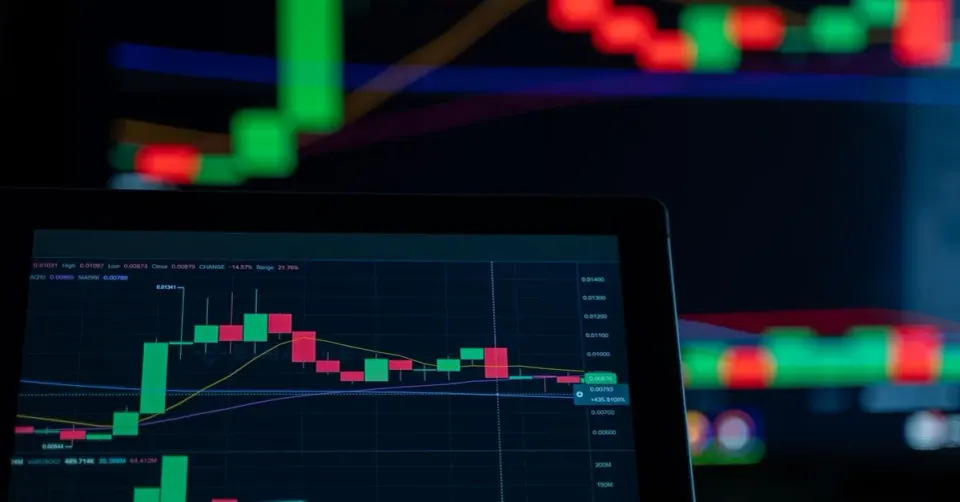
The cryptocurrency market has mirrored the turbulence seen in traditional equities, but with its characteristic amplified intensity. Bitcoin has crashed below the critical $56,000 support level, marking a 10% decline within a single trading cycle. This rout is being driven by a deepening liquidity squeeze that has left many traders unable to defend key price points. The sell-off is not limited to the king of crypto; major altcoins like XRP and Cardano (ADA) have also seen double-digit percentage drops. This synchronized decline suggests a systemic withdrawal of capital from high-risk assets as the global economic outlook becomes increasingly murky.
Beyond the immediate price action, the impact on the infrastructure of the crypto ecosystem is profound. Analysts at JPMorgan have noted that the current price drop is putting immense pressure on Bitcoin miners. With the cost of energy remaining high and the reward value diminishing, the profitability of mining operations is being pushed to the brink. If prices do not stabilize soon, we may witness a significant drop in the network's hash rate as less efficient miners are forced to go offline. For investors in Iran, where crypto has often served as a hedge against local currency fluctuations, this volatility presents a complex challenge: the Tether (USDT) price remains high at 275,053 Toman, yet the underlying asset's value is eroding rapidly.
Global Unrest and the Iranian Market Response
On the geopolitical and social front, the world continues to face a series of unsettling events that contribute to the general sense of instability. In the United States, the legal system has finally reached a verdict in the case of Jonathan Rinderknecht, the former Uber driver found guilty of sparking the devastating Palisades wildfire in Los Angeles. While seemingly a local issue, such events underscore the increasing environmental and social risks that are beginning to factor into long-term economic modeling. Meanwhile, oil prices remain caught in a tug-of-war between a looming global surplus and persistent Middle East turmoil, with Brent crude hovering around $92.18. This delicate balance prevents a full-scale energy price collapse but keeps global inflation expectations on edge.
In Iran, the domestic market has seen a slight cooling of the recent dollar rally. On this Saturday, November 21, 2026 (۳۰ آبان ۱۴۰۵), the USD sell rate in the open market moved from 272,900 to 272,300 Toman, a modest decrease of 0.2%. Gold and coins have followed suit, with the Emami coin dropping 1.6% to 246,000,000 Toman. Amidst these economic pressures, President Pezeshkian has taken a moment to highlight national achievements in sports, congratulating Marzieh Jafari and Alireza Beiranvand on their AFC honors. These gestures of soft power provide a brief respite from the headlines of economic correction, though the underlying structural pressures on the Rial and the broader economy remain the primary concern for the Iranian public.

Watch
Markets plummet as tech sell-off intensifies
NBC News
Frequently Asked Questions
Why did Bitcoin crash below $56,000 today?
How is the Anthropic sell-off affecting the broader stock market?
What is the current status of the Iranian Rial against the Dollar?
Are Bitcoin miners in danger due to this price drop?
Understanding Crypto Liquidity Squeezes
When a cryptocurrency like Bitcoin experiences a rapid price drop, one of the key mechanisms at play is a liquidity squeeze. Liquidity refers to the ease with which an asset can be bought or sold without causing a large price movement. In deep and liquid markets, huge orders can be absorbed by many counterparties, keeping prices relatively stable. However, when market participants withdraw their capital—perhaps because of a broader tech‑stock correction or heightened risk aversion—the pool of available buyers and sellers shrinks dramatically. The result is that even modest sell orders can push the price sharply lower, creating a feedback loop that accelerates the decline.
Several factors can trigger a crypto liquidity squeeze. First, cross‑asset contagion: a sell‑off in high‑growth tech stocks (such as Anthropic’s shares) can prompt investors to liquidate riskier assets, including cryptocurrencies, simultaneously draining liquidity. Second, exchange‑specific constraints: many crypto exchanges operate with order books that rely on market makers. If these makers pull back during volatile periods, the order book thins, widening spreads and making execution costly. Third, margin calls and leveraged positions amplify the effect. Traders who borrowed against Bitcoin must cover their positions when prices fall, forcing additional selling into an already thin market.
The consequences of a liquidity squeeze go beyond a single price tick. A sudden drop in liquidity can erode confidence, prompting retail investors to exit, which further deepens the squeeze. It also raises the risk of price manipulation, as a few large players can move the market more easily when the order book is shallow. For policymakers and regulators, recognizing liquidity squeezes is crucial because they can lead to systemic stress, especially if crypto assets are increasingly intertwined with traditional financial institutions.
Investors can mitigate exposure to liquidity squeezes by diversifying across assets, using limit orders instead of market orders, and monitoring on‑chain metrics such as the order‑book depth and funding rates on futures markets. Understanding the dynamics of liquidity helps traders anticipate when a market is fragile and adjust their strategies before a sharp correction hits.
In short, a crypto liquidity squeeze is a convergence of reduced market depth, heightened risk aversion, and leveraged unwinding. By grasping how these forces interact, anyone watching the Bitcoin price dip below $56,000 can see beyond the headline and appreciate the underlying market mechanics.
Topics
Related Articles