Iraqi Forces Breach Militia Strongholds While US Escalates Oil Sanctions on Tehran
ورود نیروهای عراقی به دژ کتائب حزبالله؛ همزمان با تشدید تحریمهای نفتی آمریکا
In a historic shift, Iraqi state forces have entered territories long held by the Iran-backed Kataib Hezbollah militia, signaling a potential realignment in Baghdad. Meanwhile, the US Treasury has targeted four individuals linked to Iranian oil revenue, as Tehran markets see a sharp 2% drop in coin prices.
At time of publishing
USD
272,200
Toman
Gold 18K
23.27M
Toman / gram
Bitcoin
$58,121
US Dollar
Tether
275,053
Toman
Iraqi Sovereignty Tested as Army Enters Militia Strongholds
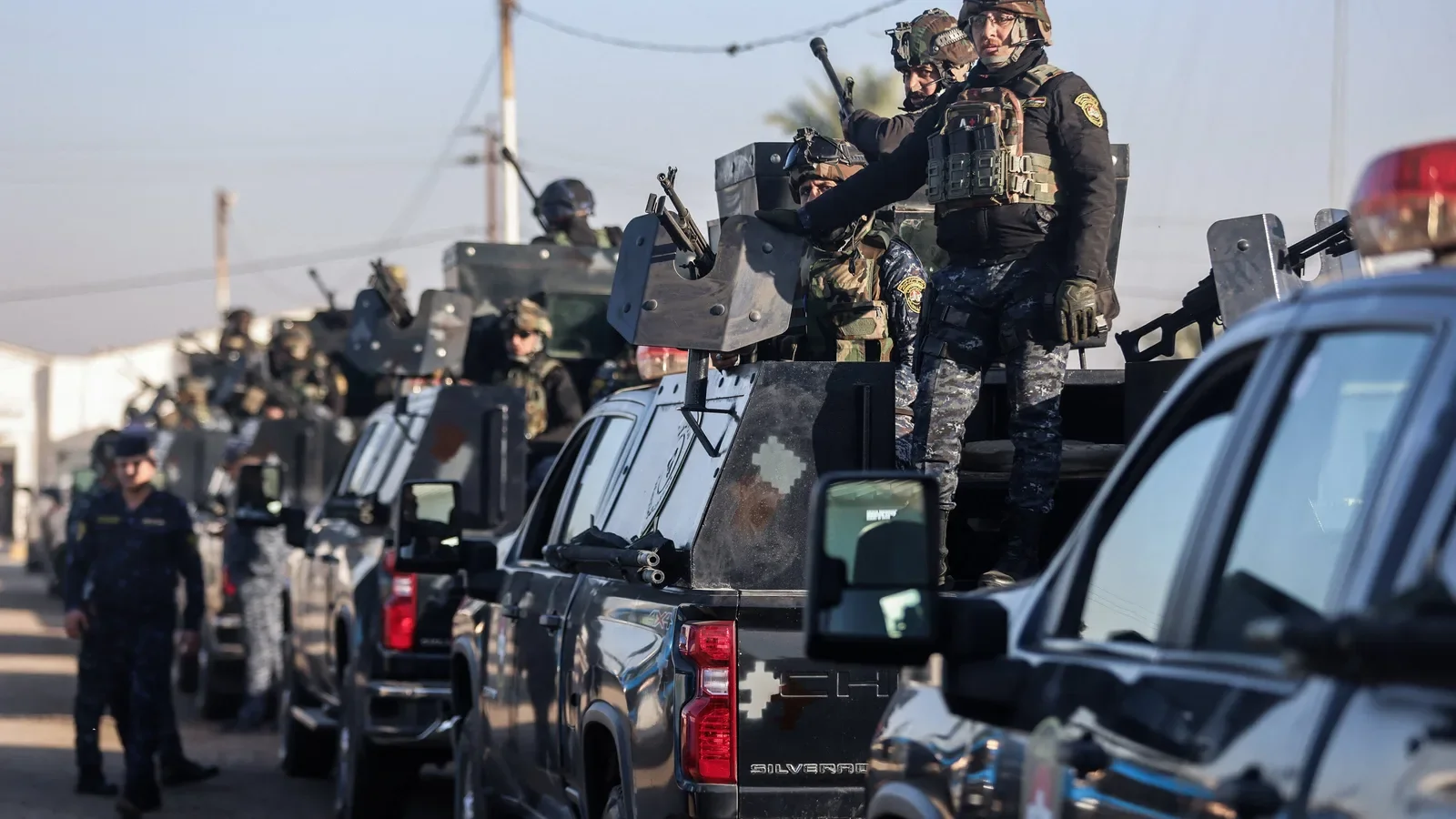
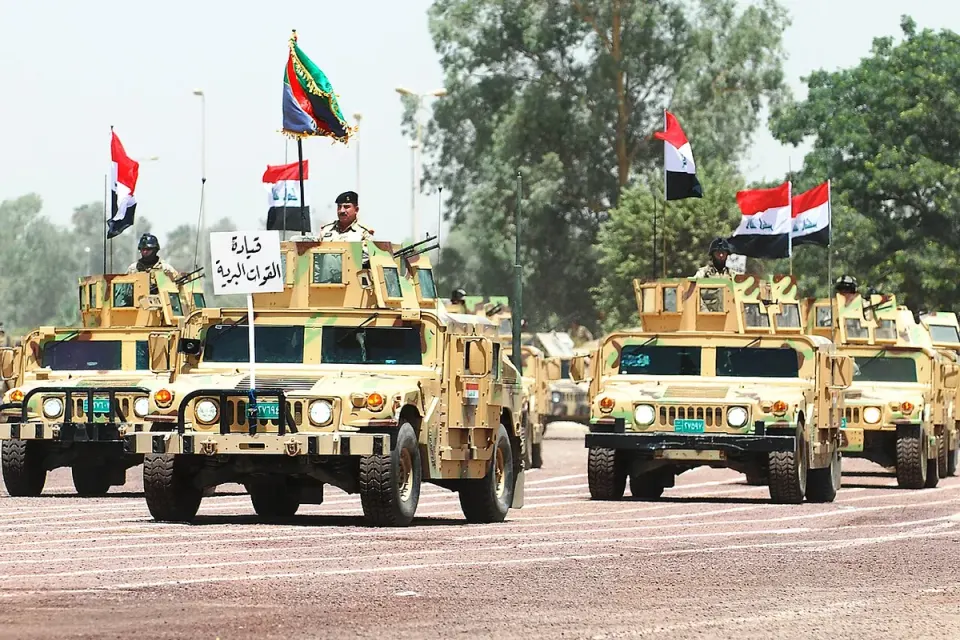
In a move that has sent ripples across the Middle Eastern geopolitical landscape, Iraqi army and police units have reportedly entered territory controlled by Kataib Hezbollah, one of the most powerful Iran-backed militias in the region. This marks the first time in over a decade that state forces have dared to establish a presence within these specific strongholds. While the deployment is officially framed as a routine security measure, analysts suggest it represents a bold attempt by the Iraqi government to reclaim sovereignty and reduce the semi-autonomous power of paramilitary groups that have long operated outside the central command's reach.
The implications for Tehran are profound. Kataib Hezbollah has historically served as a critical pillar of Iran's 'Axis of Resistance' and a primary tool for projecting influence within Iraq. If the Iraqi government succeeds in maintaining this presence without a violent backlash, it could signal a weakening of the proxy-led security model that has dominated the country since the fight against ISIS. However, it remains unclear whether the militia will peacefully withdraw or if this deployment will lead to a protracted standoff between the state and the heavily armed groups that still hold significant political sway in Baghdad.
US Tightens the Noose on Iranian Oil Networks
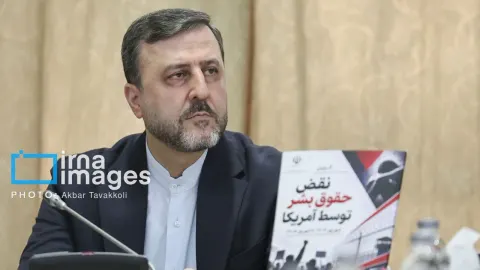
As tensions simmer on the ground in Iraq, the economic battlefield is seeing renewed escalation. The US Treasury Department has announced a new round of sanctions targeting four Iranian nationals accused of facilitating the collection of oil revenues. According to reports from IRNA, the Iranian state media, Tehran has characterized this move as a continuation of a 'hostile campaign' by Washington, following what it describes as the failure of military and political aggression. These sanctions are specifically designed to disrupt the 'shadow banking' networks that allow Iran to bypass existing embargoes and convert its crude oil exports into usable foreign currency.
Simultaneously, Iranian institutions are attempting to pivot the international narrative toward humanitarian concerns. The Institute for the Intellectual Development of Children and Young Adults (Kanoon) has formally urged UNICEF to pursue justice for Iranian children affected by conflict and sanctions. This dual-track reality—of tightening economic restrictions on one side and a domestic push for international legal accountability on the other—highlights the ongoing friction between the Islamic Republic's survival strategies and the Western-led sanctions regime. For the average Iranian citizen, these developments often translate into continued volatility in the foreign exchange market and persistent inflationary pressure.
Market Reaction: Toman Strengthens as Coin Prices Retreat
Despite the geopolitical noise, the Iranian domestic market has shown a surprising degree of resilience this Saturday, November 21, 2026 (30 Aban 1405). The US Dollar (USD) saw a minor decline, moving from 272,900 to 272,200 Toman, representing a 0.3% decrease in the 24-hour window. Gold prices followed a similar downward trajectory, with 18-karat gold falling from 23,357,495 to 23,265,155 Toman per gram (-0.4%). The most significant movement, however, was observed in the coin market, where the Emami coin dropped by 2.0%, falling from 250,000,000 to 245,000,000 Toman.
This cooling of prices suggests that the market may have already priced in the recent regional tensions or is reacting to a temporary injection of liquidity by the central bank. While the USD/IRR rate remains at historically high levels, the 2% drop in coin prices often serves as a leading indicator of shifting sentiment among local investors. In the crypto space, Bitcoin is currently trading at $58,121, maintaining a relatively stable position compared to the volatility seen earlier in the week. Investors are closely watching the $56,000 support level, as any breach there could trigger a broader sell-off across the digital asset landscape.
Global Pulse: Spanish Elections and Rome’s Tourist Tax
Beyond the Middle East, Europe is grappling with its own internal shifts. In Spain, Prime Minister Pedro Sánchez is making a final, desperate push to retain power as he trails in the polls ahead of next week's election. As the most prominent left-wing leader in the European Union, his potential departure could signal a broader rightward shift in European policy regarding immigration, climate change, and fiscal spending. His campaign has focused on the economic recovery of Spain, but voters seem increasingly drawn to the populist rhetoric of the opposition, creating a high-stakes environment for the EU’s fourth-largest economy.
Meanwhile, in Italy, a more localized but equally revealing controversy is unfolding at Rome’s iconic Trevi Fountain. The introduction of a €2 entry fee to manage tourist crowds has led to a unexpected side effect: a significant drop in the traditional tossing of coins into the water. The charity that collects these funds reported a shortfall of £200,000, as barriers and entry fees deter the very tourists whose 'wish-making' coins fund local social services. This micro-economic event serves as a cautionary tale for cities worldwide attempting to balance the lucrative benefits of tourism with the logistical and cultural costs of over-crowding.
Frequently Asked Questions
Why did Iraqi forces enter Kataib Hezbollah territory now?
How do the new US sanctions affect the Iranian oil trade?
Why is the Emami coin dropping more than the US Dollar?
Understanding Secondary Sanctions: How the U.S. Targets Iran’s Oil Revenue
Secondary sanctions are a tool of U.S. foreign policy that extends the reach of primary sanctions beyond American citizens and companies. While primary sanctions directly prohibit U.S. persons from dealing with a target—such as Iran’s state oil company—secondary sanctions punish non‑U.S. firms, banks, or even sovereign nations that continue to provide material support to the sanctioned entity. In practice, a foreign company that buys Iranian crude, ships it, or offers insurance can be barred from the U.S. financial system, lose access to dollar clearing, or face hefty fines.
The mechanism works through the Office of Foreign Assets Control (OFAC), which publishes a list of “secondary sanctions” designations. When a non‑U.S. party is found to have engaged in prohibited activity, OFAC can issue a “secondary sanction” that adds the party to the Specially Designated Nationals (SDN) list. This effectively cuts the entity off from U.S. banks and markets, because most international transactions settle in U.S. dollars and clear through U.S. correspondent banks. The threat of being shut out of the global financial system creates a powerful deterrent, even for entities that have no direct ties to the United States.
For Iran, secondary sanctions have crippled its ability to sell oil on the open market. Even when a buyer in Asia or Europe is willing to purchase Iranian crude, the risk of secondary sanctions forces many banks and shipping firms to refuse the transaction. The resulting loss of revenue depresses the Iranian rial (IRR) against the dollar, pushes up inflation, and forces the government to turn to alternative, often less efficient, payment channels. The ripple effect can be seen in related markets, such as the price of the Emami cryptocurrency, which has been used by some Iranians to hedge against currency devaluation.
Beyond the economic pain, secondary sanctions also aim to weaken Iran‑backed militias like Kataib Hezbollah by cutting off the financial lifelines that flow through oil revenues. By targeting the oil sector, the United States hopes to reduce the funding available for proxy groups operating in Iraq and Syria. Critics argue that the approach can harm ordinary civilians more than the intended political elites and may push sanctioned countries toward deeper cooperation with other non‑Western powers.
Understanding secondary sanctions helps explain why headlines now link Iraqi military advances against militia strongholds with a parallel U.S. push to tighten oil sanctions on Tehran. The policy intertwines geopolitics, finance, and everyday economic realities, making it a pivotal concept for anyone following Middle‑East developments or global sanctions regimes.
Topics
Related Articles