Humanitarian Toll Mounts as 428 Children Killed in Recent Wars; Tech Giants Face $2.3 Trillion Weekly Wipeout
آمار تکاندهنده تلفات کودکان در درگیریهای اخیر؛ همزمان با ریزش تاریخی ۲.۳ تریلیون دلاری بازار تراشهها
Iran reveals a devastating toll of 428 children killed in recent regional conflicts while global markets reel from a historic semiconductor crash, with Nvidia losing $1.1 trillion in value.
At time of publishing
USD
271,500
Toman
Gold 18K
23.07M
Toman / gram
Bitcoin
$57,527
US Dollar
Tether
274,800
Toman
The Human Cost of Conflict: 428 Children Killed
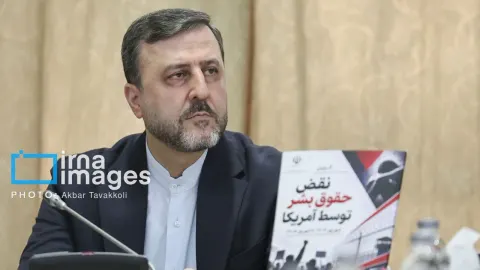
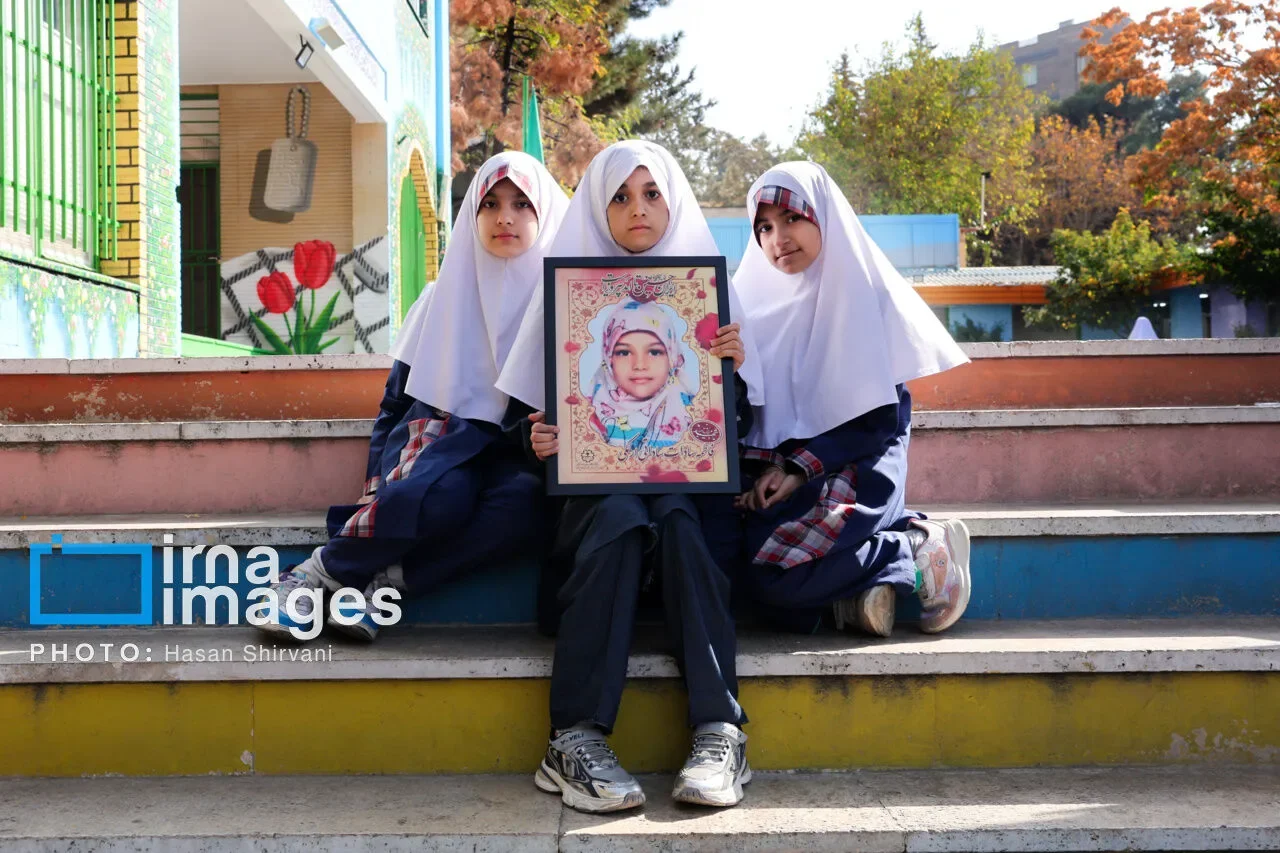
In a somber briefing that highlights the escalating humanitarian crisis in the region, Pirhossein Kolivand, head of Iran’s National Committee on Humanitarian Law, reported that at least 428 children and adolescents have been killed during the two most recent military conflicts involving Iran. The report also detailed that 2,115 children were wounded during the second conflict alone, underscoring the disproportionate impact of modern warfare on the most vulnerable segments of the population. These figures, while difficult to independently verify given the fog of war, serve as a stark reminder of the civilian toll that often remains obscured by geopolitical posturing and military strategy.

This announcement comes at a time when Iran is increasingly focusing its diplomatic efforts on humanitarian frameworks to bolster its international standing. For the Iranian public, these numbers are more than statistics; they represent a deepening sense of national trauma and the long-term social cost of regional instability. The strain on the country's medical and psychological infrastructure is immense, as the Red Crescent Society continues to call for international cooperation through platforms like BRICS to manage the fallout of these persistent hostilities. This focus on humanitarian law is also seen by some analysts as a strategic move to frame Iran's regional position through the lens of international law and victimhood.
---
Diplomatic Pivots: Burkina Faso and the BRICS Framework
While the human toll of conflict dominates the domestic narrative, Tehran is making significant strides in its 'Look to the East and South' policy. In a high-profile farewell, Iran’s Ambassador to Burkina Faso, Mojtaba Faghihi, was awarded the National Order of Burkina Faso by Foreign Minister Karamoko Jean-Marie Traoré on behalf of President Captain Ibrahim Traoré. This honor is a symbolic victory for Iranian diplomacy in West Africa, a region where Tehran has been aggressively seeking to build economic and security partnerships to bypass Western-led sanctions and isolation.
Simultaneously, the Iranian Red Crescent Society (IRSC) has submitted specialized proposals to the BRICS Civil Council. These proposals aim to integrate humanitarian dimensions into the BRICS structure, leveraging the capacities of the Red Cross and Red Crescent movements to support vulnerable communities within the bloc. By positioning itself as a leader in 'humanitarian diplomacy,' Iran is attempting to transform BRICS from a purely economic and political alliance into a comprehensive framework that addresses social crises. For the average Iranian, these diplomatic maneuvers are a signal that the government is seeking alternative trade and support routes, though the immediate impact on the domestic economy remains limited by the overarching weight of global financial restrictions.

---
Market Meltdown: Nvidia and the AI Bubble Burst
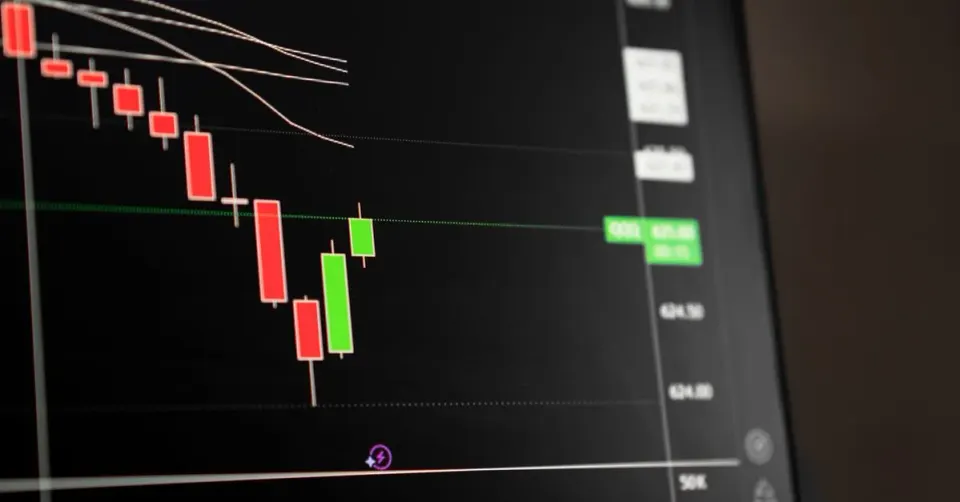
Global financial markets are currently witnessing what some are calling the 'Great AI Correction.' Nvidia, the poster child of the artificial intelligence boom, has clinched a streak of weekly losses not seen since the 2008 financial crisis, erasing a staggering $1.16 trillion in market value over just seven trading sessions. This sell-off has triggered a broader panic in the semiconductor sector, leading to a $2.3 trillion weekly wipeout for chip stocks. Investors are increasingly skeptical about the immediate profitability of massive AI investments, fearing that the sector has been overextended and is vulnerable to a prolonged downturn.
In the crypto space, the volatility is equally pronounced. US lawmakers have proposed a new incentive program for whistleblowers in prediction markets, offering rewards of 10% to 30% for reporting fraud in cases exceeding $1 million. This regulatory tightening, combined with the Senate's move to pass the 'Death Bets Act'—which bans prediction markets tied to death and war—has put significant pressure on the decentralized finance (DeFi) ecosystem. Locally, the Iranian market has seen a slight cooling: the USD/IRR rate moved from 272,900 to 271,500 (-0.5%), while Emami gold coins dropped by 3.2% to 242,000,000 Toman. Despite this minor dip, the underlying sentiment remains cautious as the global tech crash threatens to spill over into broader risk assets, including Bitcoin, which currently sits at $57,527.
Frequently Asked Questions
Why did Nvidia's stock crash so significantly this week?
What is the 'Death Bets Act' passed by the US Senate?
How has the Iranian gold market responded to global tech volatility?
Understanding Geopolitical Risk and Market Volatility
The recent news highlighting both tragic humanitarian costs in ongoing conflicts and a massive "wipeout" in the tech sector underscores a critical economic concept: Geopolitical Risk and Market Volatility. Geopolitical risk refers to the uncertainty and potential disruption to markets and economies stemming from political events, international relations, and conflicts. These events, ranging from wars and sanctions to shifts in global alliances like the BRICS expansion, create an environment of unpredictability that directly impacts investor confidence and the stability of financial systems worldwide.
When geopolitical tensions escalate, markets often react with significant volatility. Investors, seeking to protect their capital, may pull funds from riskier assets or regions, leading to sharp declines in stock markets, as suggested by the "semiconductor market wipeout" and "Nvidia crash" keywords. Supply chains, particularly for critical components like semiconductors, become vulnerable to disruption, affecting global production and profitability. Furthermore, currency exchange rates, such as the "USD IRR price," can experience extreme fluctuations as countries facing sanctions or political isolation see their currencies devalue, impacting trade and purchasing power.
The interplay between geopolitical events and market movements is complex. Sanctions, for instance, are a direct instrument of geopolitical pressure designed to impact a target country's economy, often leading to challenges in accessing global financial systems and fostering alternative mechanisms like "Emami coin" or "prediction market sanctions" to navigate these restrictions. Conversely, economic instability can exacerbate social unrest and contribute to further geopolitical instability. Understanding this feedback loop is crucial for comprehending how distant conflicts and political maneuvering can manifest as tangible financial losses and humanitarian crises across the globe.
Topics
Related Articles