Missiles Over Riyadh and Pezeshkian’s 'Silent War': Toman Gains 1% Amid Regional Escalation
شلیک موشک به قلب ریاض و هشدار «جنگ خاموش» پزشکیان؛ تداوم نوسان در سایه تنشهای منطقهای
Houthi rebels launched ballistic missiles at Riyadh as regional tensions spike, while President Pezeshkian warns of a 'silent economic war' more difficult than military conflict. Despite the chaos, the Toman saw a 1% recovery in early Saturday trading.
At time of publishing
USD
270,200
Toman
Gold 18K
23.15M
Toman / gram
Bitcoin
$57,935
US Dollar
Tether
270,990
Toman
Ballistic Missiles Over Riyadh: A Saturday Morning Escalation
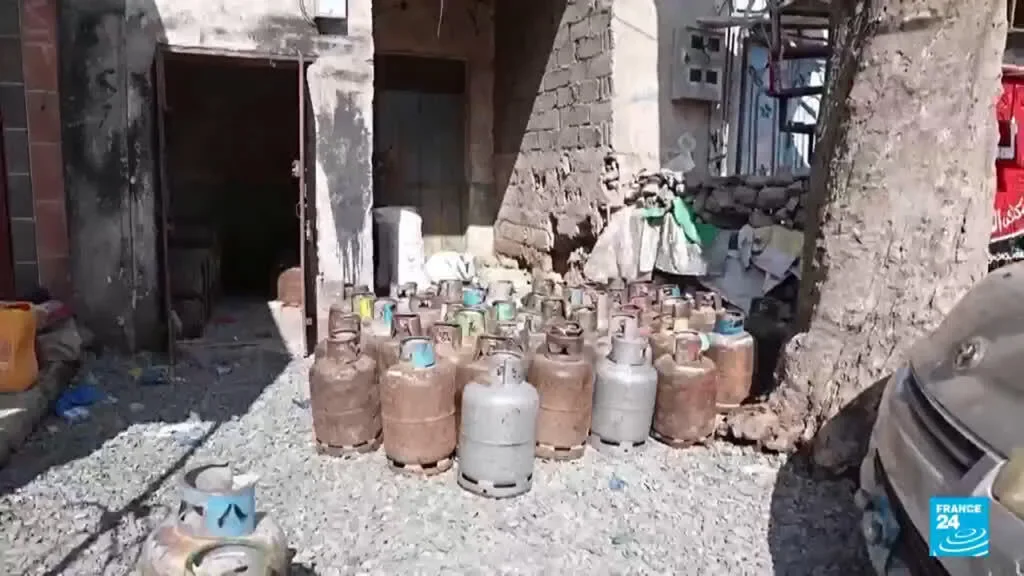
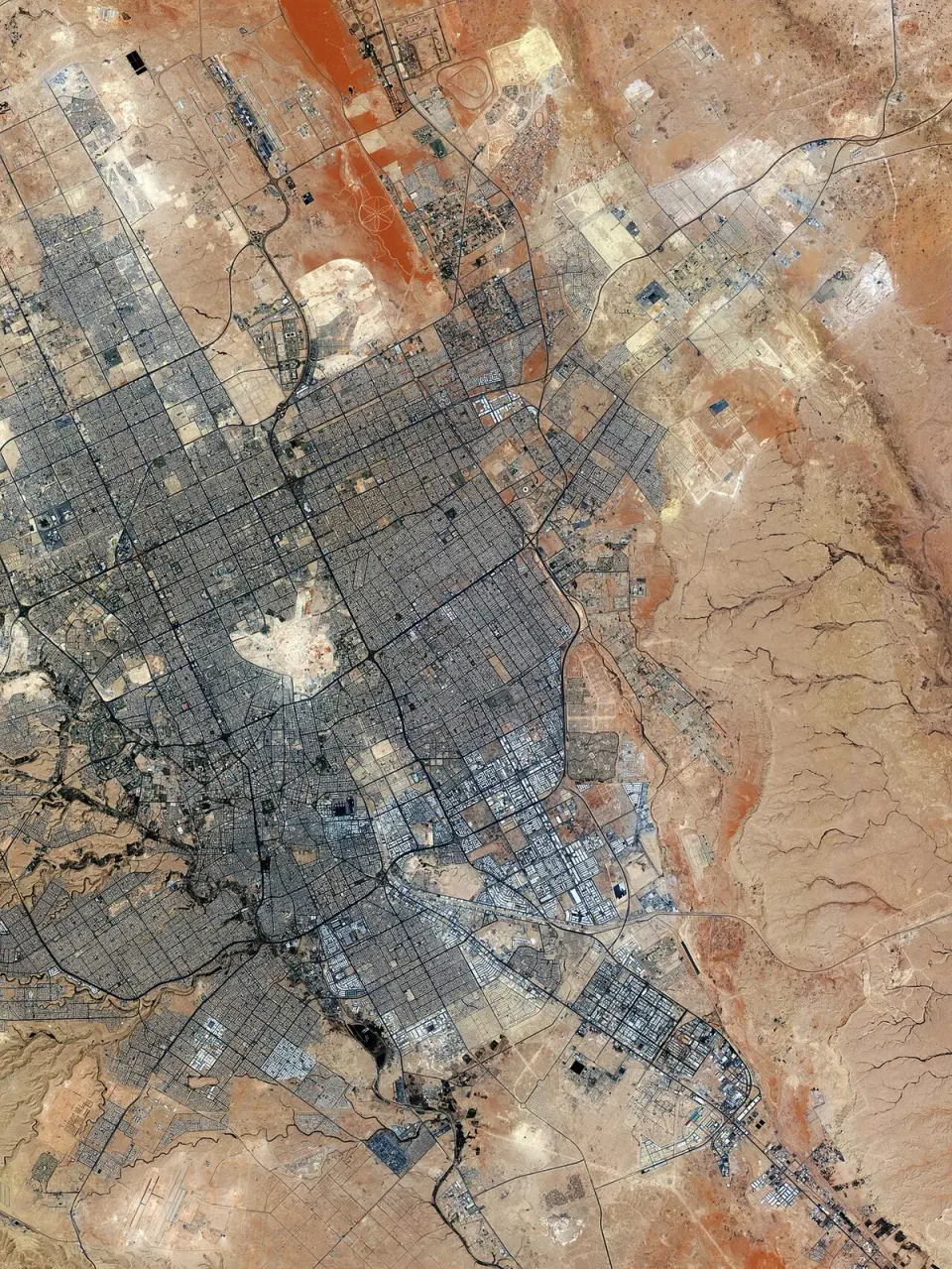
Regional stability faced a sharp test early Saturday as the Saudi-led coalition reported the interception of three ballistic missiles fired by Iran-backed Houthi rebels toward the Saudi capital, Riyadh. This latest strike marks a significant escalation in the ongoing tit-for-tat conflict, following recent Saudi-led aerial operations in Yemen. The timing is particularly sensitive, as global energy markets have been hovering in a narrow range, caught between a looming global oil surplus and the persistent risk of a supply disruption in the Middle East. While Brent crude remains well below its October highs, these direct attacks on a major financial and political hub like Riyadh inject a renewed 'risk premium' into regional assets.
For the Iranian market, this escalation is a double-edged sword. On one hand, regional instability typically drives capital toward safe havens like gold and US dollars; on the other, the specific targeting of Saudi infrastructure often leads to increased diplomatic pressure and sanctions on Tehran. Just hours before this attack, the US Treasury moved to sanction four individuals described as 'oil trustees' for Iran, further tightening the noose on the Islamic Republic's primary revenue stream. The persistence of these strikes suggests that despite back-channel diplomacy, the regional 'proxy war' is far from a ceasefire, keeping Iranian traders on edge as they weigh the possibility of a direct retaliatory response.
Pezeshkian’s 'Silent War' and the Toman’s Fragile Recovery
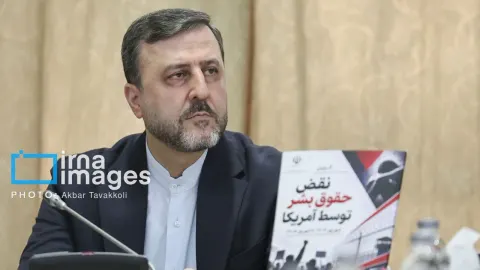
Amidst the regional firestorm, President Masoud Pezeshkian issued a stark warning to the Iranian public, characterizing the current economic climate as a "silent war" that is far more complex and difficult than a traditional military conflict involving missiles. Speaking in Tehran, Pezeshkian emphasized that the pressure of international sanctions and domestic structural failures requires a "collective effort" to overcome. This rhetoric appears to be an attempt to manage public expectations as the administration grapples with an inflation crisis that has pushed the price of basic goods and hard currency to historic levels. By framing the economy as a battlefield, the government is signaling that the road to stabilization will be long and painful.
Market data from Saturday, November 21, 2026, shows a slight cooling of the recent feverish rally. The USD sell rate moved from 272,900 to 270,200 Toman, a decline of 1.0%. Similarly, Emami gold coins saw a more pronounced drop of 3.4%, falling from 250,000,000 to 241,500,000 Toman. While some state-aligned media outlets may frame this as a victory for government intervention, most analysts view it as a temporary technical correction. When the President himself describes the situation as a war more difficult than a military one, it suggests that the underlying structural issues—ranging from a massive budget deficit to the isolation from global banking—remain unresolved.

Global Markets: Bitcoin’s Liquidity Squeeze and the AI Rout
In the broader financial world, the narrative is dominated by a deepening sell-off in both technology stocks and cryptocurrencies. Bitcoin has struggled to maintain its footing, sliding toward the $56,000 mark as a liquidity squeeze takes hold of the market. Currently trading at $57,935, the world’s largest cryptocurrency is on track for its longest weekly losing streak since May 2022. This downturn is largely attributed to a wider 'AI rout' in traditional markets, where investors are beginning to question the immediate profitability of massive artificial intelligence investments, leading to a flight from high-risk assets across the board.
This global 'risk-off' sentiment has a direct impact on Iranian investors who have increasingly turned to crypto as a hedge against the Toman's devaluation. As Bitcoin falls and the 'enshittocene'—a term used by tech critics to describe the degrading quality of digital services—deepens, the lack of clear direction from global financial leaders is prompting a move back to cash and physical supplies. In the US, reports indicate that tech outages and market volatility are even leading some to stockpile physical cash. For the Iranian reader, this global instability means that even if the Toman stabilizes briefly, the external environment remains hostile to growth, making diversified asset management more critical than ever.
Watch
Houthis launch strikes on Saudi Arabia • FRANCE 24 English
FRANCE 24 English
Frequently Asked Questions
Why did the price of the dollar decrease despite the missile attacks on Riyadh?
What does Pezeshkian mean by a 'silent economic war'?
Why is Bitcoin falling alongside traditional tech stocks?
The Paradox of Sanctioned Currencies: Why Geopolitical Tensions Can Strengthen the Toman
In conventional economics, heightened geopolitical tensions typically lead to a weakening of a nation's currency. Investors seek safer havens, capital flees, and the perceived risk of conflict erodes confidence in local assets. Yet, a recent headline noted the Iranian Toman gaining 1% amidst regional escalation. This counter-intuitive phenomenon highlights the complex and often paradoxical dynamics of currencies in heavily sanctioned economies.
One primary reason for such an anomalous movement is state intervention and capital controls. In economies like Iran, where market forces are heavily distorted by international sanctions, the central bank often plays a significant role in managing the exchange rate. This can involve direct intervention in the currency market, imposing restrictions on foreign exchange transactions, or even mandating the conversion of foreign currency earnings at official rates. Such measures, part of a broader "economic war" strategy, aim to stabilize the currency, control inflation, and project an image of economic resilience, even if it means overriding natural market pressures.
Furthermore, the unexpected strengthening could be a result of specific, often opaque, policy maneuvers. For instance, a temporary influx of foreign currency from non-sanctioned trade channels, a strategic release of previously frozen assets, or a deliberate tightening of domestic liquidity could temporarily boost the local currency's value. In an environment where external investment is restricted, domestic capital might also be forced to remain within the country, indirectly creating demand for local currency assets. These are not typical market reactions but rather reflections of a highly managed and often reactive economic policy.
Understanding these dynamics is crucial because it reveals that standard economic models do not always apply neatly to economies under severe sanctions. The interplay of geopolitical events, state-driven economic policies, and the constant pressure of sanctions creates a unique economic landscape where currency movements can defy conventional wisdom. The Toman's gain amidst regional conflict is less about market confidence and more about the intricate, often forceful, mechanisms employed to navigate a perpetual state of economic warfare.
This situation underscores the unique challenges faced by policymakers in sanctioned nations, who must constantly adapt their strategies to external pressures while trying to maintain internal stability. It also serves as a reminder that in such contexts, economic indicators can sometimes reflect political will and strategic maneuvering more than underlying market health.
Topics
Related Articles