Hormuz Standoff Intensifies: Blockade Deepens as US Navy Chief Resigns Amid Global Market Tension
بنبست در هرمز و زلزله در پنتاگون؛ استعفای ناگهانی وزیر نیروی دریایی آمریکا همزمان با تداوم انسداد تنگه
The Strait of Hormuz remains a global flashpoint as Iran declares a reopening 'impossible' under current ceasefire breaches, while the US Navy Secretary's sudden resignation adds a layer of chaos to the Pentagon's strategy.
At time of publishing
USD
154,050
Toman
Gold 18K
17.78M
Toman / gram
Market Open — Toman Holds Steady Amid Global Volatility
As of 09:30 Tehran time, the domestic market is showing a surprising level of resilience, or perhaps a collective 'holding of breath,' as geopolitical tensions reach a fever pitch. The US Dollar (USD/IRR) remains flat at 154,050 Toman, showing a 0.0% change over the last 24 hours. Similarly, the benchmark Gold 18k/gram is trading at 17,779,445 Toman, also holding a 0.0% delta. Emami coins are priced at 177,000,000 Toman, maintaining their level from yesterday's close.
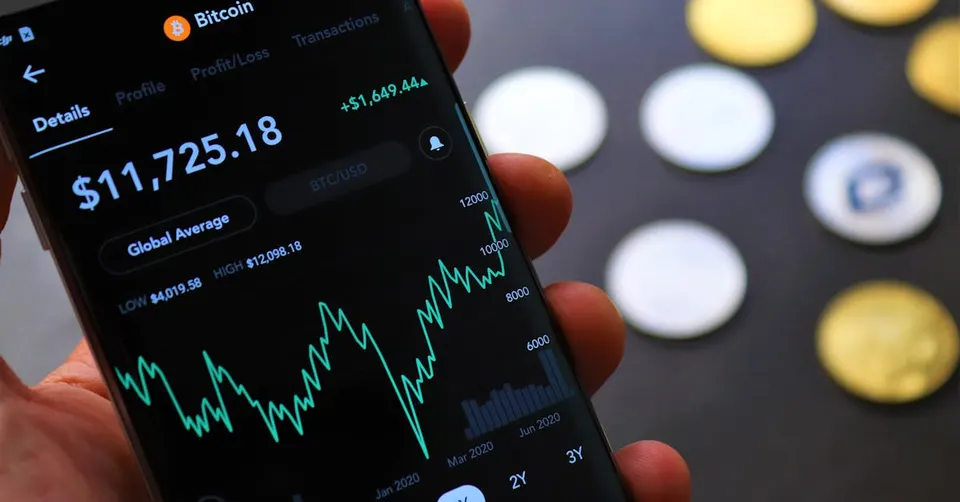
While the local currency remains static, the global context is anything but. Gold on the international market is trading at a staggering $4,715.60 per ounce, reflecting a massive flight to safety as investors hedge against the escalating conflict in the Middle East. Bitcoin, meanwhile, has hit a wall of profit-taking near the $80,000 mark. After reaching a high of $79,388, it has retreated to approximately $77,794, as traders de-risk following the latest news of naval escalations and political instability in Washington.
The Hormuz Blockade: A 'Flagrant Breach' and Seized Ships
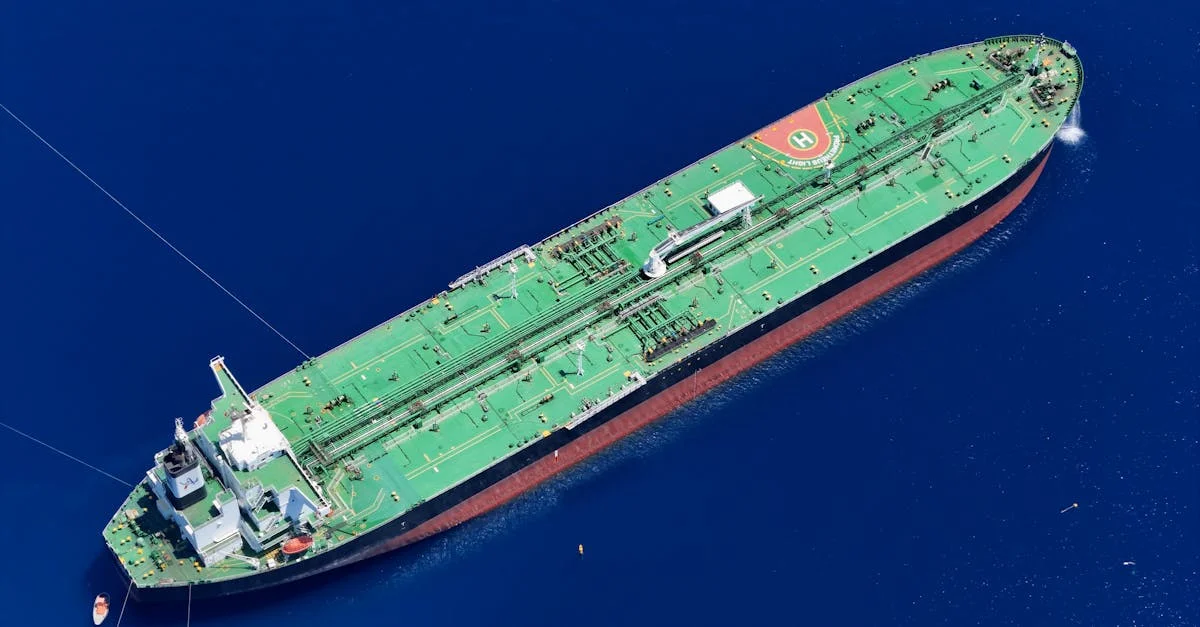
The situation in the Strait of Hormuz has shifted from a diplomatic standoff to a full-scale maritime blockade. Iranian Parliament Speaker Mohammad Bagher Ghalibaf stated overnight that reopening the world's most vital energy artery is 'impossible' as long as ceasefire agreements are being violated. This follows the IRGC's seizure of two additional vessels near the strait, a move Tehran frames as a response to the ongoing US naval blockade of Iranian ports. The Revolutionary Guards have already released footage of the operation, signaling that they are prepared to maintain this 'tit-for-tat' strategy indefinitely.

This escalation is not just a regional military concern; it is a direct threat to the global economy. With the strait effectively closed to normal traffic, insurance premiums for tankers have skyrocketed, and the physical flow of oil to Asia and Europe is being throttled. President Trump has claimed he is extending the ceasefire at Pakistan's request, but his administration's refusal to lift the port blockade has created a paradox that neither side seems willing to break. The 'stalemate' mentioned by the White House suggests that diplomatic channels are currently frozen, leaving the global energy market in a state of high anxiety.
For the average observer, this means the 'peace' everyone hoped for is incredibly fragile. The NYT reports that even as Trump claims to be negotiating, the US military is doubling down on its presence. This disconnect between the President’s rhetoric and the Pentagon’s actions is creating a vacuum of certainty, which is why we see gold prices at historic highs while local markets remain in a state of paralyzed waiting.
Pentagon Upheaval: The Navy Secretary's Sudden Exit
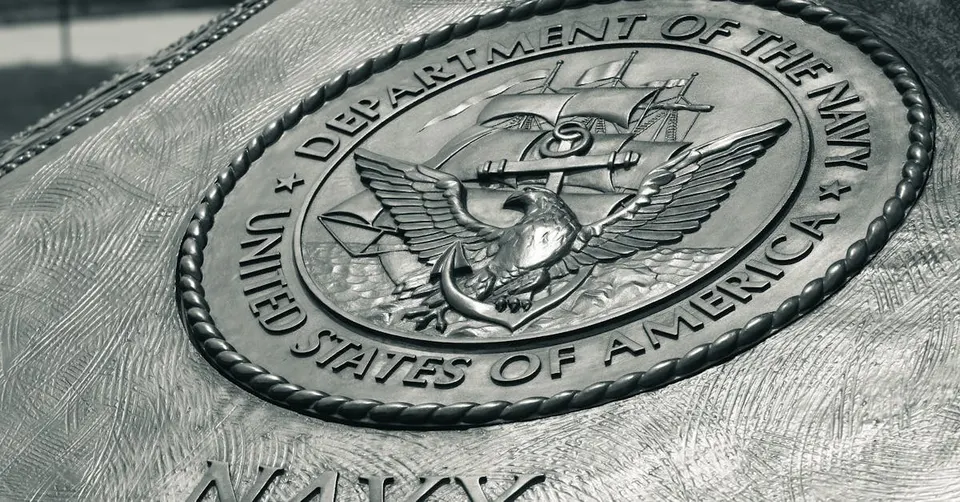
In a move that caught Washington and the world by surprise, the Pentagon announced that the US Navy Secretary is leaving his post 'effective immediately.' Such high-level resignations during an active naval blockade are almost unheard of and usually point to a profound disagreement over military strategy or direct orders from the White House. He is being replaced by his deputy, but the timing suggests a 'breaking point' within the administration’s handling of the Iran conflict.
This resignation comes as the US Senate prepares for its fifth attempt to pass a war powers resolution aimed at curbing President Trump’s authority to wage war against Iran. The internal friction is palpable; while Trump uses social media to claim he has 'saved' Iranian protesters—using images that experts have flagged as AI-manipulated—his military leadership appears to be struggling with the reality of a multi-front conflict that now includes targeted strikes in Lebanon and a potential collapse of European support.
For the first time in decades, we are seeing a 'unified opposition' in Europe against US policy. Both conservative and leftist European leaders are distancing themselves from Washington's approach, fearing that a protracted war in Iran will permanently weaken the Eurozone's economy. The exit of the Navy Secretary may be the first of many dominos to fall as the logistical and political costs of the blockade become unsustainable for the US military establishment.
Crypto Pullback: Bitcoin’s $80k Resistance and Cardano’s Pivot
In the digital asset space, the 'Trump Trade' seems to be cooling off as reality sets in. Bitcoin (BTC) flirted with the psychological milestone of $80,000 but failed to break through, settling back into the $77,000 range. This 0.4% daily gain hides a more volatile reality: major altcoins like Ethereum (ETH) and Solana (SOL) are seeing significant profit-taking. Investors who entered during the initial 'war-time rally' are now locking in gains, fearing that a prolonged blockade will eventually lead to a liquidity crunch in global markets.
Meanwhile, the Cardano (ADA) ecosystem is making strategic moves to survive a tighter economic environment. The engineering group behind the blockchain has requested a significantly smaller funding round for 2026—$46.8 million compared to nearly $100 million last year. This pivot toward 'Bitcoin DeFi' and scaling suggests that even the biggest players in crypto are bracing for a period of reduced capital flow. They are focusing on utility and integration with Bitcoin rather than speculative growth, a trend we expect to see across the entire tech sector this year.
What this means for you is a transition from 'hype' to 'hedging.' While the Toman hasn't moved today, the underlying global shifts in crypto and gold suggest that the current stability is temporary. If the Hormuz blockade continues through the weekend, the pressure on global supply chains will eventually force a revaluation of all risk assets. Stay liquid and stay informed.
Frequently Asked Questions
Why did the US Navy Secretary resign so suddenly?
What happens to oil prices if the Strait of Hormuz stays closed?
Why is the Toman stable despite the news of seized ships?
Is Bitcoin still a 'digital gold' during this conflict?
Safe‑Haven Assets: Why Gold and Bitcoin Surge During Geopolitical Tensions
When a flashpoint like the Strait of Hormuz threatens to disrupt oil shipments, investors scramble for assets that are expected to retain value despite market turmoil. These assets are called safe havens – investments that historically show low or negative correlation with risky assets such as equities. The classic example is gold, which has been used as a store of wealth for millennia because it is scarce, durable, and not tied to any single government’s fiscal policy.
In recent years, Bitcoin has entered the safe‑haven conversation. Although its price can be volatile, many market participants view it as a digital alternative to gold because it is decentralized, limited to 21 million coins, and can be transferred across borders instantly. During the 2022‑2023 geopolitical spikes—such as the Russia‑Ukraine war and heightened Iran‑U.S. tensions—Bitcoin’s price often rose alongside gold, reflecting a broader “flight‑to‑safety” mindset.
The mechanism behind these moves is simple: when investors fear supply chain disruptions, currency devaluation, or sudden spikes in oil prices (as a Hormuz blockade would cause), they shift capital out of risk‑on assets and into stores of value. This shift depresses equity markets and elevates demand for assets perceived as stable, pushing up their prices. The correlation is not perfect; Bitcoin can also act as a speculative rally, but the overall pattern is clear—geopolitical risk amplifies the safe‑haven premium.
Understanding this dynamic helps explain why, on the same day that the U.S. Navy chief resigned and the Hormuz standoff deepened, gold was trading near $4,700 per ounce and Bitcoin was hovering around a new high for April 2026. Both assets were absorbing the market’s anxiety, offering investors a hedge against the uncertainty of oil‑dependent economies.
For traders and policymakers alike, monitoring safe‑haven flows provides an early warning signal of how geopolitical events are being priced into global markets. It also underscores why diversifying into both traditional (gold) and emerging (cryptocurrency) safe havens can be a prudent risk‑management strategy.