Strait of Hormuz Flare-Up Tests US-Iran Ceasefire, Rattling Markets
تنش در تنگه هرمز، آتشبس ایران و آمریکا را به چالش کشید و بازارها را متلاطم کرد
Overnight, the fragile ceasefire between the US and Iran faced its most severe test yet after an exchange of fire in the Strait of Hormuz. While President Trump insists the truce holds, Tehran accuses Washington of targeting an oil tanker and coastal areas, sending ripples through global markets and prompting a slight rise in the dollar against the Toman. This escalation casts a shadow over regional stability and global economic confidence.
At time of publishing
USD
177,000
Toman
Gold 18K
20.16M
Toman / gram
Bitcoin
$79,485
US Dollar
Tether
17,802.1
Toman
Market Open
Good morning, Arzbin readers. The global risk landscape has shifted overnight, and our local markets are reflecting that immediate sensitivity. The U.S. Dollar opened higher against the Iranian Toman today, trading at 177,000 Toman, marking a +0.2% increase from yesterday's close. This upward pressure on the dollar is a direct echo of heightened geopolitical tensions, particularly the fresh flare-up in the Strait of Hormuz, which often translates into a flight to safety assets and currency strength in times of uncertainty.
In contrast, the precious metals market remained relatively stable, with Gold 18k/gram holding steady at 20,163,442 Toman and the Emami coin at 195,000,000 Toman, both showing a +0.0% change over the last 24 hours. This stability might indicate a wait-and-see approach from local investors in the gold market, perhaps anticipating further clarity on the regional situation before making significant moves.
Meanwhile, the cryptocurrency market, often a bellwether for risk appetite, saw Bitcoin trading around $79,485. While no 24-hour delta was provided for BTC, it has slipped from its earlier high of $81,500, with broader crypto futures markets experiencing negative funding rates – the longest streak in a decade. This retreat in crypto valuations underscores how swiftly global geopolitical developments can cool speculative enthusiasm and prompt caution across diverse asset classes, highlighting the interconnectedness of our financial world.
Strait of Hormuz Flare-Up Tests US-Iran Ceasefire
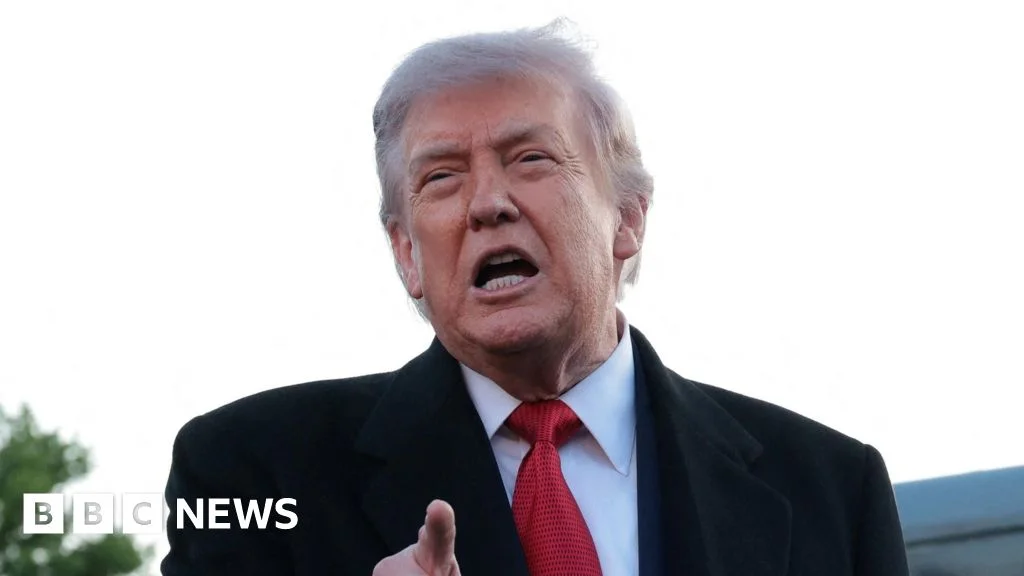
Overnight, the fragile ceasefire between the United States and Iran faced its most severe test yet, with reports of an exchange of fire in the strategically vital Strait of Hormuz. President Trump, despite the escalation, asserted that the month-long truce remains in place. However, Tehran swiftly countered, with the spokesperson for the IRGC's Khatam al-Anbiya Central Headquarters, Ebrahim Zolfaqari, vehemently accusing the U.S. of violating the ceasefire by targeting an Iranian oil tanker and another vessel, alongside conducting aerial assaults on civilian areas in southern Iran. Conversely, the U.S. military stated it struck Iranian military targets in response to alleged Iranian firing on U.S. warships in the Strait.
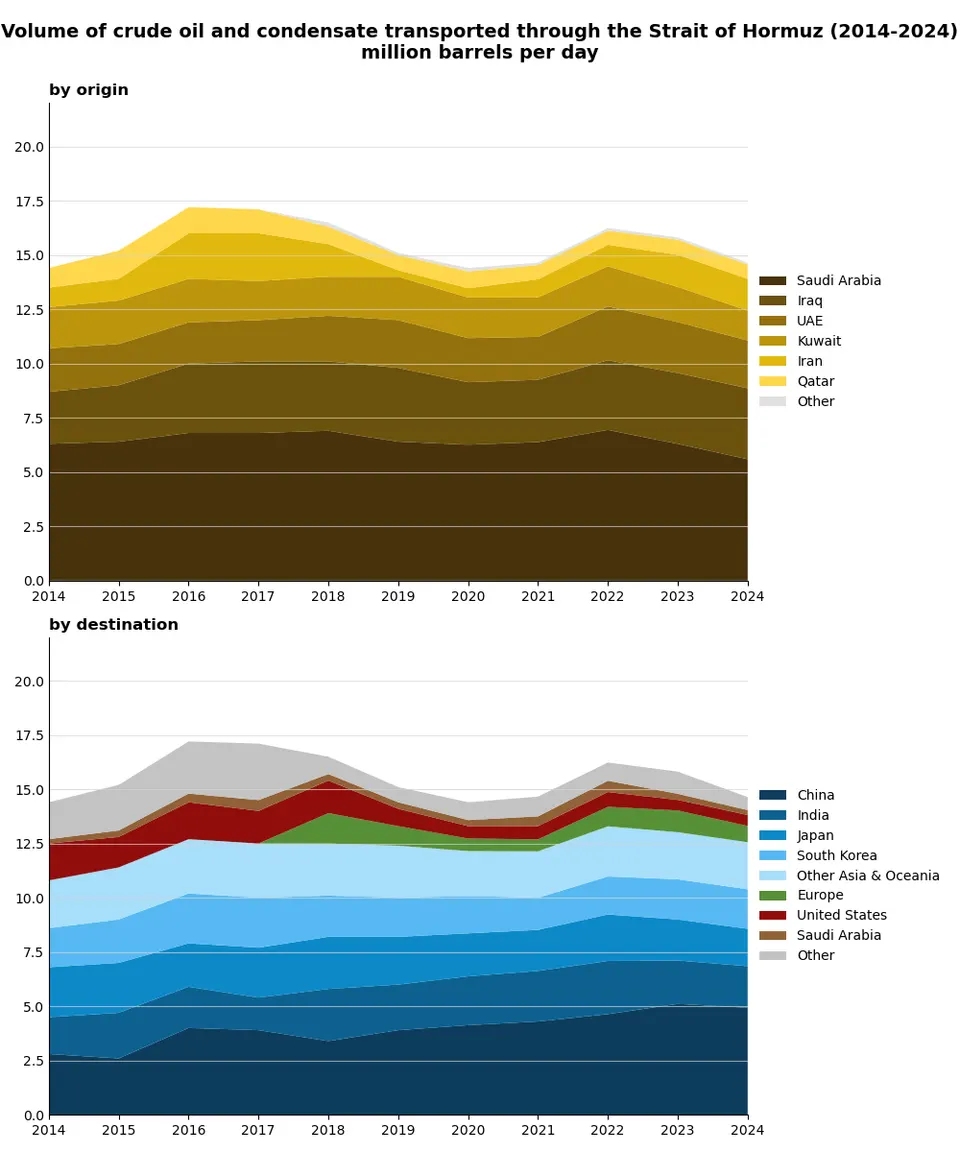
This incident marks the most serious confrontation since the ceasefire took effect in early April, immediately sending jitters across global energy markets. The conflicting narratives from Washington and Tehran highlight the deep mistrust and the precarious nature of the current détente. The U.S. claims defensive action against perceived aggression, while Iran alleges unprovoked attacks on its sovereign assets and territory. The Strait of Hormuz, a critical chokepoint for roughly a fifth of the world's total oil consumption, means any military activity here is instantly scrutinized for its potential to disrupt global supply lines and elevate geopolitical risk premiums.
The immediate implication for global markets, especially oil, was a sharp increase in prices in early Asian trading, reflecting fears of potential disruptions. For our readers in Iran, this directly translates into heightened economic uncertainty and potential further pressure on the Toman, as such geopolitical tensions often lead to increased demand for hard currency. Beyond the immediate market impact, this flare-up severely complicates any prospects for a more lasting resolution or de-escalation, deepening the chasm of distrust between the two nations and raising the specter of a wider, more destabilizing conflict in the region.
Frequently Asked Questions
What exactly happened in the Strait of Hormuz overnight?
How did this incident impact global oil prices?
What is the significance of China's 'Giant With a Limp' assessment of the U.S. military?
What are the implications of the UK local election results for British politics?
How does geopolitical tension in the Strait of Hormuz specifically affect the USD/IRR exchange rate?
Topics
Related Articles