The 'Ahmadinejad Plot' Revealed: Inside the Alleged Israeli Plan for Regime Change in Tehran
افشای طرح محرمانه اسرائیل برای بازگرداندن احمدینژاد؛ زلزله سیاسی در تهران و بازارهای جهانی
A shocking report claims Israeli strikes aimed to install Mahmoud Ahmadinejad as Iran's leader, while the UK loosens Russian oil sanctions amidst a tightening Hormuz blockade. As Trump issues a weekend ultimatum, the global energy and political landscape faces an unprecedented week of volatility.
At time of publishing
USD
178,900
Toman
Gold 18K
19.48M
Toman / gram
Bitcoin
$77,111
US Dollar
Tether
17,820.6
Toman
Market Open — The Calm Before the Storm
As of 09:30 Tehran time, the domestic markets are holding a tense breath. The US Dollar (USD/IRR) is currently trading at 178,900 Toman for selling and 177,841 Toman for buying, showing a 0.0% change over the last 24 hours. While the stability suggests a temporary equilibrium, the underlying geopolitical friction suggests this is merely the eye of the storm. Gold prices remain equally static on paper, with 18k gold at 19,476,660 Toman per gram and the Emami coin holding firm at 191,000,000 Toman.
However, the global context is far more volatile. Bitcoin has climbed to $77,111, reflecting a broader flight to digital assets as traditional currency markets in the region brace for potential shocks. In the gold market, the global ounce is trading at a staggering $4,473.80, a clear indicator that international investors are hedging heavily against a major conflict. For the Iranian reader, this means that while the local exchange rate hasn't moved since yesterday, the pressure on the Toman is mounting from every external angle.
The Ahmadinejad Bombshell: A Regime Change Plot?
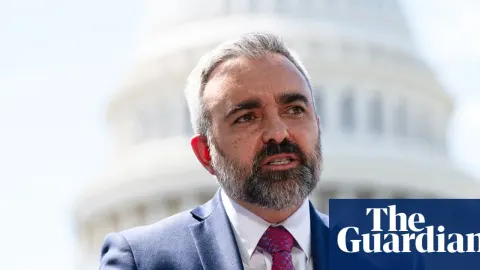
In what can only be described as the most explosive geopolitical revelation of the year, a New York Times report has detailed an alleged Israeli plan to forcibly install former President Mahmoud Ahmadinejad as Iran’s leader. According to U.S. officials, recent Israeli strikes were specifically designed to facilitate Ahmadinejad’s escape from house arrest in Tehran. The objective, the report claims, was to catalyze a hardline regime change that would disrupt the current power structure from within. This news has sent shockwaves through the diplomatic corridors of the Middle East, as it suggests a level of tactical interference previously thought impossible.
For the average Iranian citizen and market participant, this news is a double-edged sword. On one hand, it highlights the extreme fragility of the current status quo; on the other, it introduces a massive variable of domestic instability. If the public perceives a genuine threat to internal security or a foreign-backed coup attempt, we can expect a rapid flight from the Toman into hard assets like gold and USDT. The psychological impact of seeing a former president’s name linked to such a plot cannot be overstated, and it will likely dominate the narrative in the bazaars for weeks to come.
Global Energy Panic: UK Loosens Russian Sanctions
In a move that highlights the desperation of the global energy market, the United Kingdom has officially loosened sanctions on Russian oil. This policy reversal comes as fuel prices skyrocket due to the effective blockade of the Strait of Hormuz. The British government has issued waivers to ensure fuel supplies, effectively prioritizing domestic economic stability over geopolitical posturing against Moscow. This is a clear signal that the disruption in the Persian Gulf is hitting Western economies harder than anticipated, forcing them to make uncomfortable concessions to Russia.
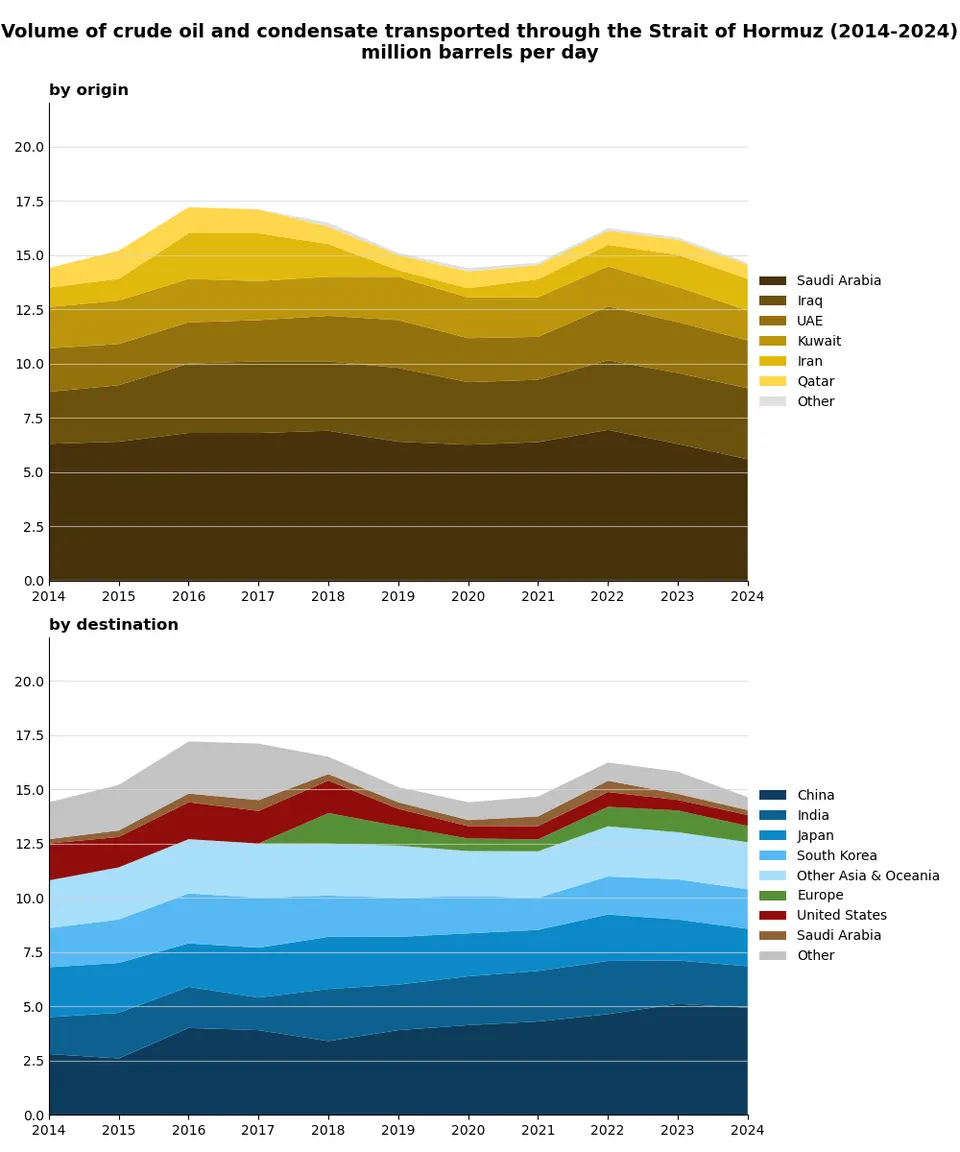
This development is critical for Iranian readers because it underscores the leverage—and the danger—of the current maritime situation. As the Strait of Hormuz remains a flashpoint, the global price of oil is no longer just a statistic; it is a weapon. The NSW economy in Australia is already warning of a slowdown due to this "global oil shock," and if the UK is forced to buy Russian oil to keep its lights on, the pressure on Iran to either resolve the blockade or face escalating military intervention will reach a boiling point. For now, the market is pricing in a long-term disruption.
Trump’s Weekend Deadline and the Senate’s Brake
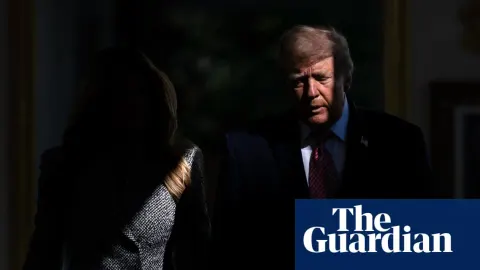
Donald Trump has upped the ante by giving Iran until the coming weekend to reach a deal to end the current conflict, or face a resumption of intense bombing campaigns. Trump claimed he was "one hour away" from ordering a strike yesterday but held back after reports of progress in negotiations. This brand of high-stakes brinkmanship is designed to force a quick capitulation, but it has also triggered a defensive reaction within the US government. The US Senate is currently advancing a resolution, sponsored by Senator Tim Kaine, to curb Trump’s war powers and prevent an unauthorized escalation into a full-scale war.
What does this mean for your wallet? We are entering a 72-hour window of extreme sensitivity. If the weekend passes without a deal, the market reaction on Sunday morning in Tehran could be historic. Conversely, if the Senate successfully restricts the President's ability to act unilaterally, we might see a slight cooling of the "war premium" currently baked into the price of gold and the dollar. Investors should keep a close eye on the news from Washington as much as the news from Tehran, as the next few days will determine the trajectory of the Iranian economy for the rest of the year.
Frequently Asked Questions
Is the report about Ahmadinejad and Israel credible?
Why did the UK loosen sanctions on Russian oil despite the war in Ukraine?
How will Trump's weekend deadline affect the USD/IRR rate?
Topics
Related Articles