The ‘Achilles Heel’ Strategy: Why Regional Tensions and Oil Skepticism Are Dominating the Morning Market
استراتژی «پاشنه آشیل»: چرا تنشهای منطقهای و تردیدهای نفتی بر بازار صبحگاهی سایه افکندهاند؟
Global markets are navigating a complex web of skepticism over a US-Iran deal and a shifting geopolitical landscape in the Gulf. As oil prices surge past $104, analysts warn of a strategic 'war against the global economy' targeting regional financial hubs.
At time of publishing
USD
179,500
Toman
Gold 18K
19.79M
Toman / gram
Bitcoin
$77,420
US Dollar
Tether
17,929.429
Toman
Market Open — Friday, May 22, 2026
The Tehran market opens this morning with a sense of cautious stability in local currency terms, contrasting sharply with the volatility seen in global energy and commodity sectors. The US Dollar (USD) is holding steady, with sell rates at 179,500 Toman and buy rates at 178,438 Toman, representing a 0.0% change over the last 24 hours. This stagnation suggests that while global tensions are rising, the domestic market is currently in a 'wait-and-see' mode, perhaps anticipating further clarity on the geopolitical front before making its next major move.
In the gold and coin sector, we see a similar pattern of sideways trading. 18-karat gold is priced at 19,788,540 Toman per gram, showing no percentage change from yesterday. The Emami coin remains at 192,000,000 Toman. However, the global context is far more aggressive; gold on the international market is trading at a staggering $4,519.70 per ounce, and Bitcoin is hovering near $77,420. The disconnect between local price stability and global upward pressure is a narrative of suppressed demand and tight liquidity within the Iranian financial system.
The ‘Achilles Heel’ of Global Trade: UAE-Israel Ties and Iran’s Shadow
A significant shift in regional dynamics is unfolding as the relationship between the UAE and Israel moves into a phase of 'cold pragmatism.' According to Dr. Andreas Krieg of King’s College London, this partnership is no longer just about diplomatic optics but is deeply rooted in defense and technological integration. The UAE has positioned itself as the most hyperconnected country in the Middle East—a hub for finance, trade, and data. However, this very connectivity is what Krieg describes as the 'Achilles heel' of the international system, making it a prime target for strategic pressure.

For the Iranian reader, this matters because the regional strategy appears to be shifting toward economic leverage. If Tehran views the Gulf’s logistical infrastructure as a vulnerability, any escalation in regional friction could directly impact the flow of goods and capital through Dubai—Iran’s primary gateway for re-exports and informal trade. The 'pragmatic' nature of the UAE-Israel defense ties suggests a long-term hardening of regional blocs, which may lead to tighter monitoring of financial flows and a more challenging environment for Iranian businesses operating out of the Emirates.
This geopolitical realignment is occurring just as the US-Israel-Iran triangle reaches a boiling point. With Israel’s internal coalition facing potential collapse and new elections looming, the stability of the current regional security architecture is being tested. The intersection of Israeli political instability and the UAE's deepening tech-defense ties creates a volatile mix that could redefine trade routes and sanctions enforcement in the coming months.
Oil Markets Surge as ‘Deal Skepticism’ Sets In
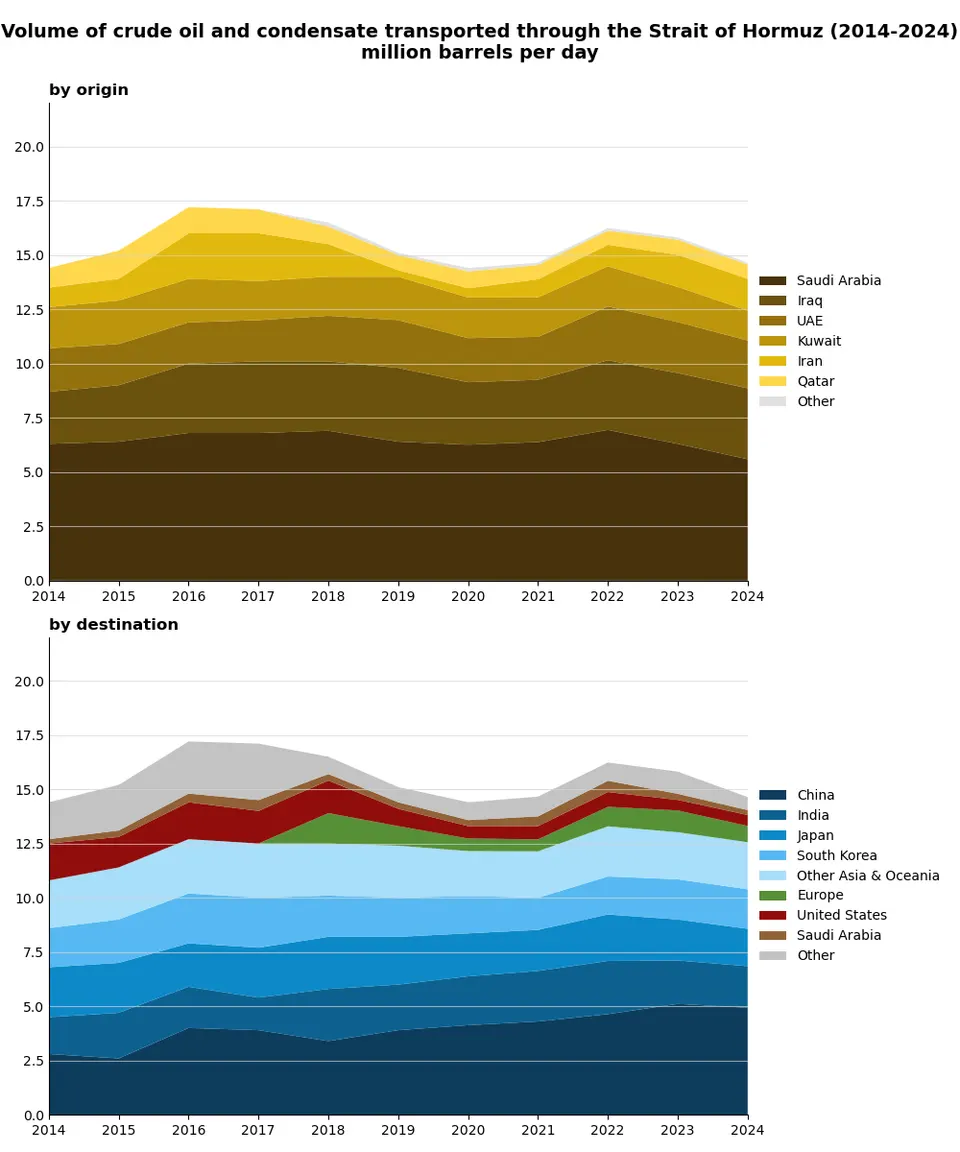
Energy markets are reacting sharply to the fading hopes of a diplomatic breakthrough between Washington and Tehran. Brent crude futures have climbed to $104.80, a 2.13% increase, while WTI has risen to $97.99. This price action follows a brief period of optimism where traders had priced in the possibility of a renewed nuclear deal or a sanctions-easing agreement. However, as the major sticking points remain unresolved, the market is quickly reverting to a risk-premium model, fearing that Iranian supply will remain restricted for the foreseeable future.
The skepticism is compounded by recent diplomatic friction. Iran has officially condemned the latest round of US sanctions targeting its ambassador in Lebanon and several Hezbollah-affiliated officials, labeling them a violation of international law. This exchange of diplomatic fire suggests that the 'war of nerves' is far from over. For the Iranian economy, higher oil prices are a double-edged sword: while they theoretically increase potential national revenue, the inability to access global banking systems and the continued pressure on the Rial (USDT at 17,929 Toman) mean that these gains are difficult to realize at the street level.
Furthermore, Saudi Arabia's falling oil exports to Asia—reaching historic lows—indicate a broader shift in global energy flows. As major buyers like China and Japan cut their nominations for Saudi crude, the competition for market share in the East is intensifying. Iran’s role in this 'energy chess game' remains pivotal; if a deal remains elusive, the global economy must grapple with sustained high energy costs, which in turn fuels inflation and keeps the pressure on emerging market currencies like the Toman.
Britain’s Bond Crisis vs. The Bitcoin Reserve Push
In the West, two contrasting financial narratives are competing for dominance. In the United Kingdom, the bond market is exerting immense pressure on policymakers, with rising yields signaling a lack of confidence in fiscal management. This 'Britain vs. Bonds' battle is a cautionary tale of how quickly market sentiment can turn against sovereign debt when growth remains sluggish and inflation persistent. For global investors, the volatility in the UK's Gilt market is a sign of broader instability in the traditional fiat system, which often drives capital toward alternative assets.
Simultaneously, in the United States, a new legislative push is gaining momentum: the American Reserve Modernization Act (ARMA) of 2026. This bill proposes the creation of a Strategic Bitcoin Reserve, requiring the government to hold Bitcoin for at least 20 years. This move, aimed at hedging against national debt, has provided a floor for Bitcoin prices, which are currently trading near $77,420 despite recent liquidations. The legislative recognition of Bitcoin as a strategic asset marks a turning point in how global powers view digital scarcity.
For those in Iran following the crypto markets, this represents a major shift in the 'institutionalization' of Bitcoin. As traditional bond markets face crises of confidence, the narrative of Bitcoin as 'digital gold' is being codified into law in the world's largest economy. This suggests that the current support level near $75,000 is likely to hold, as analysts eye a potential rally toward the $80,000 milestone. The divergence between the 'old' world of sovereign debt and the 'new' world of digital reserves is the defining financial story of 2026.
Frequently Asked Questions
Why is oil rising despite talk of a US-Iran deal?
What is the 'Achilles Heel' strategy mentioned in the briefing?
Is the US really creating a Strategic Bitcoin Reserve?
Why is the USD/IRR rate stable while global markets are volatile?
Topics
Related Articles