
Global Energy Shock: War Premium Hits Household Bills as Gold Nears $4,500 and Toman Holds at 173,000
شوک جهانی انرژی؛ افزایش هزینههای معیشت در پی تنشها و پایداری دلار در مرز ۱۷۳ هزار تومان
As the global impact of regional conflict drives energy bills to record highs, Tehran's markets open with a tense stability. While Gold surges toward $4,500 globally, local currency holds its breath at 173,000.
At time of publishing
USD
173,000
Toman
Gold 18K
18.77M
Toman / gram
Bitcoin
$75,647
US Dollar
Tether
172,104
Toman
Market Open — Tense Stability in Tehran
The Tehran market opened this Wednesday morning, May 27, 2026, with a surprising lack of immediate volatility, despite the heavy geopolitical headlines swirling overnight. The US Dollar (USD/IRR) is currently trading at 173,000 Tomans for sellers, showing a flat 0.0% change over the last 24 hours. This plateau suggests a tactical "wait-and-see" approach from major traders who are balancing the risks of regional escalation against the central bank's persistent intervention efforts. The market is currently in a state of high-tension equilibrium, where any sudden news could break the 173k resistance.
Gold prices followed a similar pattern of local stability despite a massive rally in international markets. 18-karat gold is priced at 18,774,874 Tomans per gram, and the Emami coin remains at 183,000,000 Tomans, both showing no change since yesterday. While the global ounce has surged to an eye-watering $4,496.20, the local currency's lack of movement has kept gold prices from exploding further this morning. However, the underlying tension is palpable as global energy prices begin to price in a long-term conflict premium.
The Global Cost of Conflict: Energy Bills and the War Premium
The most significant story overnight comes from a stark warning by energy regulators regarding the "Iran war impact." Millions of households are now facing an average increase of £221 per year in their energy bills due to the disruption of global supply chains and the heightened risk in the Middle East. This isn't just a British problem; it is a global inflationary signal. When energy costs rise in Europe and the West, it ripples through the global economy, eventually increasing the cost of imported goods and machinery for Iranian businesses, further straining the domestic economy.

This spike is driven by the realization that the current geopolitical friction is not a temporary blip but a structural shift in energy security. Markets are now pricing in the long-term absence of traditional supply routes. For Iranian readers, this means that while oil prices are high, the "war discount" and the difficulty of insurance and shipping are eatting into the national profit margins. The global community is bracing for a "new normal" where energy is a weapon of statecraft, leading to a permanent increase in the cost of living across both hemispheres.
The Hormuz Chokepoint: India’s Strategic Pivot
Geopolitical maps are being redrawn as the Strait of Hormuz remains "de facto closed" to major international traffic. India, the world’s third-largest crude importer, has significantly accelerated its efforts to diversify away from Middle Eastern oil. Overnight reports indicate that New Delhi is turning aggressively toward Russia, Brazil, and Venezuela to fill the void. For decades, India was one of the most reliable customers for regional oil; however, the persistent risk of maritime seizures and the closure of the chokepoint have forced a historic shift in their energy policy.
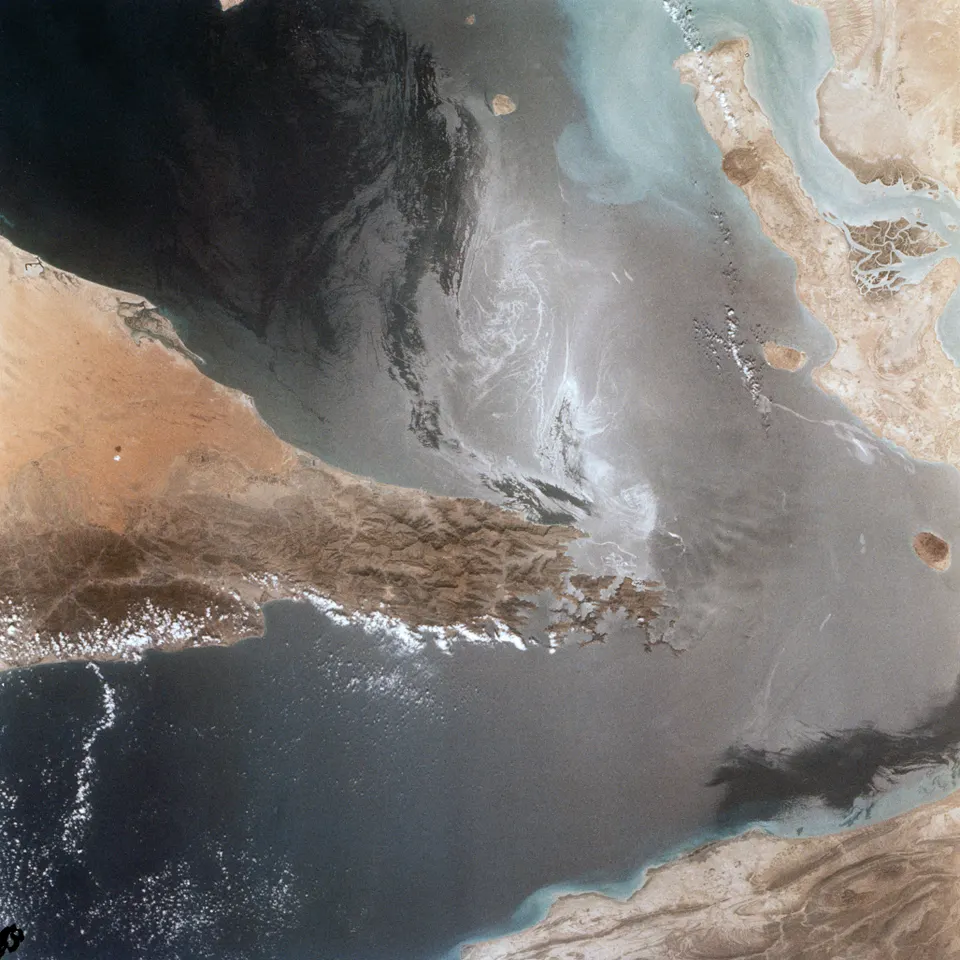
What does this mean for the Iranian economy? As primary buyers like India establish long-term contracts with South American and Russian suppliers, the competition for the remaining "shadow market" becomes even more fierce. This pivot could lead to a long-term loss of market share that may not be easily recovered even if tensions subside. The shift illustrates a broader trend: the world is learning to bypass the Persian Gulf, a move that could have profound implications for the Toman’s long-term value and the government's foreign exchange reserves.
Safe Havens Shift: Gold Shines as Bitcoin’s Momentum Stalls
In the financial markets, a clear divergence has emerged between traditional and digital safe havens. Gold has hit a staggering $4,496.20 per ounce, driven by strong inflows into precious metals ETFs as investors flee geopolitical uncertainty. Meanwhile, Bitcoin’s three-month uptrend against gold has officially snapped. BTC is currently sliding near the $75,000 mark, struggling to maintain its "digital gold" narrative in the face of a technical "golden cross" that hasn't yet yielded the expected breakout.
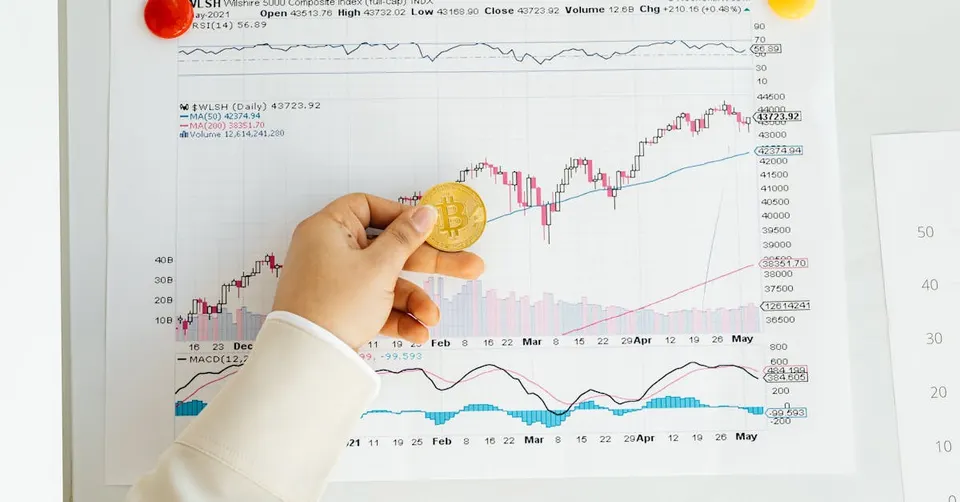
Adding to the unease in the crypto world, the founder of OpenZeppelin has issued a startling warning, stating he now considers "all of DeFi" to be unsafe for retail users. For many in Iran who use Decentralized Finance to bypass banking sanctions, this is a critical warning. The combination of technical breakdowns in BTC’s price action and security concerns in the DeFi ecosystem is pushing capital back toward physical gold. As we head into the afternoon session, the question remains: will Bitcoin find support at $75k, or will the flight to gold continue to drain liquidity from the crypto markets?
Frequently Asked Questions
Why is the Toman stable despite the global gold and energy rally?
What are the risks of using DeFi platforms right now?
How does India's move to Russian and Brazilian oil affect Iran?
War Risk Premium: Why Conflicts Inflate Energy and Gold Prices
When a geopolitical flashpoint erupts—whether it’s a naval skirmish in the Strait of Hormuz or a broader regional war—commodity markets react almost instantly. Traders add a war risk premium to the price of oil, gas, and even safe‑haven assets like gold to compensate for the heightened probability of supply disruptions, higher insurance costs, and the uncertainty of future demand. This extra margin is not a permanent feature of the market; it rises and falls with the perceived intensity and duration of the conflict.
The war risk premium works like an insurance surcharge. Shipping companies demand higher freight rates to cover the chance of vessels being attacked or delayed, while insurers raise premiums for cargo and hull coverage. Those higher costs are passed on the supply chain, ultimately showing up in household electricity bills, gasoline prices, and the cost of imported goods. In Iran, where the rial is already under pressure, a surge in oil and gold prices can accelerate inflation and force the central bank to intervene, often by tightening monetary policy or adjusting foreign‑exchange controls.
Gold behaves differently but is linked by the same logic. As investors flee the volatility of equity markets, they flock to gold as a store of value, pushing its price upward. The recent approach toward $4,500 an ounce reflects both the war risk premium on oil (which raises production costs for gold mining) and the broader “flight‑to‑safety” sentiment. Consequently, the premium amplifies the cost of living not just through energy bills but also through higher prices for consumer electronics, jewelry, and even the valuation of cryptocurrencies that are often compared to gold.
Understanding the war risk premium helps explain why seemingly distant conflicts can have immediate effects on exchange rates—like the Iranian toman hovering around 173,000 per USD—and on markets far from the battlefield, such as India’s push to diversify oil sources. Policymakers and investors watch these premiums closely, as they signal when to expect price spikes and when the market may be over‑reacting.
For anyone tracking household budgets or national economic policy, recognizing the war risk premium is essential: it is the invisible cost that turns geopolitical tension into a tangible financial burden for everyday consumers.
Topics
Related Articles