Trump’s 'Peace' Gamble: The High-Stakes Drama Behind the Draft Deal to Reopen the Strait of Hormuz
قمار «صلح» ترامپ: درام پشتپرده طرح توافق برای بازگشایی تنگه هرمز
As Washington and Tehran dance around a draft peace agreement, the global energy market holds its breath. While Trump signals a deal is near, the reality on the ground—and the legal standoff at the UN—suggests a much more complex road ahead for the Strait of Hormuz.
At time of publishing
USD
172,600
Toman
Gold 18K
18.84M
Toman / gram
Bitcoin
$73,559
US Dollar
Tether
173,000
Toman
Market Open — The Calm Before the Geopolitical Storm
Good morning from the Arzbin editorial desk. On this Friday morning, the Iranian markets appear to be in a state of suspended animation, reflecting the profound uncertainty coming out of Washington and New York overnight. The US Dollar (USD/IRR) is holding steady at 172,600 Toman, showing a 0.0% change over the last 24 hours. This stagnation is a classic sign of a 'wait-and-see' approach among major traders, as the conflicting signals regarding a potential US-Iran ceasefire have paralyzed short-term speculation.
Gold and coin markets are mirroring this caution. The 18k gold gram is priced at 18,841,128 Toman, and the Emami coin remains at 184,000,000 Toman, both recording a 0.0% delta. Meanwhile, in the digital asset space, Bitcoin is struggling to break past the $74,000 resistance level, currently trading at $73,559. Despite record highs in global equity markets, crypto remains on the sidelines, waiting for a definitive regulatory or geopolitical catalyst to break the current range.
The 'Boy Who Cried Peace' — Trump’s Erratic Diplomacy
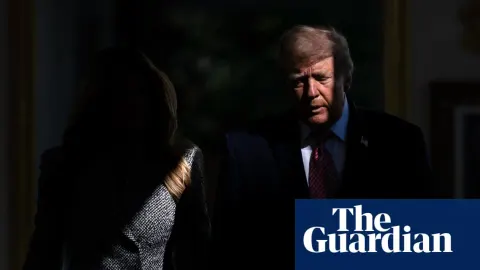
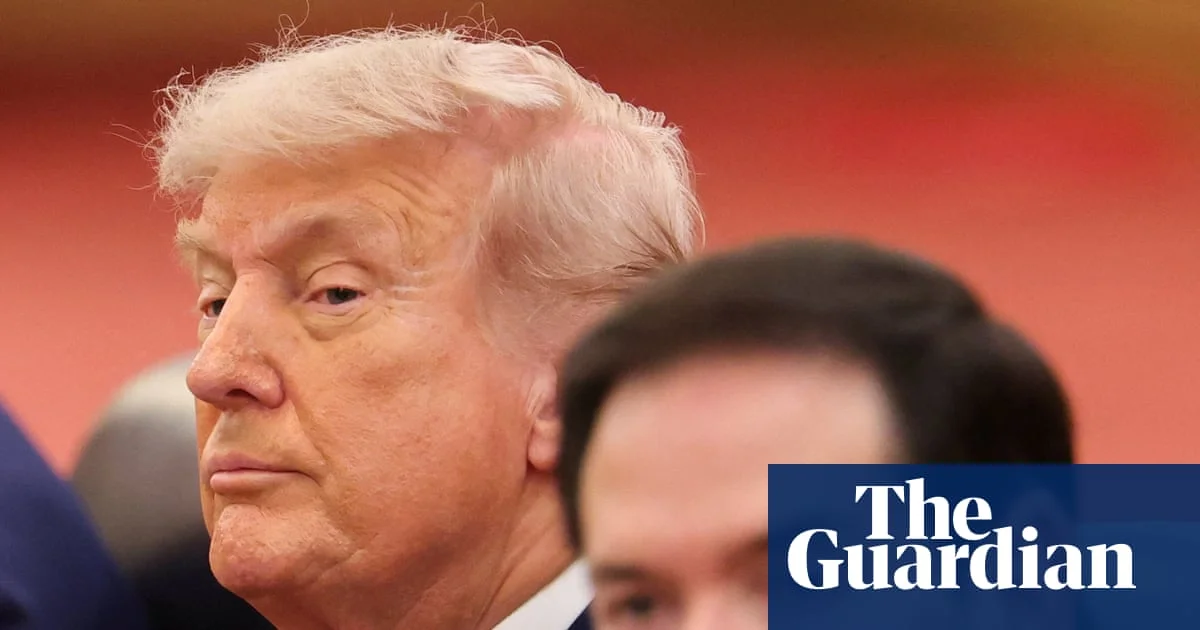
The most significant story overnight comes from a deep dive into Donald Trump’s recent diplomatic maneuvers. According to reports and analysis from experts like Ali Vaez of the International Crisis Group, we are witnessing a phenomenon described as the 'boy who cried peace.' Over the past week, the White House has oscillated between claiming a deal is 'largely negotiated' and launching targeted strikes in Southern Iran. This whiplash strategy has left allies and adversaries alike wondering whether there is a coherent plan or if we are merely seeing tactical volatility designed to extract concessions.

This erratic behavior has direct consequences for the Iranian economy. When Trump circulates a draft peace agreement among allies, as he did on Thursday, it creates a temporary floor for the Toman. However, the lack of a signature and the subsequent military posturing prevent any real recovery. For the Iranian reader, this means that while the 'big crash' might be averted for now, the path to normalization remains blocked by a President who views unpredictability as his greatest asset. The 'Archive' of Trump's statements shows a pattern: talk of peace often precedes a demand for a 'better' deal, keeping the markets in a perpetual state of high-alert.
Closing In on the Strait — The Draft Plan on the Table
Despite the noise, there is substantive movement behind the scenes. New reports from the New York Times indicate that U.S. and Iranian officials are 'closing in' on an arrangement specifically designed to reopen the Strait of Hormuz. This is the single most important economic artery for the region, and its partial closure has sent global LNG and oil markets into a frenzy. The emerging framework, which President Trump has yet to officially sign off on, focuses on a preliminary ceasefire extension and a phased reopening of shipping lanes.
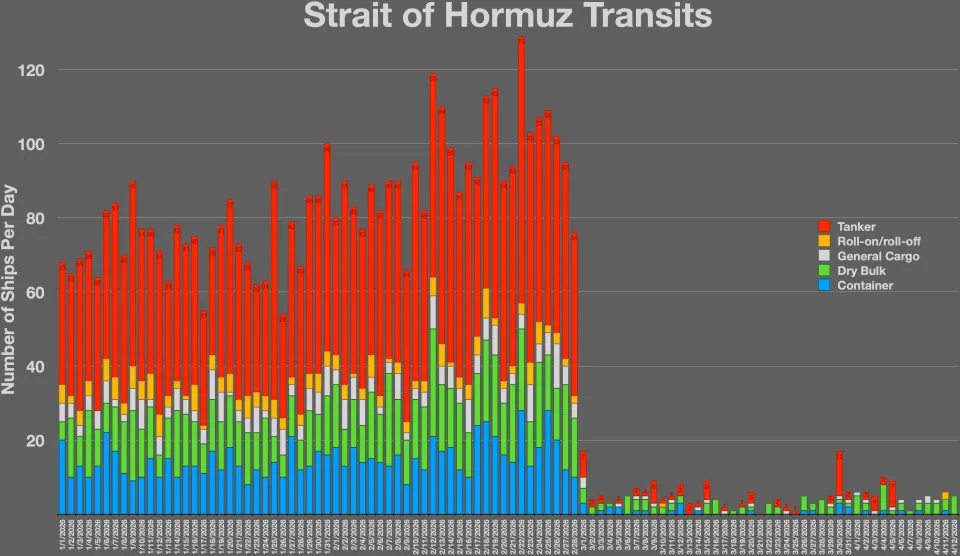
Why does this matter to you? If the Strait reopens, the immediate pressure on global energy prices will ease, which could paradoxically lead to a stronger USD globally but a more stable IRR locally as trade flows resume. However, the 'sticking points' remain significant. Iran is demanding formal recognition of its maritime security role, while the U.S. is pushing for international oversight. Until these technicalities are resolved, the draft remains just that—a piece of paper that could be shredded by a single tweet or a stray drone strike.
The Legal Standoff and the Global Energy Thirst
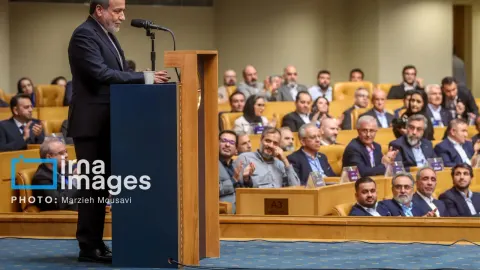
While diplomats talk, the legal battle is heating up at the United Nations. Iran’s Ambassador, Amir Saeid Iravani, stated overnight that Iran’s actions in the Strait of Hormuz are 'lawful and consistent with international law.' This rhetoric is a defensive wall against the 'aggressive rhetoric' coming from Washington. It signals that even if a deal is reached, Iran does not intend to cede its strategic leverage in the Persian Gulf. This legal posturing is essential for Tehran to maintain its 'deterrence' even during negotiations.
On the global stage, the stakes couldn't be higher. Japanese giant Mitsui is reportedly scouting for global LNG deals to power the massive AI data center boom. Without the energy security provided by a stable Strait of Hormuz, the global tech industry faces a massive bottleneck. This 'energy thirst' from the tech sector is actually a hidden tailwind for a deal; the world’s most powerful corporations need the Middle East to be stable enough to keep the electricity running for their AI models. For the Iranian economy, being the gatekeeper of this energy flow remains its most potent card in the ongoing high-stakes game of global finance.
Frequently Asked Questions
Why is the USD/IRR price stagnant despite peace talks?
What are the main obstacles to reopening the Strait of Hormuz?
How does the AI boom affect the US-Iran negotiations?
The Geopolitical and Economic Significance of the Strait of Hormuz
The Strait of Hormuz is arguably the world's most critical oil transit chokepoint, a narrow waterway connecting the Persian Gulf to the Arabian Sea and beyond. Situated between Iran and Oman, this strategic passage is barely 21 nautical miles (39 kilometers) wide at its narrowest point, yet it serves as the sole maritime outlet for the vast oil and gas reserves of several major Middle Eastern producers, including Saudi Arabia, Iran, Iraq, Kuwait, Qatar, and the UAE. Its geographic position makes it an indispensable artery for global energy supply.
Annually, a staggering volume of crude oil, petroleum products, and liquefied natural gas (LNG) passes through the Strait. According to the U.S. Energy Information Administration (EIA), approximately one-fifth of the world's total petroleum consumption and a significant portion of global LNG trade transit these waters. Any disruption, closure, or even the threat of closure of the Strait of Hormuz can send shockwaves through international energy markets, leading to sharp spikes in oil prices and creating significant economic instability worldwide.
Given its vital role, the Strait of Hormuz has long been a flashpoint for geopolitical tensions, particularly involving Iran. Tehran has, at various times, threatened to block the Strait in response to international sanctions or military pressures, underscoring its strategic leverage. While such threats often remain rhetorical, the potential for escalation necessitates constant vigilance from international powers and maritime forces. The very prospect of a "deal to reopen" highlights the ongoing concerns about its security and the continuous efforts to ensure the uninterrupted flow of global energy.
Topics
Related Articles