Iran's Defiant Stance; Israel Deepens Lebanon Incursion; Paris Clashes After PSG Win
موضع قاطع ایران؛ اسرائیل پیشروی در لبنان را افزایش میدهد؛ درگیریهای پاریس پس از پیروزی PSG
Tehran asserts its strategic strength post-conflict, while Israeli forces deepen their incursion into Lebanon, escalating regional tensions. Meanwhile, celebrations turn into widespread clashes in Paris following PSG's Champions League victory, leading to hundreds of arrests and raising questions about social stability in a major European capital.
At time of publishing
USD
170,400
Toman
Gold 18K
18.74M
Toman / gram
Bitcoin
$73,959
US Dollar
Tether
170,341
Toman
Market Open
Good morning, Arzbin readers. As the sun rises over Tehran, our markets greet us with a surprising calm after what has been a tumultuous week. The Iranian Toman, after showing some volatility, has found a temporary equilibrium against the US Dollar, holding perfectly steady at 170,400. This stability is mirrored in the local gold market, with the 18k gold gram and the Emami coin seeing no significant movement in the last 24 hours, standing firm at 18,744,171 Toman and 180,000,000 Toman respectively.
Meanwhile, the global crypto landscape continues its dynamic dance. Bitcoin is currently trading robustly at $73,959, while Ethereum holds its ground above $2,000 at $2,027.07. Our local USDT exchange rate also reflects this stability, priced at 170,341 Toman. While the lack of dramatic overnight shifts might suggest a pause, it's crucial to remember that beneath the surface, geopolitical currents are constantly reshaping the risk appetite that ultimately drives these figures, particularly in a region as sensitive as ours.
Iran's Strategic Posture Reaffirmed After 40-Day Conflict
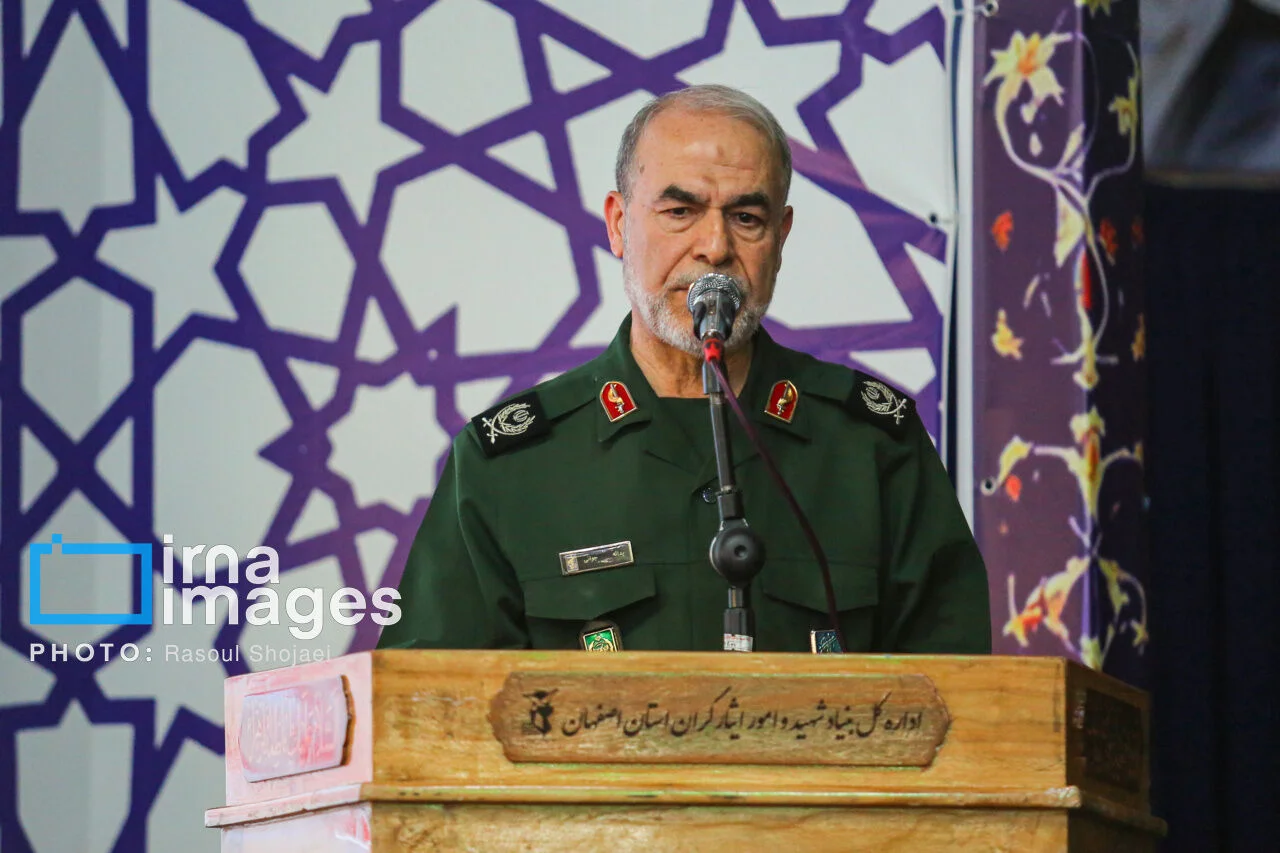
In a significant statement from Bojnurd, a top Islamic Revolution Guards Corps (IRGC) commander has asserted that Iran's adversaries profoundly miscalculated the nation's strength and resolve during a recent 40-day conflict. According to IRNA, the commander emphasized that Tehran has emerged from this period in a demonstrably stronger position, contrasting it with a perceived decline and failure on the part of the United States. This declaration serves as a powerful message, both domestically and internationally, underscoring Iran's resilience in the face of sustained external pressures and strategic challenges, including the interception and destruction of an intruding US MQ-1 drone, as reported by IRNA.
Such pronouncements are not merely rhetorical; they are integral to Iran's strategic communication, aiming to shape regional perceptions and global diplomatic engagements. For the financially aware, this robust posture can influence everything from currency expectations to the confidence of international partners in navigating sanctions and trade relationships with Iran. It signals a continued commitment to self-reliance and a defiant stance against perceived foreign intervention, which in turn can impact long-term economic planning and investment within the country, even as the Iranian national football team faces challenges in their World Cup preparations amidst the ongoing geopolitical climate.
Middle East Simmers as Israeli Forces Expand Operations in Lebanon
The volatile Middle East saw a concerning escalation overnight as Israel's military announced it is 'expanding to additional areas' in Lebanon, aiming to strengthen its military position in the country's south. Reports from France 24 confirm that Israeli troops have made a significant incursion, capturing a strategic mountain topped with a Crusader-built castle near the city of Nabatiyeh. This marks the deepest penetration into Lebanese territory in over a quarter of a century, signaling a notable shift in the ongoing conflict dynamics and raising alarms across the region.
This deepening of military engagement in Lebanon is a critical development, carrying substantial implications for regional stability. It risks drawing in additional actors and could potentially disrupt vital shipping lanes or energy infrastructure, given the proximity to key maritime routes. For global markets, such escalations typically translate into heightened risk aversion, particularly impacting oil prices and investor confidence in emerging markets. For our readers, the immediate concern lies in how this will further shape the geopolitical landscape, potentially influencing trade routes, regional security premiums, and the broader economic outlook.
Post-Victory Clashes Erupt in Paris, Leading to Widespread Arrests
Across Europe, celebrations turned sour in Paris following Paris Saint-Germain's (PSG) Champions League final victory, with violent clashes erupting on the streets. France 24 reports that over 280 individuals were arrested in the French capital alone, part of more than 400 detentions across France. The incident underscores the fragility of public order even amidst joyous occasions, highlighting underlying social tensions that can quickly escalate into widespread unrest, questioning the efficacy of urban security measures.
These events, while seemingly localized, resonate beyond French borders. They serve as a stark reminder of the social complexities facing major European capitals and can subtly influence global perceptions of stability and safety. For investors and businesses with European exposure, such incidents, if recurring, can impact tourism, local commerce, and even long-term investment decisions, contributing to a broader sense of geopolitical and social risk in key economic hubs. It's a lens through which the world views the societal health of a nation, impacting everything from consumer confidence to international relations.
Frequently Asked Questions
What is the significance of the IRGC commander's statement about Iran's strength?
How does Israel's expanded ground operation in Lebanon impact regional stability?
What are the broader implications of the clashes in Paris after the PSG victory?
What were the key market movements overnight for Iranian assets?
How does the ongoing war context affect Iran's World Cup team preparations?
Economic Sanctions: Their Ripple Effects on Iran's Currency, Gold, and Cryptocurrency
Economic sanctions are coercive measures that restrict a country's access to international finance, trade, and technology. When powerful nations impose sanctions, the targeted economy often faces a sudden loss of foreign investment and a sharp decline in export revenues. For Iran, decades of U.S. and EU sanctions have choked oil sales, limited banking links, and forced the country to rely on alternative channels for foreign exchange.
One immediate consequence is the devaluation of the national currency, the rial (IRR). With fewer dollars flowing in, the market price of the rial against the U.S. dollar can plummet, sometimes by more than 50% in a few months. This depreciation erodes purchasing power, fuels inflation, and makes imported goods—especially essential items like medicine—far more expensive for ordinary Iranians.
As the rial weakens, many Iranians turn to traditional safe‑havens such as gold. Gold prices in Tehran often surge well above global benchmarks because locals use it to preserve wealth and conduct transactions outside the formal banking system. The heightened demand also pushes up domestic gold premiums, creating a feedback loop that further incentivizes gold buying.
Simultaneously, the sanctions‑driven isolation has spurred interest in cryptocurrencies. Digital assets like Bitcoin and Ethereum can be transferred across borders without relying on sanctioned banks, offering a quasi‑anonymous store of value. While crypto markets are volatile, they have become a popular hedge for Iranians seeking to bypass capital controls and protect savings from inflationary erosion.
Understanding how sanctions ripple through currency, gold, and crypto markets helps explain the broader economic pressures shaping Iran's geopolitical posture and its citizens' daily financial decisions.
Topics
Related Articles