Middle East Tensions Flare: Iran Targets US Base After Strikes, Bitcoin Slides Amid ETF Outflows
تشدید تنشها در خاورمیانه: ایران پایگاه آمریکا را هدف قرار داد، بیتکوین در پی خروج ETF سقوط کرد
Overnight, the Middle East saw a dangerous escalation as Iran's Revolutionary Guard targeted a US base in response to American strikes on Iranian air defenses. This geopolitical tremor sent ripples through global markets, influencing everything from oil prices to cryptocurrency valuations. As the region braces for potential further instability, investors are recalibrating their risk exposure.
At time of publishing
USD
171,900
Toman
Gold 18K
18.85M
Toman / gram
Bitcoin
$73,260
US Dollar
Tether
171,974
Toman
Market Open
As the trading day begins, the Iranian market is reflecting the pervasive global uncertainty stemming from heightened geopolitical tensions. The USD/IRR exchange rate saw a slight uptick, rising from 171,800 to 171,900 Toman, marking a +0.1% increase over the last 24 hours. This marginal rise, while not dramatic, signals a cautious mood among investors, often seeking the relative stability of hard currency amidst regional unrest.
In the precious metals market, the 18k gold gram remained steady at 18,853,594 Toman, showing a +0.0% change. However, the Emami coin, a key indicator of local sentiment, experienced a notable increase, climbing from 182,000,000 to 184,000,000 Toman, a +1.1% jump. This divergence suggests a flight to tangible assets within Iran, perhaps as a hedge against broader economic and political volatility. Meanwhile, Bitcoin (BTC) is trading at 73,260 USD, and USDT at 171,974 Toman, reflecting a challenging environment for cryptocurrencies globally, which we'll delve into shortly.
Middle East on Edge: US-Iran Exchange of Strikes Escalates Tensions
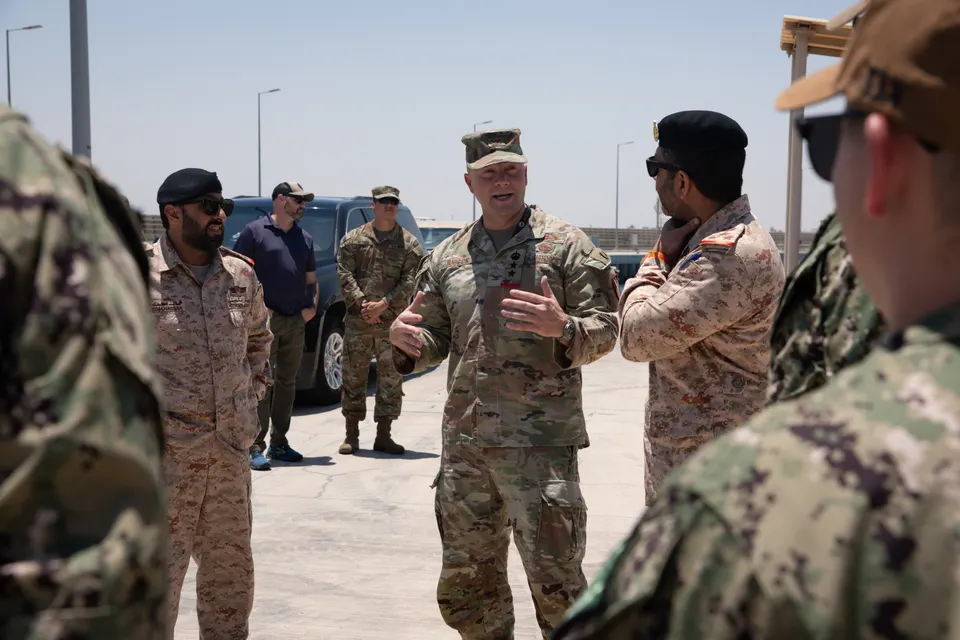
The most impactful news overnight comes from the Middle East, where a dangerous cycle of retaliation between the United States and Iran has pushed regional tensions to a perilous new high. Iran's Revolutionary Guard announced it had targeted a US military base in the region, specifically in Kuwait, in response to American airstrikes over the weekend that hit Iranian military sites, including air defenses along Iran's Gulf coast. This exchange follows the US assertion that its strikes were a direct response to "aggressive Iranian actions," including the recent shootdown of a US MQ-1 drone operating over international waters. Kuwaiti state media also reported missile and drone attacks, with air defenses active across the country, underscoring the broad geographical reach of this latest escalation.
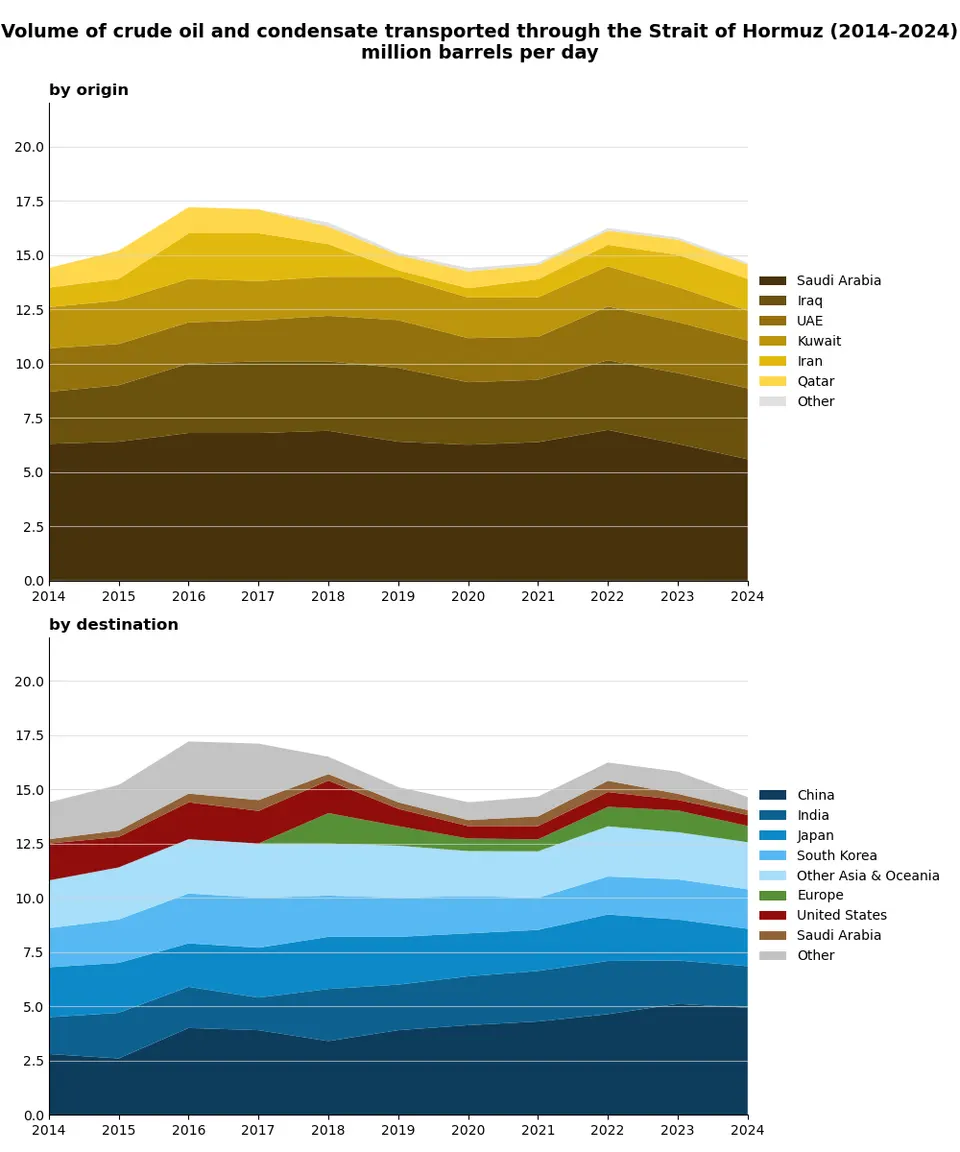
This latest flare-up is not an isolated incident but rather the continuation of a deeply fragile situation, occurring even as American and Iranian officials are reportedly engaged in negotiations to extend a three-month-old ceasefire. The repeated violations of this ceasefire, alongside this direct military exchange, highlight the immense challenges in de-escalating the conflict. Both Washington and Tehran have been involved in targeting each other's military facilities around the strategically vital Strait of Hormuz, a critical chokepoint through which a fifth of global oil and natural gas supplies pass. The US has concurrently maintained its enforcement of a blockade in the strait, pressuring Tehran amidst these complex negotiations. Analysts have also indicated that Iranian attacks have damaged at least 20 US military sites since the war began, suggesting a more extensive and sustained campaign than previously acknowledged.
These developments carry profound implications for global energy markets and regional stability. For Iranian readers, the immediate concern revolves around the potential for further economic sanctions, disruptions to trade routes, and the overall impact on the national currency and domestic prices. The direct targeting of military assets by both sides, especially near the Strait of Hormuz, introduces a significant risk premium to global oil prices and could further complicate Iran's ability to engage in international commerce, even under existing sanctions. The fragility of the ceasefire and the tit-for-tat strikes signal a period of acute uncertainty, demanding close monitoring of both diplomatic efforts and military movements.
Bitcoin's Extended Slide: Record ETF Outflows Amid AI Stock Boom
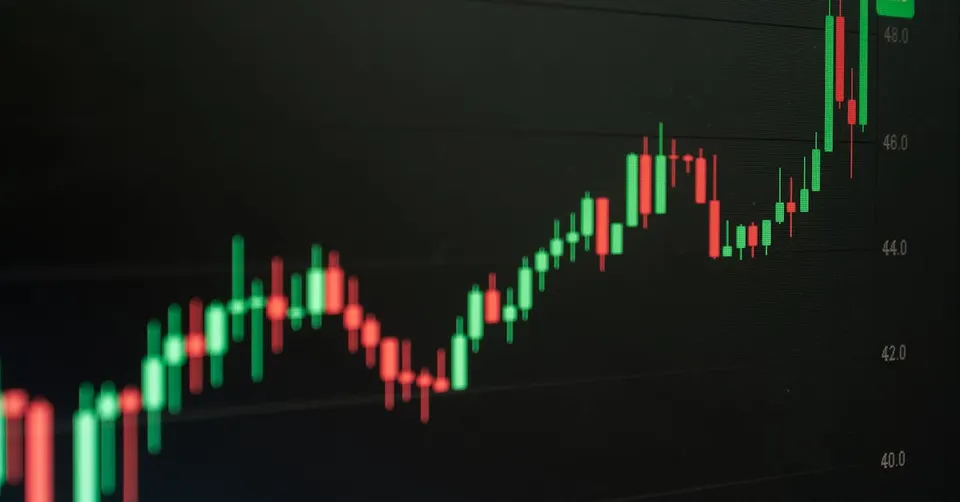
Away from the geopolitical heat, the cryptocurrency market is experiencing its own significant shifts. Bitcoin, the world's largest cryptocurrency, extended its recent slide overnight, primarily driven by record outflows from US spot Bitcoin Exchange-Traded Funds (ETFs). Over the past ten trading days leading up to Friday, these ETFs collectively lost an astonishing $2.97 billion, marking the longest streak of outflows on record. This substantial institutional withdrawal signals a cooling in investor enthusiasm for direct Bitcoin exposure through traditional financial vehicles, at least for now.
The reasons behind this significant capital reallocation are multifaceted. A primary factor appears to be a broader shift in investor sentiment towards other high-growth sectors, particularly artificial intelligence. Wall Street has been experiencing a robust rally, with global equities hitting new highs, largely fueled by the stellar performance of AI giants like Nvidia and SoftBank. Investors seem to be rotating capital out of riskier assets like Bitcoin, which had seen massive inflows following the ETF approvals, and into traditional tech stocks benefiting from the AI boom. Furthermore, the recent bounce in oil prices, partly due to the stalled Iran deal and broader Middle East instability, may also be adding pressure, as rising energy costs can impact overall market liquidity and risk appetite.
For Iranian crypto enthusiasts and investors, this trend is particularly relevant. While local demand for cryptocurrencies, especially USDT, often serves as a hedge against local currency depreciation, the global sentiment around Bitcoin directly impacts its price in Toman. A sustained global downturn, driven by institutional outflows, can dampen local speculation and reduce the effectiveness of crypto as a store of value. It underscores the interconnectedness of global financial markets, where even a seemingly distant shift in US ETF sentiment can be felt in Tehran's crypto exchanges, prompting a re-evaluation of investment strategies amidst evolving market dynamics.
Oil Prices Climb as Israel Expands Lebanon Offensive
Adding another layer to the complex geopolitical and economic landscape, oil prices saw a significant climb in early Asian trading hours. West Texas Intermediate (WTI) crude rose by 2.88% to $89.88 per barrel, while Brent crude increased by 2.43% to trade at $93.33 per barrel. This upward movement is directly attributable to the escalating conflict in the Middle East, specifically reports of Israeli troops moving further into Lebanon over the weekend. This expansion of military operations has intensified fears that the broader regional conflict is spiraling towards further escalation rather than de-escalation or a peace deal.
The crossing of the Litani River by Israeli troops and the declaration of areas south of the Zahrani River as a combat zone signal a significant deepening of the conflict. Such military advancements in a volatile region inherently introduce a substantial risk premium to oil prices. The Middle East remains the world's most critical oil-producing region, and any threat to its stability, production, or shipping lanes directly impacts global supply. Traders are now pricing in the increased likelihood of supply disruptions, whether through direct attacks on infrastructure, blockades, or general instability making transport riskier and more expensive. This geopolitical risk factor is outweighing other market forces, driving crude higher.
For the Iranian economy and its citizens, rising oil prices present a double-edged sword. On one hand, as a major oil producer, higher global prices could theoretically boost state revenues, even under the constraints of sanctions, if export volumes can be maintained or increased. However, this potential benefit is heavily overshadowed by the grave risks posed by an expanding regional conflict. Increased instability in neighboring countries directly threatens Iran's own security, trade routes, and overall economic activity. The higher cost of oil globally also contributes to inflationary pressures, which can indirectly affect the cost of goods and services for ordinary Iranians, complicating economic planning and daily life. The market's reaction underscores the profound impact of regional geopolitics on global commodity prices and the daily economic realities in countries like Iran.
Frequently Asked Questions
What caused the latest escalation between the US and Iran?
How do these Middle East tensions affect global oil prices?
Why is Bitcoin experiencing record ETF outflows?
What does the Emami coin's rise signify in the Iranian market?
How do global market shifts impact Iranian investors?
The Strategic Importance of the Strait of Hormuz
The Strait of Hormuz is a narrow waterway that connects the Persian Gulf with the Gulf of Oman and the wider Indian Ocean. At its narrowest point it is only about 21 nautical miles (39 km) wide, making it one of the world’s most critical maritime chokepoints. Roughly 20% of global oil consumption—about 21 million barrels per day—passes through the strait, along with a significant share of natural gas and petrochemical shipments. Because so much energy trade depends on this corridor, any threat to its security instantly ripples through global oil markets.
Geopolitically, the strait sits between Iran on the north shore and the United Arab Emirates and Oman on the south. Iran’s ability to threaten or disrupt traffic—through naval mines, missile strikes, or the deployment of fast attack craft—gives it a potent lever in negotiations, even though its own economy is heavily sanctioned. Historical incidents, such as the 2012 seizure of the British tanker Napier and the 2019 attacks on oil tankers, illustrate how quickly a regional dispute can translate into spikes in oil prices and heightened market volatility.
When tensions flare, as they have in recent weeks, traders react not only to the immediate risk of physical disruption but also to the uncertainty about future supply. Futures contracts for Brent and WTI crude often widen in price spreads, and investors may shift to safe‑haven assets like gold. Simultaneously, the ripple effect can reach unrelated markets; for example, a sudden oil price surge can depress the profitability of energy‑intensive cryptocurrencies, contributing to Bitcoin outflows from ETFs.
Understanding the strait’s role helps explain why headlines about “Iran targeting a U.S. base” can move oil, gold, and crypto prices in a single day. It also underscores the broader lesson that a single geographic bottleneck can amplify geopolitical risk into a global economic shock.
Topics
Related Articles