AUKUS Doubts, AI's Shadow, and Hormuz Fueling Inflation: What You Missed Overnight
تردیدها در آکوس، سایه هوش مصنوعی و تورم از تنگه هرمز: آنچه دیشب از دست دادید
Australia's AUKUS submarine deal faces internal criticism, raising questions about its future and regional stability. Meanwhile, Palantir's growing AI influence sparks ethical debates, and Goldman Sachs warns of persistent fuel inflation due to the Strait of Hormuz crisis. Geopolitical tensions continue to shape market sentiment.
At time of publishing
USD
174,300
Toman
Gold 18K
18.97M
Toman / gram
Bitcoin
$70,258
US Dollar
Tether
174,282
Toman
Market Open
Good morning, Arzbin readers. As the new day dawns, global markets are navigating a complex tapestry of geopolitical shifts and economic signals. Here in Tehran, the USD/IRR exchange rate opens Tuesday at 174,300 Toman for sell, having remained flat over the past 24 hours. This stability in the local currency market provides a calm start amidst international uncertainties.
In the precious metals arena, Gold 18k/gram also held steady overnight, opening at 18,971,328 Toman. However, Emami coin saw a slight uptick, rising from 187,000,000 Toman to 188,000,000 Toman, marking a modest +0.5% increase. This marginal gain suggests some localized demand or reaction to regional sentiment, even as global gold prices remain robust at $4,521.60 per ounce.
For crypto enthusiasts, Bitcoin (BTC) is currently trading around $70,258, while Ethereum (ETH) stands at $1,982.95. The USDT stablecoin is pegged at 174,282 Toman. While no significant 24-hour delta was provided for BTC, the broader crypto market has been experiencing jitters, influenced by a mix of institutional movements and geopolitical risks, setting a cautious tone for digital assets today.
Australia's AUKUS Submarine Deal Faces Significant Internal Criticism
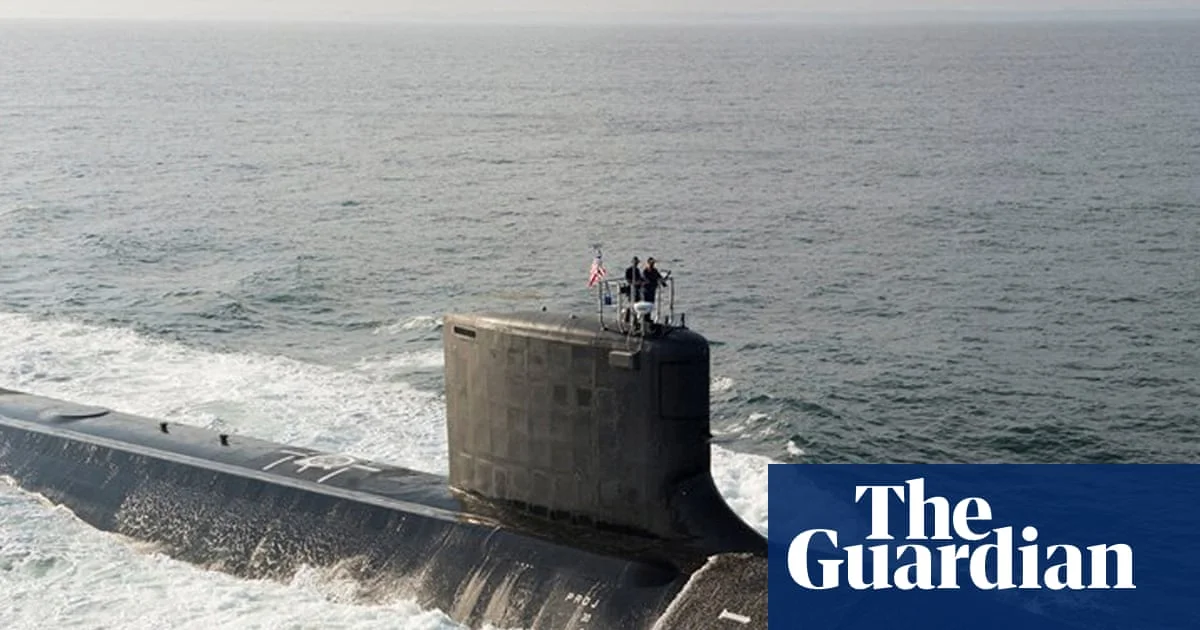
The AUKUS security pact, a cornerstone of Western defense strategy in the Indo-Pacific, faced its most significant internal critique overnight, as Australian Labor MP Ed Husic voiced strong reservations. Husic, a former frontbencher, questioned the deal's trajectory after Australia agreed to accept three second-hand US Virginia-class nuclear submarines. This move, a departure from the initial understanding of a mix of new and old vessels, has sparked concerns about whether Australia is truly getting "the deal promised" and if the ambitious $368 billion agreement is on track.
Husic's criticism is rooted in practical anxieties: the sluggish production capacity of the American defense industrial base and the unpredictable, "transactional nature" of a potential future Trump administration. These factors, he argued, could severely jeopardize the timely and effective delivery of these critical defense assets, leaving Australia vulnerable. His call for a "backup plan" underscores a growing unease within the ruling Labor party about the long-term viability and strategic wisdom of relying solely on US supply chains for such a monumental defense undertaking.
The implications of this internal dissent are far-reaching. For the AUKUS alliance, it signals potential political fragilities that could complicate future cooperation and resource allocation. For global markets, such high-profile questioning of a major defense pact can contribute to an overarching sense of geopolitical uncertainty, potentially dampening investor confidence in long-term stability in the Indo-Pacific. For our region, any perceived weakening or delay in Western security commitments could subtly shift strategic calculations, influencing everything from trade routes to diplomatic postures and overall risk perception.

Palantir's AI Dominance Sparks Ethical and Geopolitical Debates
Shifting gears to the intersection of technology and national security, the US data analytics giant Palantir is once again in the spotlight, this time for its pervasive and controversial role within the British state. The company, now boasting an astronomical $375 billion valuation, has seen its AI-driven software embedded across various critical sectors, from analyzing patient records for the NHS to assisting the US military with targeting operations, notably in relation to Iran. This rapid expansion, while showcasing the power of AI, is simultaneously fueling a heated debate about its ethical implications and the concentration of power.
The controversy surrounding Palantir stems from its opaque nature and the sensitive applications of its technology. Critics argue that a private, US-based entity wielding such influence over national data — be it health records or military intelligence — raises serious questions about privacy, accountability, and national sovereignty. The Guardian's recent briefing highlighted the deep opposition to Palantir's growing footprint, reflecting a broader societal unease about how AI is being deployed in areas traditionally reserved for public oversight and democratic scrutiny.
For our readers, Palantir's story is a stark reminder of how rapidly advanced AI is reshaping geopolitics and governance. The company's reported involvement in targeting operations linked to Iran underscores the evolving landscape of modern intelligence and warfare, where data analytics play a crucial, albeit often unseen, role. This trend has significant implications for regional stability, national security strategies, and the ongoing global debate about the ethical boundaries of AI development and deployment, directly impacting the risk environment and long-term strategic outlook.

Goldman Sachs Forecasts Persistent Fuel Supply Crunch and High Refining Profits
In the energy sector, a new forecast from Goldman Sachs indicates that refining profits are set to remain robust through 2026, driven by a persistent fuel supply crunch. The investment bank attributes this tight market to the ongoing crisis in the Strait of Hormuz, a critical chokepoint for global oil shipments. This geopolitical flashpoint has, according to Goldman Sachs, pushed refiners' margins two to three times higher than the average seen between 2013 and 2019, with diesel margins experiencing particularly elevated gains, projected to be $19 to $26 per barrel higher than pre-March levels.
The 'Strait of Hormuz crisis' refers to the heightened tensions and potential disruptions in the vital waterway, which is crucial for a significant portion of the world's oil and gas traffic. Ongoing geopolitical developments in the Middle East contribute to this instability, leading to concerns about the security of supply. When supply routes are threatened or perceived as risky, it creates a premium on available fuel products, directly benefiting refiners who can navigate these challenges and process crude into refined products like diesel.
The implications are clear: global energy prices are likely to remain elevated, contributing to inflationary pressures across various economies. For consumers, this translates to higher costs at the pump and potentially increased prices for goods and services due to higher transportation expenses. For Iranian readers, this report underscores the immense strategic importance of the Strait of Hormuz. The ongoing crisis, and its impact on global energy markets, highlights how regional tensions can directly influence international commodity prices and the broader economic landscape, affecting everything from trade balances to national revenue streams.
Australia Sanctions Israeli Settlers as Crypto Market Experiences Jitters
Australia has stepped into the complex geopolitical arena of the Middle East, announcing new sanctions against Israeli individuals and entities over escalating settler violence in the West Bank. Foreign Minister Penny Wong confirmed targeted financial sanctions and travel bans, notably including farming outposts identified as hubs for violence. This move signals a growing international condemnation of actions contributing to the displacement of Palestinians and the perpetuation of settlement expansion, adding another layer to the already fraught regional dynamics.
This diplomatic action by Australia, while distinct from direct market movements, contributes to the broader global risk landscape. In parallel, the cryptocurrency market experienced significant jitters overnight, with Bitcoin sliding towards the $70,000 mark. Analysts point to a confluence of factors, including institutional movements like a recent large BTC sale by Strategy and general 'geopolitical risks' as weighing heavily on investor sentiment. This demonstrates how seemingly disparate events can collectively influence the appetite for riskier assets.
For our discerning readers, these developments highlight the interconnectedness of global politics and financial markets. The Australian sanctions underscore the persistent humanitarian crisis in the Palestinian territories and the increasing international pressure on Israel, which could further escalate regional tensions. Such geopolitical instability often translates into a 'risk-off' mood in financial markets, where investors seek safer havens, leading to declines in volatile assets like cryptocurrencies. For those in Iran, understanding these nuanced international pressures and market reactions is crucial for anticipating shifts in regional stability and their indirect effects on local economic confidence and asset valuations.
Clashes Persist in Lebanon Despite US-Backed Partial Ceasefire Plan
The fragile peace efforts in the Middle East suffered another setback overnight as clashes between Israel and Hezbollah continued in Lebanon, despite reports that both sides had accepted a US-backed plan for a partial ceasefire. This persistent violence underscores the deep-seated animosities and complex dynamics at play, even when diplomatic channels are ostensibly open and agreements are reached. A cessation of hostilities in Lebanon is widely seen as a crucial precursor to any broader, more lasting peace process involving Iran, making the continued fighting particularly concerning.
The inability to fully halt hostilities, even after an agreed-upon plan, points to several underlying challenges. It could reflect a lack of complete buy-in from all factions, a struggle for control over the narrative, or simply the inherent difficulty of de-escalating long-standing conflicts. The BBC World report emphasizes that this ongoing friction directly impacts the wider peace process, suggesting that regional stability remains elusive as long as these flashpoints continue to ignite, regardless of diplomatic overtures.
For investors and policymakers alike, the continued clashes signal an elevated geopolitical risk premium for the region. This translates into sustained uncertainty for oil markets, where the Middle East is a primary source, and a heightened demand for safe-haven assets. For Iranian citizens, these developments on their western border are a direct reminder of the ongoing regional instability and the potential for escalation. It influences economic confidence, trade routes, and overall security perceptions, making a nuanced understanding of these dynamics essential for navigating daily life and financial decisions.
Frequently Asked Questions
Why is the AUKUS submarine deal facing internal criticism in Australia?
What are the main controversies surrounding Palantir's AI software?
How does the Strait of Hormuz crisis impact global fuel prices and refining profits?
What is the significance of Australia's sanctions against Israeli settlers?
Why are clashes continuing in Lebanon despite a partial ceasefire plan?
Geopolitical Risk Premium: Why Tensions Around the Strait of Hormuz and AUKUS Spike Oil Prices and Inflation
When investors think about the price of a barrel of oil, they often focus on supply‑and‑demand fundamentals such as production cuts or seasonal demand. A hidden but powerful driver is the geopolitical risk premium – an extra cost that market participants demand for the possibility that political events could disrupt supply. In practice, any flashpoint that could threaten the flow of oil—whether a naval standoff in the South China Sea, a cyber‑attack on a refinery, or a blockade of a narrow chokepoint—adds a speculative layer to price quotes. This premium shows up as higher futures prices, wider bid‑ask spreads, and more volatile spot markets.
The Strait of Hormuz is the textbook example of a geopolitical chokepoint. Roughly 20% of global oil passes through this 21‑mile-wide waterway, and even a brief threat of closure can send prices soaring. In 2023‑24, heightened tensions between Iran and the United States, coupled with the launch of the AUKUS security pact (Australia, the United Kingdom, and the United States), have amplified fears that the Strait could become a theater of naval confrontation. Traders react not only to actual disruptions but also to the possibility of one, inflating the risk premium and, consequently, the cost of fuel worldwide.
Higher oil prices feed directly into headline inflation because transportation, heating, and manufacturing all rely on petroleum products. When the risk premium spikes, the price of gasoline and diesel rises sharply, pushing up the Consumer Price Index (CPI) in many economies. Central banks then face a dilemma: tighten monetary policy to curb inflation, which can slow growth, or tolerate higher inflation to avoid choking off economic activity. The feedback loop between geopolitical risk, oil prices, and inflation is a key reason why policymakers monitor events like AUKUS developments and Hormuz tensions so closely.
The ripple effects extend beyond traditional energy markets. Elevated oil costs can depress consumer spending, which in turn reduces demand for risk‑on assets such as cryptocurrencies. Conversely, some crypto investors view digital assets as a hedge against fiat‑currency inflation, leading to mixed reactions in the crypto market during periods of heightened geopolitical risk. Understanding the geopolitical risk premium therefore helps investors navigate both commodity and digital‑asset markets during turbulent times.
Topics
Related Articles