US Strikes IRGC Targets After Troop Deaths; Markets Brace for Regional Volatility
حملات تلافیجویانه آمریکا به مواضع سپاه؛ سایه تنش بر بازارهای صبحگاهی تهران
Overnight, the US launched its eighth consecutive wave of strikes against IRGC-linked targets following the death of American soldiers in Jordan. We break down what this means for the Rial and global risk sentiment.
At time of publishing
USD
195,800
Toman
Gold 18K
19.00M
Toman / gram
Bitcoin
$64,688
US Dollar
Tether
196,087
Toman
Market Open — Geopolitical Clouds and a Resilient Rial
The Tehran market opened this Sunday with a heavy atmosphere following overnight reports of military escalation in the region. Despite the tension, the US Dollar (USD/IRR) remained remarkably stable, holding at 195,800 Toman, showing no change from the previous 24-hour period. This stability might suggest that the market had already priced in a degree of regional friction or that central interventions are keeping the rate within a very tight corridor to prevent a panic sell-off of the national currency. However, the gold and coin market told a different story, acting as the traditional barometer for public anxiety. Emami gold coins rose by 1.6%, climbing to 193,000,000 Toman. This jump typically reflects a "fear premium" as local investors pivot toward physical gold when geopolitical headlines turn red. Meanwhile, 18k gold per gram saw a slight dip of 0.2% to 18,999,030 Toman, tracking a minor cooling in international spot prices despite the regional heat. Bitcoin remains a focal point for the tech-savvy, trading at $64,688 as it attempts to break through key resistance levels.
US Launches Retaliatory Strikes on IRGC Following Jordan Deaths
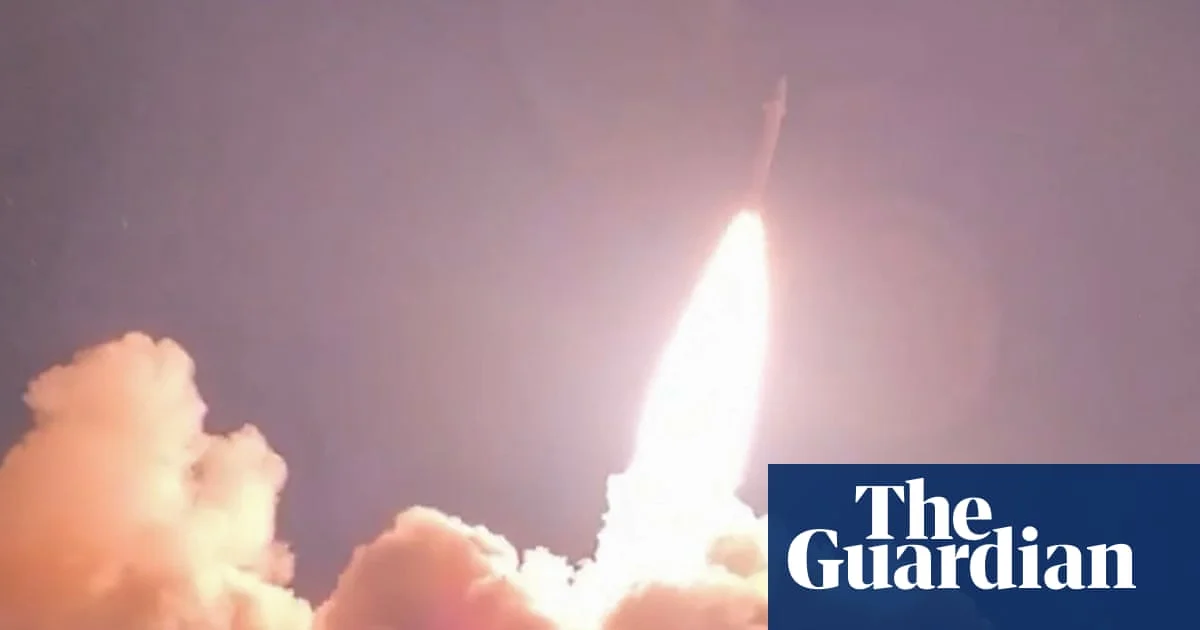
The single most significant story overnight is the sharp escalation in the Middle East conflict. For the eighth consecutive night, the United States launched a series of strikes targeting Iranian Revolutionary Guard (IRGC) positions. This latest wave, confirmed by US Central Command (CENTCOM), is a direct response to an attack on an airbase in Jordan that resulted in the deaths of two American soldiers and left a third missing in action. The Pentagon has signaled that these strikes are intended to "punish" the actors responsible, marking a shift from defensive posturing to active retaliation.

The situation is particularly volatile because, unlike previous skirmishes, these strikes are being framed by Washington as a response to direct American casualties, which is often a red line for US domestic politics. While Iranian state media has reported drone launches toward US assets in Kuwait in retaliation, the broader implication is a breakdown of the informal truce that had held since April. For our readers, this means a likely increase in the "risk-on" sentiment for hard assets and a potential tightening of the sanctions environment if the diplomatic backchannels fail to contain the fire.
Kyiv Shaken by Massive Missile Barrage as Russia Escalates
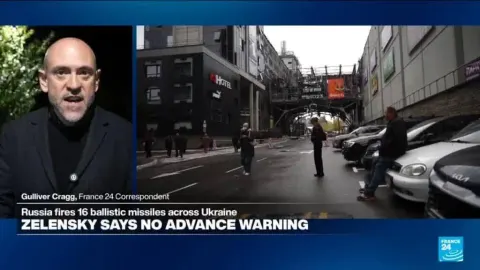
While the Middle East dominates local headlines, Eastern Europe saw one of its most violent nights in months. Russia carried out one of its biggest ever ballistic missile attacks on Kyiv, launching a five-hour raid that left at least one person dead and several injured. Ukrainian officials reported that the capital was hit with about 40 Iskander-M and hypersonic Zircon missiles, causing widespread fires and damage to residential and office buildings. This attack marks a significant escalation in the intensity of the conflict after a period of relative stalemate.

The geopolitical fallout of this attack ripples through global energy and commodity markets. As Ukraine targets Russian logistics warehouses in response, the threat to global supply chains remains elevated. For the Iranian economy, which is increasingly tied to the geopolitical shifts of the Russia-Ukraine axis, these developments influence everything from bilateral trade agreements to the global price of oil, which remains the lifeblood of regional budgets. The market is watching closely to see if this leads to a new round of Western sanctions that could indirectly affect Iran's trading partners.
World Cup 2026 Final: A Clash of Generations in New York
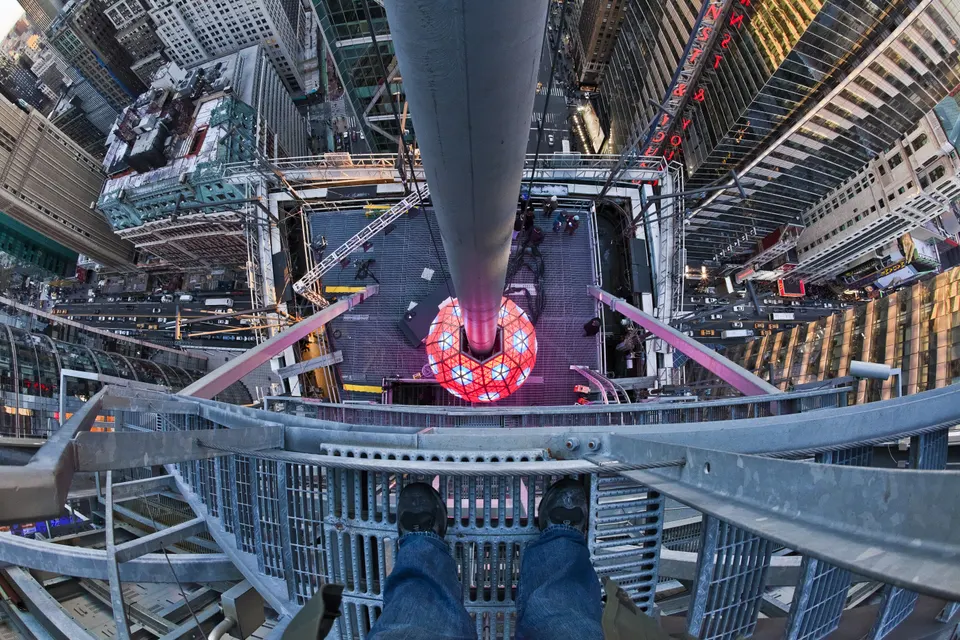
On a lighter but no less global scale, the world is holding its breath for the 2026 World Cup final in New York. The matchup between Spain and Argentina has transcended sports to become a cultural and economic phenomenon. The debate on the streets of Manhattan isn't just about who will win the trophy, but about the symbolic transition of power from the legendary Lionel Messi to the rising star Lamine Yamal. Fans from across the globe have descended on the city, driving local prices to record highs.
For the global economy, the World Cup is a massive driver of consumer spending, tourism, and broadcasting revenue. Even in Tehran, where football is a national obsession, the final represents a rare moment of shared global experience. Whether Messi clinches another title to cement his legacy or Yamal ushers in a new era, the economic footprint of this tournament will be felt in the sports apparel, digital streaming, and advertising sectors for months to come. For investors, the success of such mega-events often serves as a proxy for global consumer confidence and discretionary spending power.
Frequently Asked Questions
Why is the US targeting IRGC positions now?
How did the Tehran market react to the military escalation?
What is the significance of the latest missile attack on Kyiv?
How does the World Cup 2026 final affect the global economy?
Understanding Geopolitical Risk and its Impact on Markets
Geopolitical risk refers to the potential for political instability, conflicts, and international relations to disrupt the normal functioning of economies and financial markets. Events such as military strikes, diplomatic crises, trade wars, or acts of terrorism create profound uncertainty, leading investors to reassess risk and often reallocate capital. This uncertainty can stem from various sources, including regional conflicts, shifts in government policy, or even major elections in influential nations.
When geopolitical tensions escalate, financial markets typically react with increased volatility. Stock markets may experience sharp declines as investor confidence wanes and companies face potential disruptions to supply chains, trade routes, or consumer demand. Conversely, safe-haven assets often see an increase in demand. Gold, for instance, is traditionally viewed as a store of value during times of crisis, while major reserve currencies like the U.S. dollar tend to strengthen as investors seek stability away from more volatile local currencies.
The recent headlines, including US strikes and broader Middle East escalation, are prime examples of how geopolitical events directly translate into market concerns. For economies like Iran, such developments can significantly impact local financial indicators. The Tehran market might experience sharp swings, the value of the Iranian Rial (IRR) against the U.S. dollar could depreciate rapidly as capital seeks safer havens abroad, and local prices for commodities like gold coins might surge due to increased domestic demand for tangible assets as a hedge against inflation and uncertainty.
Understanding geopolitical risk is crucial for investors, businesses, and policymakers alike. It highlights the interconnectedness of global politics and economics, demonstrating how events far from a company's headquarters or an investor's portfolio can have immediate and profound financial consequences. Managing this risk involves careful monitoring of international affairs and strategic diversification to mitigate potential losses.