
Lebanon Death Toll Hits 4,335 as Regional Tensions Simmer; Gold Coins Surge 2.7% in Tehran
افزایش تلفات در لبنان به ۴۳۳۵ نفر؛ جهش ۲.۷ درصدی قیمت سکه در بازار تهران
As the conflict in Lebanon reaches a grim milestone of over 4,300 casualties, Tehran's gold market is reacting with a sharp jump in coin prices. Meanwhile, Ukraine's air defenses are reaching a breaking point and New Delhi faces international scrutiny over protest crackdowns.
At time of publishing
USD
186,700
Toman
Gold 18K
19.14M
Toman / gram
Bitcoin
$64,963
US Dollar
Tether
186,783
Toman
Market Open — Gold Shines While Rial Holds Breath
Good morning. As of 09:30 Tehran time, the currency market remains in a state of watchful waiting. The US Dollar (USD) is trading flat at 186,700 Toman, showing 0.0% change over the last 24 hours. However, the real story this morning is in the gold sector. While the global gold price sits at a staggering $4,343.30 per ounce, local demand has pushed the Emami coin up by 2.7%, rising from 185,000,000 to 190,000,000 Toman. Gold 18k per gram has also seen a 0.9% increase, now standing at 19,137,540 Toman.
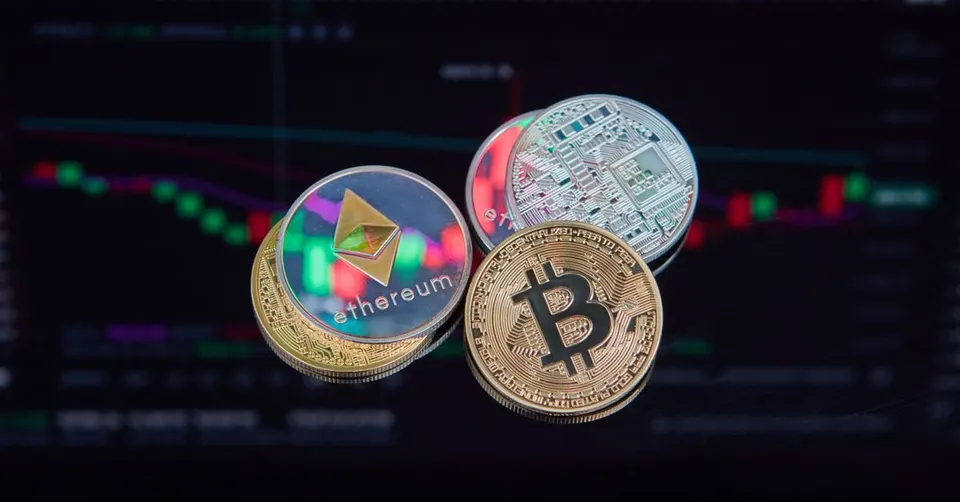
This divergence between a stable Rial and surging gold suggests that local investors are hedging against regional uncertainty rather than a direct currency devaluation. The 'safety' of gold is becoming the primary refuge for Iranian capital as headlines from the Levant grow increasingly grim. Bitcoin, meanwhile, is holding steady near the $65,000 mark, providing a digital alternative for those looking to move away from local volatility, though recent OFAC sanctions against two Iran-linked exchanges serve as a reminder of the persistent regulatory hurdles for local crypto users.
Lebanon Conflict Deepens: Casualties Climb to 4,335
The humanitarian situation in Lebanon has reached a critical juncture. According to the latest reports from the Lebanese Ministry of Health, as cited by IRNA, the death toll from ongoing Israeli military operations has risen to 4,335. This figure represents a significant escalation in the conflict, highlighting the intense nature of the air and ground campaign that has displaced hundreds of thousands. For the average reader in Tehran, this isn't just a distant statistic; it is a direct indicator of regional instability that dictates everything from the price of a gold coin to the long-term outlook for trade routes.
The lack of a clear diplomatic exit ramp has left markets on edge. While some traders are betting on a eventual peace deal—as seen in the bearish sentiment in oil markets despite these disruptions—the reality on the ground suggests a protracted conflict. The tragedy in Lebanon continues to serve as the primary engine for 'risk-off' sentiment across the Middle East. As long as the casualty count rises and the scope of the war remains unpredictable, the pressure on regional economies will only intensify, regardless of whether oil prices temporarily dip below $80.
Ukraine’s Dwindling Defenses: Kyiv Under Fire
Turning to Eastern Europe, the overnight situation in Ukraine has taken a dark turn. Russian missile attacks near Kyiv resulted in the deaths of three people, including a child. This latest strike comes at a moment of extreme vulnerability for the Ukrainian military. President Volodymyr Zelensky has issued a stark warning that Ukraine’s supplies of missile interceptors are reaching critically low levels. Without immediate replenishment from Western allies, major urban centers like Kyiv remain exposed to the full weight of Russian aerial bombardment.

This development is a significant shift in the war's narrative. For the past two years, the 'iron dome' over Kyiv was seen as relatively robust, but the attrition of long-term conflict is finally showing. For global markets, this signals a potential for renewed energy supply shocks if infrastructure continues to be targeted without adequate defense. It also places immense pressure on the U.S. and EU to accelerate aid packages at a time when domestic political appetites for foreign spending are being tested by upcoming elections and economic cooling.
New Delhi Crackdown: Pellet Guns and Public Outrage
In Asia, a detailed analysis has emerged regarding the July 20 crackdown on a youth march in New Delhi. Indian police reportedly used pellet guns, sticks, and tear gas to halt unarmed protesters, sparking a wave of public outrage. The protesters were marching to demand better employment opportunities and social reforms, but the state's response has been characterized by international observers as excessive force. This incident has raised serious questions about the state of civil liberties in the world's most populous democracy.
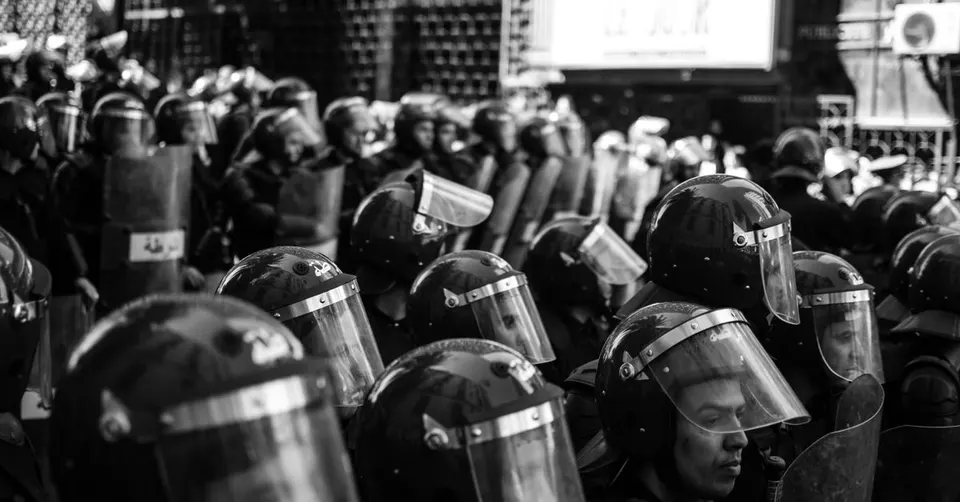
Why does this matter to you? India is a key economic partner for Iran and a major player in the BRICS+ alliance. Domestic instability in India, especially when tied to youth unemployment and heavy-handed policing, can impact trade agreements and regional cooperation. Furthermore, the use of pellet guns—a tactic often associated with the conflict in Kashmir—being used in the capital city suggests a hardening of state policy toward internal dissent. As India attempts to position itself as a global tech and manufacturing hub, these scenes of domestic turmoil provide a cautionary tale about the fragility of social contracts in rapidly developing economies.
Frequently Asked Questions
چرا قیمت سکه در تهران جهش کرد در حالی که دلار ثابت بود؟
وضعیت پدافند هوایی اوکراین چه تأثیری بر بازارهای جهانی دارد؟
آیا تحریمهای جدید کریپتو بر کاربران ایرانی تأثیر مستقیم دارد؟
Gold as a Safe‑Haven Asset
Gold has long been viewed as a safe‑haven investment – an asset that retains value when other markets falter. When geopolitical tensions flare, such as the conflict in Lebanon or the missile attacks on Kyiv, investors often rush to gold because it is not tied to any single country’s currency or political system. This flight‑to‑safety drives up demand, which in turn lifts spot prices and the premiums on locally minted coins, like the 18‑karat Emami coins that surged 2.7 % in Tehran.
The mechanism behind gold’s safe‑haven status is two‑fold. First, gold is a tangible store of wealth that cannot be printed like fiat money, so it protects against currency devaluation and hyperinflation. Second, gold markets operate globally and are settled in major currencies (primarily the US dollar), making the metal relatively insulated from regional banking crises. In economies under heavy sanctions or high inflation – for example, Iran – the domestic gold market can become a parallel financial system where people preserve savings and conduct transactions.
However, gold is not a risk‑free asset. Its price can be volatile in the short term, influenced by interest‑rate expectations, central‑bank buying, and speculative trading. Moreover, the premium paid for locally minted coins often reflects supply constraints, smuggling risks, and government policies rather than pure market fundamentals. Understanding these nuances helps investors gauge whether buying gold is a hedge against geopolitical risk or simply a response to short‑term market hype.
For anyone watching the Middle East’s shifting geopolitics, the surge in Tehran’s gold market illustrates a classic pattern: heightened uncertainty → increased demand for safe‑haven assets → higher local gold prices. Recognising this pattern can inform both personal finance decisions and broader analyses of how conflict reverberates through global commodity markets.
Topics
Related Articles