Hormuz Lockdown: Iran Hardens Demands as Houthi Strikes Hit Mocha Port
قفل هرمز و بحران در دریای سرخ؛ شروط ششگانه تهران و حملات جدید حوثیها
Global energy markets are bracing for impact as Tehran sets steep conditions for reopening the Strait of Hormuz. With deadly Houthi strikes in Yemen and Bitcoin testing $65k ahead of US inflation data, the geopolitical risk premium is back with a vengeance.
At time of publishing
USD
185,700
Toman
Gold 18K
18.88M
Toman / gram
Bitcoin
$65,088
US Dollar
Tether
186,892
Toman
Market Open — Stability in Currency, Momentum in Gold
The Tehran market opened this Monday with a notable divergence between the foreign exchange and precious metals sectors. The US Dollar (USD) remains remarkably flat, holding its ground at 185,700 Toman, showing a 0.0% change over the last 24 hours. This suggests a temporary equilibrium in the local market, perhaps as traders wait for more concrete developments regarding the ongoing regional tensions. While the currency remains stagnant, the underlying demand for safety is beginning to leak into the gold market.
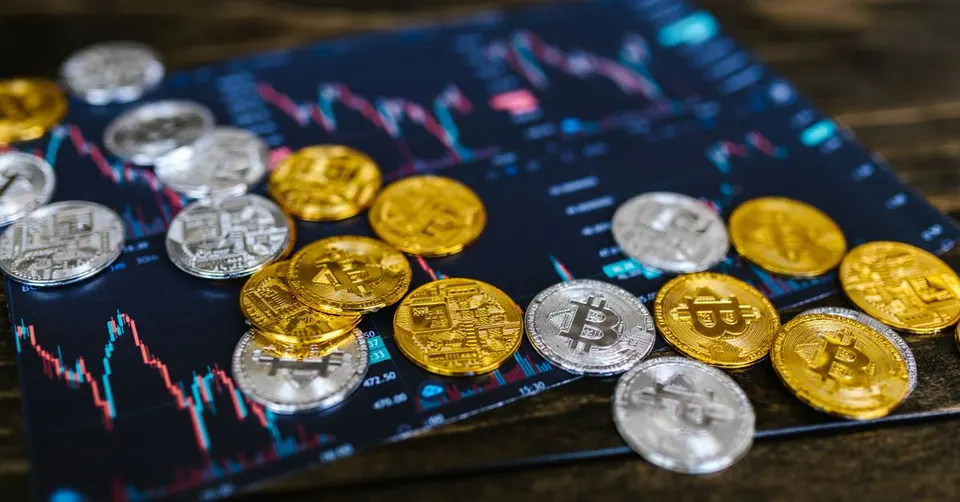
Gold 18k per gram has risen to 18,883,604 Toman, marking a 0.6% increase since yesterday. Similarly, the Emami gold coin saw a modest bump of 0.3%, now trading at 187,500,000 Toman. In the crypto space, Bitcoin has managed to climb above the $65,000 resistance level, currently trading at $65,088. This move comes as global investors eye upcoming US inflation data, which will likely dictate the Federal Reserve's next move. For the Iranian investor, the message is clear: while the Rial is holding steady for now, the 'smart money' is slowly shifting toward hard assets and digital hedges.
The Hormuz Standoff — Tehran Sets Six Demands
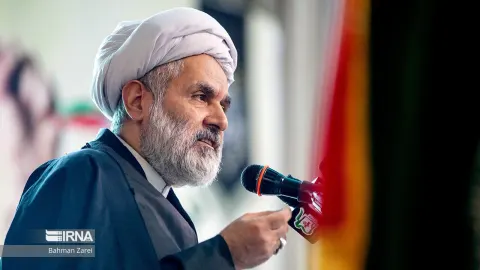
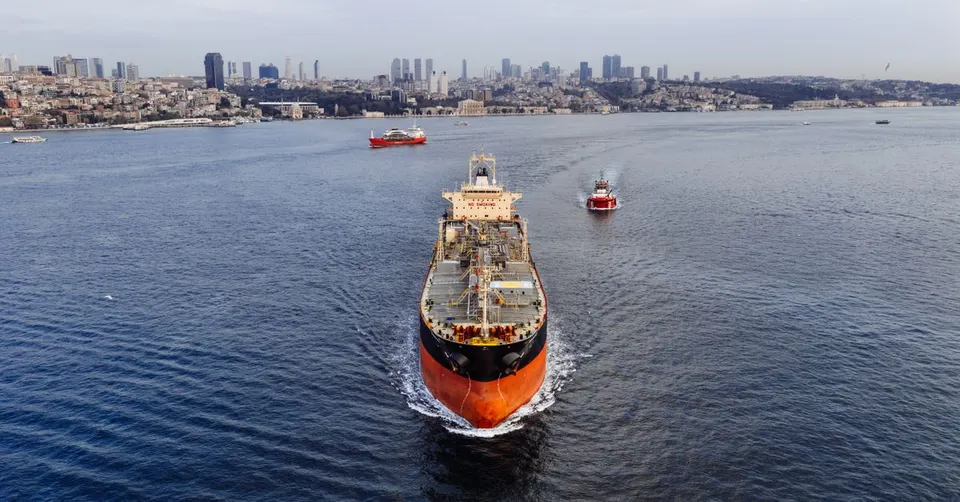
The single most significant story overnight is the hardening stance of the Iranian government regarding the Strait of Hormuz. Following a weekend of intense rhetoric, Tehran has officially stated that the critical waterway will remain closed until a set of six sweeping demands are met by the United States. While the full list remains a subject of intense diplomatic scrutiny, state-affiliated media has signaled that these include significant sanctions relief and the unfreezing of overseas assets. This is not just a regional issue; with nearly 20% of the world's oil consumption passing through this narrow passage, the global economy is effectively being held at a chokepoint.
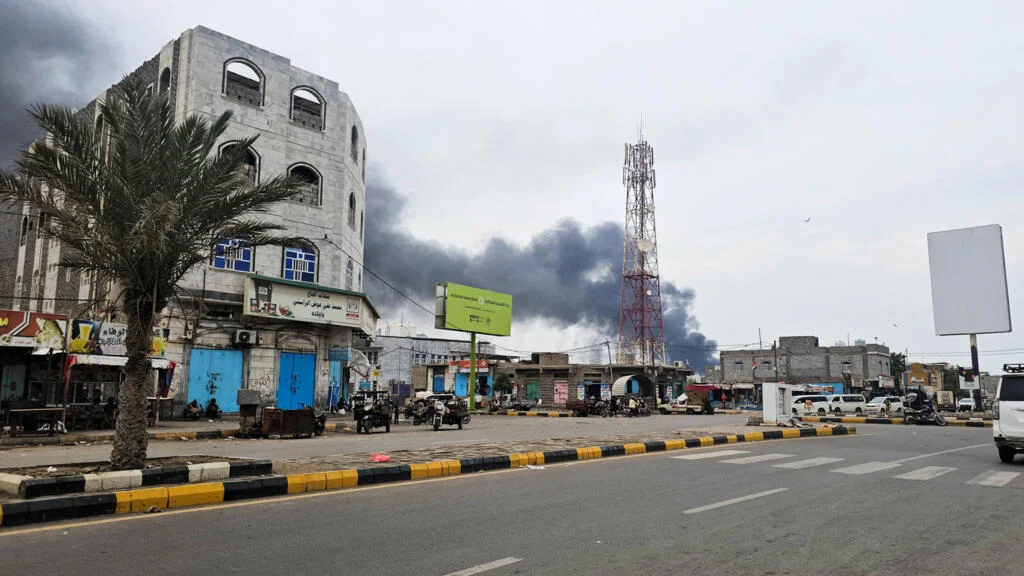
Simultaneously, the conflict in Yemen has taken a deadly turn. Houthi forces launched a strike on the Red Sea port city of Mocha, resulting in seven fatalities and dozens of injuries. This escalation, combined with claims of a strike on an Aramco refinery in Jazan, has sent Brent crude climbing toward $84 per barrel. The logic here is leverage. By demonstrating the vulnerability of both the Red Sea and the Persian Gulf transit routes, the regional alliance is attempting to force a diplomatic retreat from Washington. For readers, this means the 'geopolitical premium' on energy and gold is unlikely to dissipate anytime soon.
US Strategy Shift — Sanctions over Military Action
In response to the escalating threats in the Gulf, the Trump administration appears to be pivoting its strategy. Rather than immediate military retaliation—which could further spike global oil prices and hurt the American consumer—the White House is doubling down on economic pressure and a naval blockade. Reports suggest that the US is betting on a 'maximum pressure 2.0' approach, aiming to starve the Iranian economy of foreign currency while avoiding a full-scale kinetic war that would send gasoline prices above $5 a gallon in the US.
This shift is critical for the Iranian market. While a naval blockade sounds distant, its impact on the Rial's value is direct. If oil exports are further squeezed, the central bank's ability to defend the 185,000 Toman level for the USD will be severely tested. Investors should watch the 'informal' dollar rates closely; if the blockade tightens, the current stability in the currency market could be the 'calm before the storm.' The administration's focus on economic warfare suggests that the battle for the Rial will be fought in the banking ledgers and shipping lanes, not just in the headlines.
What You Missed — From AI Voids to Australian Mysteries
Beyond the geopolitical firestorm, a few stories caught the world's eye overnight. In the tech world, the founder of the Bitcoin Red Team expressed deep concern over the capabilities of Chinese AI, claiming it 'guts' current security protocols. The team has reportedly identified over 1,200 vulnerabilities in the Bitcoin ecosystem, a reminder that while BTC is a store of value, the technological arms race behind it is relentless. Meanwhile, Bitcoin itself is testing $65,500, with analysts warning of 'overbought' signals on the Money Flow Index (MFI), suggesting a potential short-term pullback before the next leg up.

Finally, for a bit of the bizarre: Australian police solved a mystery that had gripped regional news. What was reported as a 'body in a suitcase' found near Goulburn turned out to be a highly lifelike doll. While it provided a momentary sigh of relief for local authorities, it serves as a metaphor for the current global news cycle—sometimes the most terrifying headlines turn out to be manufactured noise, but distinguishing them from the real threats requires a very sharp eye. Stay focused on the fundamentals, and don't let the 'dolls' of the news cycle distract you from the real economic shifts.
Frequently Asked Questions
Why is the Strait of Hormuz closure so impactful for the Iranian Rial?
What are the specific 'six demands' set by Tehran?
How does the Houthi strike on Mocha affect global shipping costs?
Is Bitcoin still a safe hedge given the '1,200 vulnerabilities' reported?
The Geopolitical Risk Premium: How Instability Fuels Oil Prices and Economic Turmoil
In the volatile world of global commodities, prices are not solely determined by supply and demand fundamentals. A crucial, often unquantifiable factor known as the geopolitical risk premium significantly influences the cost of strategic resources like oil. This premium represents the additional price buyers are willing to pay, or sellers demand, due to the perceived threat of supply disruptions stemming from political instability, conflict, or policy changes in key producing or transit regions. When headlines scream of potential "Hormuz Lockdowns" or Houthi strikes near vital shipping lanes, this premium immediately surges, reflecting market anxiety over future supply.
The Strait of Hormuz, a narrow waterway between Iran and Oman, is a prime example of where this premium is acutely felt. It's a critical chokepoint through which roughly one-fifth of the world's total oil consumption passes daily. Any threat to its passage, whether from direct military action, sanctions, or regional proxy conflicts, instantly sends shockwaves through global oil markets, driving up Brent crude prices. The market's fear isn't just about actual supply cuts; it's also about the potential for them, leading to speculative buying and hoarding that further inflates prices.
For countries like Iran, which are heavily reliant on oil exports but also subject to stringent international sanctions, the dynamics of the geopolitical risk premium present a complex challenge. While higher global oil prices might seem beneficial, sanctions severely restrict Iran's ability to sell its oil on the international market at full capacity or receive payments easily. Instead, domestic economic indicators like the USD/IRR exchange rate and local gold prices often reflect the internal strain. Heightened regional tensions and sanctions erode investor confidence, lead to capital flight, and fuel inflation, causing the national currency to depreciate and citizens to seek refuge in assets like gold, further illustrating the far-reaching economic consequences of geopolitical instability.
Topics
Related Articles