Diplomatic 'Melons' in Australia and High-Stakes Decoys: The Global Morning Briefing
دیپلماسی «خربزه» در استرالیا و فریب بزرگ در آسمان؛ گزارش ویژه بامدادی ارزبین
From diplomatic gaffes in Canberra to a stunning 'decoy' operation involving Air Force One, the last 12 hours have been a masterclass in geopolitical theater. Meanwhile, the US enforces a strict blockade on Iranian ports, signaling a hot summer for global trade routes.
At time of publishing
USD
187,800
Toman
Gold 18K
19.24M
Toman / gram
Bitcoin
$63,777
US Dollar
Tether
187,635.863
Toman
Market Open: A Morning of Cautious Stability
The Iranian market opens this Wednesday with a sense of watchful waiting. The US Dollar remains anchored at 187,800 Toman, showing no change from yesterday's close. This stability in the greenback is mirrored in the coin market, where the Emami Gold Coin holds steady at 189,500,000 Toman. While the currency stays flat, gold enthusiasts saw a marginal uptick; 18-karat gold rose slightly by 0.1%, now trading at 19,241,423 Toman per gram.
Globally, the picture is one of extreme valuation and high-stakes anticipation. The gold ounce is hovering at a staggering $4,393.50, reflecting deep-seated global anxieties about inflation and geopolitical risk. In the crypto space, Bitcoin has slipped slightly to $63,777 as traders position themselves ahead of the upcoming US CPI data. It is a market that feels like a coiled spring—stable for the moment, but sensitive to the slightest geopolitical tremor.

The 'Melon' Diplomacy: Smoothing Ruffles in the Indo-Pacific
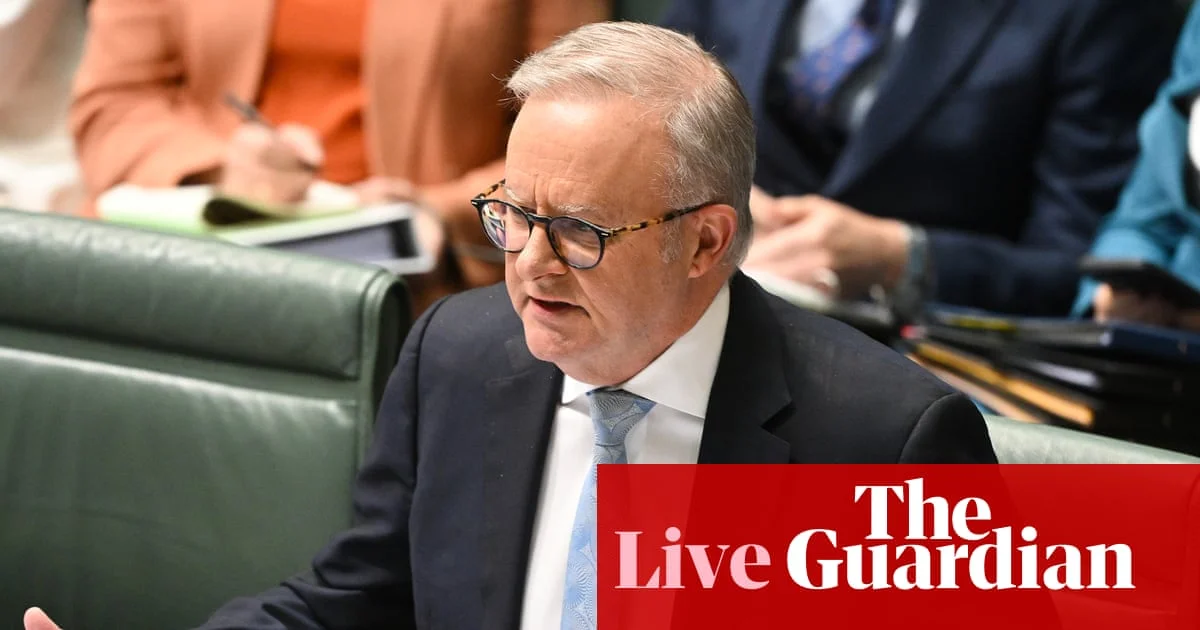
In an unusual turn for high-level diplomacy, Japan’s ambassador to Australia has spent the last few hours downplaying comments made by Prime Minister Anthony Albanese regarding Japanese melons. While it sounds like a triviality, in the world of Indo-Pacific relations, every word from a head of state is scrutinized for its impact on trade and cultural respect. The incident underscores the delicate tightrope Australia must walk as it balances its security alliances with economic sensitivities in Asia.
Beyond the fruit-related banter, the Australian political scene is grappling with more serious matters. Education Minister Jason Clare is reportedly 'very close' to a massive 10-year funding deal with Victoria, a move that could stabilize the domestic social landscape. However, the shadow of corruption looms as the Independent Commission Against Corruption (ICAC) hears testimony regarding 'kickbacks' involving a conservative Christian Liberal party faction and school contracts. These domestic ripples in Australia matter to the global reader because they signal the stability—or lack thereof—of one of the world's primary commodity exporters.
Deception at 30,000 Feet: Trump’s Air Force One 'Decoys'
A stunning report has emerged regarding the lengths to which the US government went to protect Donald Trump from alleged Iranian threats. It has been revealed that while the public and press believed Trump was aboard Air Force One, he was actually spirited away in a catering truck and flown on a separate plane. More shockingly, over a hundred aides and journalists were kept on the 'decoy' Air Force One, unaware they were potentially serving as targets while the former president was already en route to Britain.
This revelation has sparked a firestorm in Washington, with Democrats calling for immediate congressional briefings. Critics are questioning the ethics of using civilians and staff as unwitting decoys. For the Iranian observer, this story is a stark reminder of the deeply personal and visceral nature of the current US-Iran friction. It suggests that the perceived threat level is at an all-time high, influencing not just policy, but the literal logistics of presidential movement, which in turn fuels market volatility whenever 'Iran' and 'Trump' appear in the same headline.
Blockade Enforcement: The Strait of Hormuz Heat Map
The maritime situation near Iran has taken a kinetic turn. The US military announced it has struck a Panama-flagged ship that was allegedly attempting to violate the blockade of Iranian ports. Donald Trump has doubled down on his rhetoric, asserting that the United States now exercises 'total control' over the Strait of Hormuz. This direct intervention is a significant escalation from mere verbal warnings and suggests a new, more aggressive phase of sanctions enforcement that targets the physical movement of goods.
On the diplomatic front, Iran’s Foreign Minister Abbas Araghchi has been active in Iraqi Kurdistan, meeting with PUK leader Bafel Talabani. According to state media reports, the discussions focused on 'border security and counterterrorism.' While Tehran seeks to solidify its land borders and regional ties, the maritime pressure from Washington creates a pincer effect. For the Iranian economy, this means increased costs of shipping and a narrowing window for traditional export routes, factors that will eventually weigh on the Toman if the blockade remains this porous and contested.
Frequently Asked Questions
Why did the US military strike a Panama-flagged ship?
What was the 'decoy' operation involving Donald Trump's plane?
How is the Iranian market responding to these escalations?
The Strategic Importance of the Strait of Hormuz
The Strait of Hormuz is one of the world’s most critical maritime chokepoints, a narrow waterway only about 21 miles (34 km) wide at its narrowest point that links the Persian Gulf with the open ocean. Roughly 20% of global petroleum—about 21 million barrels per day—passes through the strait, making it a vital conduit for energy‑dependent economies in Asia, Europe and the United States. Because the flow of oil can be throttled by any military or political action in the strait, it has become a focal point for geopolitical tension, especially between Iran and the United States.
Historically, the strait has been the stage for several flashpoints: the 1980s “Tanker War” between Iran and Iraq, the 2019 U.S.‑Iran naval confrontations, and the 2020 attack on oil tankers that raised fears of a full‑scale blockade. A blockade or even a temporary disruption can cause oil prices to spike dramatically, as markets react to the perceived risk of supply shortages. The 2026 escalation in U.S.–Iran tensions, highlighted by the alleged use of a decoy Air Force One and heightened naval patrols, underscores how quickly the strait can move from a commercial passage to a strategic weapon.
Economically, the strait’s importance is amplified by the fact that many of the world’s largest oil exporters—Saudi Arabia, Iraq, Kuwait, the United Arab Emirates—rely on it to reach global markets. Any interruption forces shippers to reroute around the longer and more expensive Cape of Good Hope, adding thousands of miles and days to voyages. This not only raises freight costs but also inflates the price of refined products, contributing to higher gasoline and jet‑fuel prices worldwide. The ripple effect can be seen in commodities such as gold, which often rises as investors seek safe‑haven assets during energy‑price shocks.
From a security perspective, nations deploy a mix of naval vessels, mine‑countermeasure ships, and aerial surveillance to safeguard the waterway. Iran’s strategy has included threats to close the strait, mining operations, and the use of fast attack craft, while the U.S. and its allies maintain a constant presence to ensure freedom of navigation. Understanding the dynamics of the Strait of Hormuz therefore provides insight into how a narrow geographic feature can shape global economics, energy policy, and international security.
For anyone following the 2026 US‑Iran maritime conflict, grasping the concept of a “strategic chokepoint” is essential. It explains why a seemingly small stretch of water can trigger worldwide market reactions, influence diplomatic negotiations, and become a flashpoint for military posturing.
Topics
Related Articles