
Global Markets Face Demand Shock as Oil Forecasts Slashed and Legal Drama Grips Australia
شوک کاهش تقاضا در بازارهای جهانی نفت و جنجال حقوقی در استرالیا؛ صبحانه خبری ارزبین
As the US-Iran conflict continues to strain global defense resources, OPEC and the IEA have delivered a blow to energy markets by slashing 2026 demand forecasts. Meanwhile, a high-profile trial in Australia raises questions about legal integrity on the world stage.
At time of publishing
USD
187,400
Toman
Gold 18K
19.10M
Toman / gram
Bitcoin
$63,834
US Dollar
Tether
186,880
Toman
Market Open — Toman Remains Steady Amid Global Shifts
The Iranian Toman showed remarkable resilience this morning, opening with zero percent change against the US Dollar. The USD sell rate remains at 187,400 Toman, while the buy rate sits at 186,291. This stability comes despite significant volatility in global energy markets and shifting geopolitical tensions. For the Iranian trader, this suggests a 'wait-and-see' approach from the domestic market, which is currently absorbing international news without immediate panic selling or buying.
In the precious metals sector, we observed a slight correction. Gold 18k/gram fell by 0.3%, moving from 19,167,551 to 19,100,604 Toman. Emami coins remained flat at 189,500,000 Toman. Meanwhile, Bitcoin is trading around the $63,834 mark, reflecting a broader consolidation in the crypto space as investors weigh the impact of new revenue-capture mechanisms being proposed for decentralized finance protocols.
The Alan Jones Trial: Intimidation Claims in the Spotlight
In a story that has dominated the overnight news cycle from the Southern Hemisphere, the legal team for high-profile Australian broadcaster Alan Jones has been accused of 'intimidating' a key witness. During cross-examination on Thursday, the prosecution alleged that the defense's tactics toward the former girlfriend of a complainant were designed to suppress evidence. The witness, however, maintained her testimony, asserting that she had no financial motivation and was simply recounting a conversation from twenty years ago regarding alleged indecent assault.
While this may seem like a localized legal battle, it carries significant weight for international media ethics and the global perception of legal integrity. In an era where high-profile figures often use substantial resources to combat allegations, the court's rejection of the intimidation claim—for now—highlights the ongoing tension between powerful defense strategies and the protection of witnesses. For the global observer, it serves as a reminder of how institutional power is scrutinized in modern democracies.

Oil Prices Retreat as Demand Outlook Darkens
Energy markets are feeling the chill this morning after both OPEC and the International Energy Agency (IEA) slashed their demand forecasts for 2026. Brent Crude dropped by 0.5% to trade below the psychological $89 mark, currently sitting at $88.56. WTI followed suit, trading 0.60% lower at $82.77. These revisions suggest that the post-pandemic growth spurt and the energy transition are colliding in ways that analysts are only beginning to fully model, leading to a more bearish long-term view for crude.
This slump is particularly notable given the ongoing stalemate in U.S.-Iran talks and the persistent risks to shipping in the Middle East. Usually, such geopolitical friction would provide a floor for prices, but the fear of a global economic slowdown and the rapid adoption of renewable alternatives—highlighted by Rio Tinto’s massive $2.5 billion shift toward green energy for its Australian smelters—are proving to be stronger market drivers. For Iran, a lower oil price environment complicates budget planning and puts further pressure on non-oil export sectors to bridge the fiscal gap.

Ukraine Port Strikes and the Global Interceptor Crisis
The conflict in Eastern Europe took another grim turn overnight as Russian strikes sparked fires at major Ukrainian ports. These attacks are not just tactical; they are part of a broader maritime strategy to choke off grain supplies to the global market. However, the story behind the story is the acute shortage of Patriot interceptor missiles in Ukraine. Reports suggest that the supply chain for these critical defense systems has been severely diverted due to the ongoing US-Iran conflict that escalated in February.
This 'interceptor drought' illustrates the interconnected nature of modern warfare. As the United States prioritizes its assets in the Middle East to counter regional threats, its ability to support allies in Europe is being tested. For the Iranian reader, this underscores how regional tensions directly impact the global security architecture, forcing superpowers to make impossible choices about where to deploy their most advanced technology. The resulting vulnerability in Ukraine’s ports could lead to another spike in global food prices, adding inflationary pressure to an already fragile global economy.
Environmental Crisis in the Arabian Sea
A grounded tanker carrying Russian crude oil bound for India is currently threatening vital bird and turtle habitats in the Arabian Sea. This incident occurs against a backdrop of increasing maritime accidents and attacks in and around the Strait of Hormuz. The spill represents a dual failure: a failure of aging 'shadow fleet' vessels to navigate safely and a failure of international oversight to manage the environmental risks associated with circumventing traditional shipping routes.
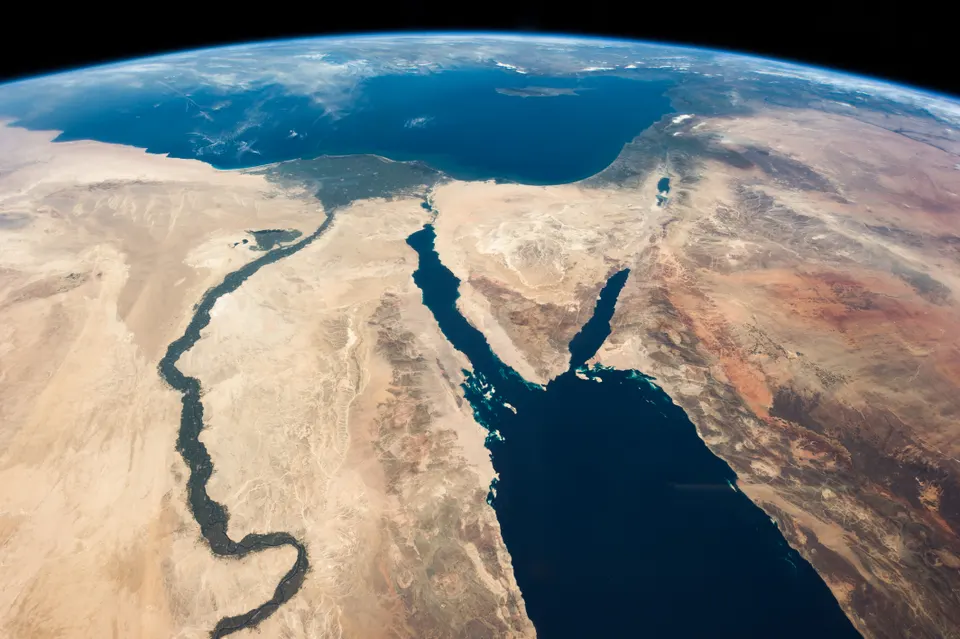
The potential damage to the ecosystem near the Strait of Hormuz is a direct concern for regional stability. Beyond the environmental tragedy, such incidents often lead to increased insurance premiums for all shipping in the region, which eventually translates into higher costs for imported goods in Iran. As the 'dark fleet' continues to operate with minimal transparency, the risk of a catastrophic environmental disaster that could close critical shipping lanes remains a persistent 'black swan' event for the global economy.
Frequently Asked Questions
Why did oil prices fall despite Middle East tensions?
How is the US-Iran conflict affecting the war in Ukraine?
What is the 'shadow fleet' and why is it dangerous?
Understanding a "Demand Shock" in Global Markets
A "demand shock" is a sudden and unexpected event that significantly alters the overall demand for goods and services within an economy or specific market. This shift can be either positive, leading to an unexpected surge in demand, or negative, causing a sharp and unforeseen decline. In the context of global energy markets, particularly oil, a negative demand shock means that consumers, industries, and nations suddenly require significantly less crude oil than previously anticipated. This can stem from various factors, including a sharp economic downturn, a global recession, technological advancements reducing energy consumption, or even large-scale behavioral changes.
When a negative demand shock hits the oil market, its immediate impact is a surplus of supply relative to the new, lower demand. This imbalance typically leads to a sharp drop in oil prices, as producers compete to sell their output, and inventories begin to build up. For oil-exporting nations and energy companies, this translates into reduced revenues and profits, potentially leading to production cuts, investment delays, and economic instability. The "slashed oil forecasts" mentioned in the headline directly point to an expectation of such a negative demand shock, signaling that major institutions like OPEC anticipate a significant weakening in global oil consumption by 2026.
This phenomenon highlights the intricate relationship between global economic health and commodity markets. An anticipated demand shock for oil reflects broader concerns about the pace of global economic growth, industrial activity, and even geopolitical stability, which can influence consumption patterns. While geopolitical events like a "Strait of Hormuz oil spill" or "Ukraine port strikes" are typically associated with supply shocks (disrupting the availability of oil or other commodities), the headline's emphasis on "demand shock" suggests that the primary concern is a weakening appetite for energy, irrespective of potential supply disruptions. Understanding this distinction is crucial for interpreting market movements and economic outlooks.
Topics
Related Articles