Black Tides and Blockades: Oil Hits $87 as Slick Reaches Iranian Shores
نشت نفت در سواحل ایران و جهش قیمت جهانی؛ نفت ۸۷ دلاری در سایه بنبست دیپلماتیک
A major oil slick from a crippled tanker has reached Iranian beaches, while global crude prices surge 4% this week amid an 'indefinite' U.S. naval blockade. Meanwhile, reports of a mental health crisis aboard the USS Lincoln highlight the mounting strain of the prolonged regional conflict.
At time of publishing
USD
187,600
Toman
Gold 18K
19.02M
Toman / gram
Bitcoin
$63,313
US Dollar
Tether
187,169
Toman
Market Open — Friday, August 14
The Iranian currency market opened this morning with a sense of heavy anticipation, though the numbers themselves remained remarkably flat. The US Dollar (USD/IRR) is holding steady at 187,600 Toman, showing a 0.0% change over the last 24 hours. This stability in the free market suggests a 'wait-and-see' approach from traders as geopolitical tensions simmer without a clear breakout. Despite the lack of movement in the greenback, the atmosphere in Ferdowsi remains tense, influenced by the broader regional deadlock.
In the gold market, we see a slight cooling. 18k gold per gram is trading at 19,017,498 Toman, a minor dip of -0.3% from yesterday's 19,075,211. The Emami coin remains unchanged at 189,500,000 Toman. Meanwhile, Bitcoin has retreated slightly to the $63,313 level, and global gold per ounce stands at a staggering $4,335.60. For the Iranian investor, the message is clear: while the Rial is holding its breath, global commodities are signaling high-risk premiums that haven't fully trickled into the local gold price yet.
The Black Tide: Environmental Crisis Meets $87 Oil
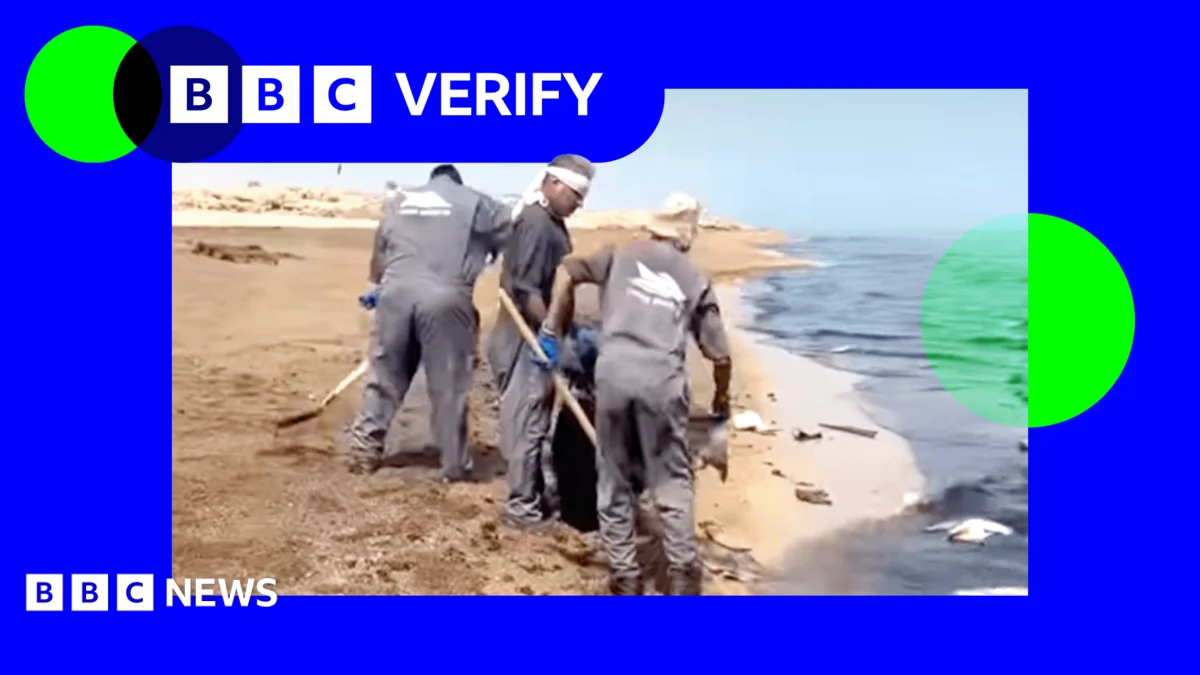
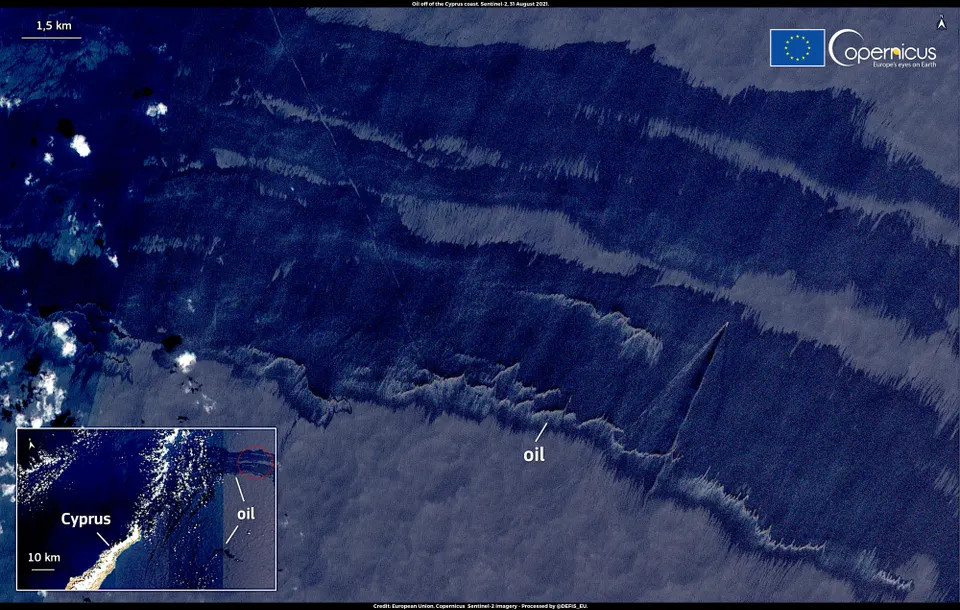
A significant environmental disaster is unfolding along Iran's coastline. BBC Verify and satellite experts have confirmed that a massive oil slick, originating from a vessel attacked on August 3, has begun washing up on Iranian beaches. This isn't just an ecological catastrophe threatening local wildlife; it is a visceral reminder of the ongoing maritime 'shadow war.' The pollution is spreading rapidly, and the lack of a coordinated regional response highlights the breakdown in basic diplomatic communication between Tehran and its neighbors.
Simultaneously, global oil markets are reacting to the prolonged deadlock between the U.S. and Iran. Brent crude is heading for a 4% weekly gain, trading around $87.12 per barrel. This price surge is driven by the reality that tanker traffic through the Strait of Hormuz remains at a fraction of its pre-war levels. The U.S. has signaled it may keep its naval blockade in place 'indefinitely,' a move that effectively chokes off significant portions of global supply and keeps the energy markets in a state of permanent anxiety.
What this means for you: High oil prices usually provide a cushion for the Iranian budget, but with the blockade and sanctions in full force, the benefits are limited. Instead, the rising cost of energy globally is likely to drive up the price of imported goods, adding further inflationary pressure to the Iranian household. The environmental cleanup will also likely be a massive, unfunded burden on local provincial budgets.
Cracks in the Shield: The USS Lincoln Crisis
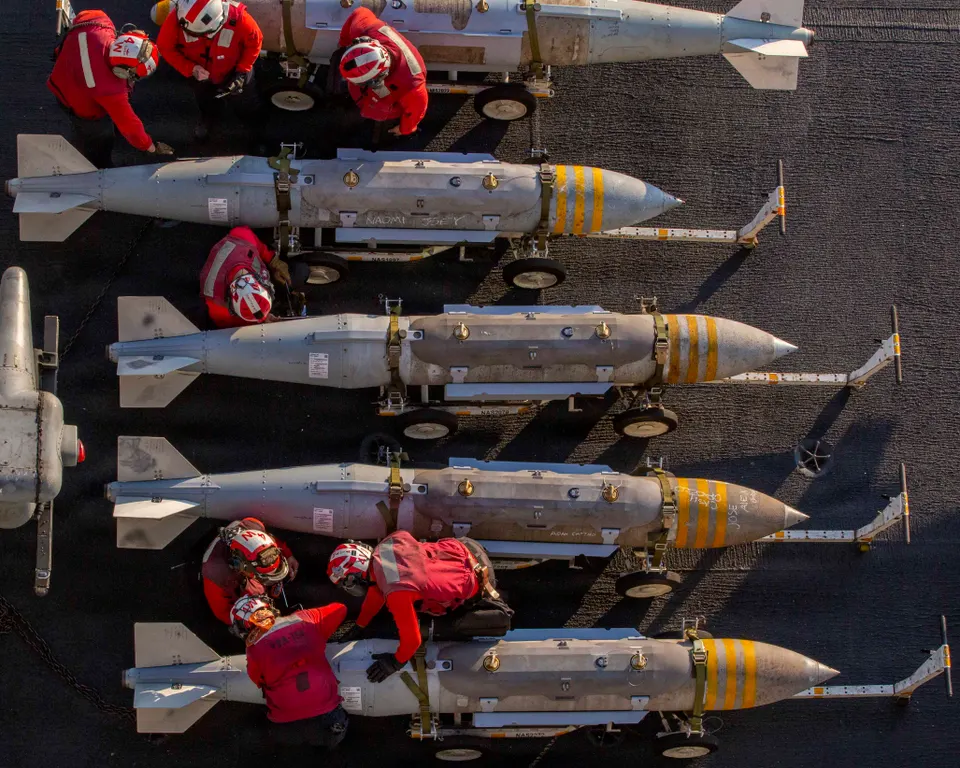
The human cost of the prolonged U.S. presence in the Middle East is starting to surface in a dramatic way. Reports from the aircraft carrier USS Lincoln, currently deployed to support the war effort against Iran, indicate 'dire conditions' for the crew. The ship has spent a record 260 uninterrupted days at sea, leading to a severe decline in mental health among sailors. There have been harrowing reports of crew members attempting to throw themselves overboard, a sign of extreme psychological fatigue that the Pentagon can no longer ignore.
, Public domain]
The USS Lincoln is scheduled to be replaced by the USS George Washington, currently en route from the Pacific. This rotation is not just a routine swap; it represents a strategic pivot. The U.S. Navy is struggling to maintain a high-tempo presence in the region without breaking its personnel. For Iran, this fatigue in the U.S. naval ranks suggests that while the blockade is 'indefinite' on paper, the physical and psychological limits of the American military are being tested to the breaking point.
This development matters because it could lead to a window of tactical shifts. If the U.S. is forced to reduce its carrier presence due to crew burnout, the regional power balance could shift. However, it also increases the risk of mistakes or 'accidental' escalations as exhausted personnel manage high-stakes weapon systems. Markets are watching these 'fatigue signals' closely, as any perceived weakness or sudden withdrawal could trigger a massive spike in regional volatility.
Fortress America: Trump’s 100% Tariff Wall
In a move that has sent shockwaves through global tech and manufacturing sectors, President Donald Trump has imposed tariffs of up to 100% on imported drones and aircraft components. The measures, which target both adversaries like China and traditional U.S. allies, are being framed as a national security necessity. Trump's administration argues that the U.S. must eliminate its reliance on foreign suppliers for critical technologies, effectively attempting to build a 'Fortress America' economic model.
This policy is already having a ripple effect. A new U.S. report suggests that China has been using dozens of third-party countries to 'dodge' previous tariffs, a practice the new 100% levies aim to crush. For the Iranian market, which often relies on gray-market imports of technology and drone components for both civilian and other uses, this could lead to a significant price hike. As the U.S. tightens its grip on global supply chains, the cost of high-tech hardware in Tehran is expected to soar.
Beyond just drones, this signals a broader shift toward extreme protectionism. If the U.S. continues to weaponize tariffs to this degree, global trade will become increasingly fragmented. For Iran, which is already largely decoupled from the Western financial system, this fragmentation creates both challenges in sourcing parts and opportunities to strengthen alternative trade routes with other 'sanctioned' or 'tariffed' nations like China and Russia.
Frequently Asked Questions
Why is the oil slick reaching Iranian beaches now?
What is driving the 4% weekly gain in oil prices?
How do Trump's 100% drone tariffs affect the Iranian market?
Why is the rotation of the USS Lincoln significant?
Strategic Chokepoints: The Strait of Hormuz
The Strait of Hormuz is one of the world’s most critical maritime chokepoints—a narrow waterway where a small geographic corridor controls the flow of a huge amount of global trade. About 20% of the world’s petroleum—roughly 21 million barrels per day—passes through this 21‑mile‑wide strait, linking the oil‑rich Persian Gulf with the open ocean. Because the route is so tight, any disruption—whether a naval blockade, a military skirmish, or even a large oil spill—can instantly ripple through global oil markets, pushing benchmark prices such as Brent crude up or down within hours.
Historically, the strategic importance of the Strait has made it a flashpoint for geopolitical tension. Iran, which borders the northern shore, has repeatedly threatened to close the passage in response to sanctions or perceived aggression, while the United States and its allies maintain a naval presence to ensure freedom of navigation. The 2019 incident when a U.S. warship was attacked near the strait underscored how quickly a localized event can trigger a spike in oil prices, as traders price in the risk of supply interruptions.
The concept of a “chokepoint” extends beyond the Strait of Hormuz to other narrow passages like the Suez Canal, the Panama Canal, and the Malacca Strait. Each serves as a bottleneck where geopolitical or physical disruptions can cause disproportionate economic effects. For investors and policymakers, understanding chokepoints helps explain why oil price volatility often spikes during regional crises, why nations invest in alternative routes or strategic petroleum reserves, and why diplomatic efforts focus on keeping these passages open.
In practical terms, the existence of a chokepoint influences several market mechanisms. First, it creates a risk premium: traders demand higher prices for oil that must traverse a potentially dangerous route. Second, it encourages diversification of supply chains—countries may seek to import oil from regions that can bypass the chokepoint, such as Russia’s pipelines to Europe. Finally, it motivates technological and logistical innovations, like the development of larger tankers that can carry more cargo per voyage, reducing the number of trips needed through constrained waterways.
For anyone following the latest headlines—whether it’s a sudden jump in Brent crude to $87 a barrel, a naval blockade off Iran’s coast, or a massive oil slick threatening coastal ecosystems—the Strait of Hormuz remains a key lens through which to interpret the broader economic and environmental implications.
Topics
Related Articles