Trump Threatens Hormuz Annexation as Tehran Defies 'Pipe Dream' Missile Claims
تهدید ترامپ به الحاق تنگه هرمز و واکنش تهران به ادعای نابودی توان موشکی
A volatile morning as Donald Trump threatens to declare the Strait of Hormuz a US territory, while Tehran dismisses claims that its missile capabilities have been neutralized.
At time of publishing
USD
187,000
Toman
Gold 18K
19.16M
Toman / gram
Bitcoin
$63,007
US Dollar
Tether
187,110
Toman
Market Open — Tensions Simmer in the Rial
The Iranian market opened this Saturday with a cautious but upward lean, reflecting the geopolitical noise from overnight. The US Dollar (USD/IRR) rose slightly from 186,700 to 187,000 Toman, a +0.2% increase that suggests traders are hedging against the latest rhetoric from Washington. This movement, while modest, indicates a market that is sensitive to the escalating verbal war over maritime corridors.
In the precious metals sector, the Emami coin showed the most significant volatility, jumping from 189,500,000 to 191,000,000 Toman, marking a +0.8% rise. Gold 18k followed suit with a +0.2% increase to 19,160,626 Toman per gram. Meanwhile, Bitcoin has struggled to maintain its momentum, slipping below the $63,000 mark as regulatory uncertainty and a "bear flag" pattern on technical charts weigh on investor sentiment globally.
The Battle for the Strait: Trump’s 'US Territory' Gambit
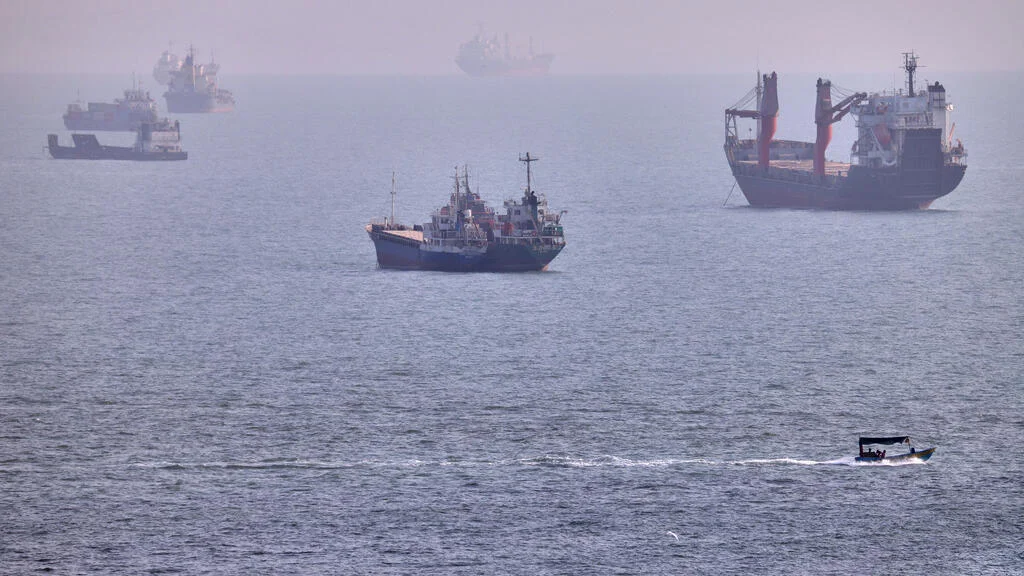
In a move that has sent shockwaves through diplomatic circles, former President Donald Trump, during a high-profile rally in New York, threatened to declare the Strait of Hormuz a "territory of the United States." Trump’s rhetoric centered on a promise to "finish defeating" Iran, suggesting that seizing control of the world’s most vital oil chokepoint is a viable strategic objective. This waterway facilitates the passage of approximately 20% of the world’s seaborne oil, making any threat to its status a direct challenge to global energy security.
Tehran was quick to respond to what it views as a flagrant violation of international law. Deputy Foreign Minister Kazem Gharibabadi stated emphatically that the Strait of Hormuz "will remain Iranian" and that any decision to open or close the waterway rests solely with Iran. This exchange marks a dangerous escalation in the war of words, moving beyond sanctions and into the realm of territorial sovereignty. For the average Iranian reader, this signals a period of heightened naval tension that could impact shipping insurance rates and, eventually, the cost of imported goods.
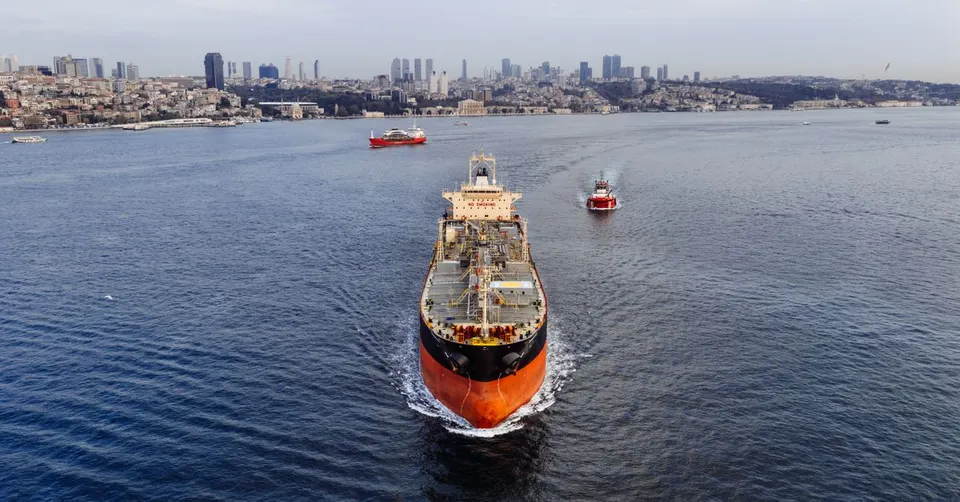
What makes this particularly concerning is the ambiguity of Trump’s intent. While some analysts dismiss it as campaign hyperbole, the mere suggestion of annexing a strategic waterway outside US borders challenges the United Nations Convention on the Law of the Sea. If pursued, such a policy would not only alienate US allies in the region but could also lead to a direct military confrontation in the Persian Gulf, a scenario that markets are only beginning to price in.
The Missile Capability Debate: Reality or 'Pipe Dream'?
Parallel to the maritime threats, a fierce debate has erupted over the state of Iran’s defensive capabilities. Recent claims from the White House suggested that US operations had successfully "destroyed" Iran’s ballistic missile infrastructure. However, this narrative is being challenged from within the US policy establishment itself. A former White House adviser, speaking to Al Jazeera, labeled the idea that Iran’s missile program has been neutralized as a "pipe dream," suggesting that the core technological and manufacturing base remains intact.
This discrepancy in intelligence reporting is crucial for understanding the current regional deterrent balance. If the US claims are exaggerated, it suggests a strategic overconfidence that could lead to miscalculation. Conversely, if Iran’s capabilities are indeed degraded, the regional power dynamic shifts significantly in favor of its rivals. For now, the Iranian government maintains that its missile program is a non-negotiable pillar of national security, intended to deter the very types of territorial threats recently voiced in New York.
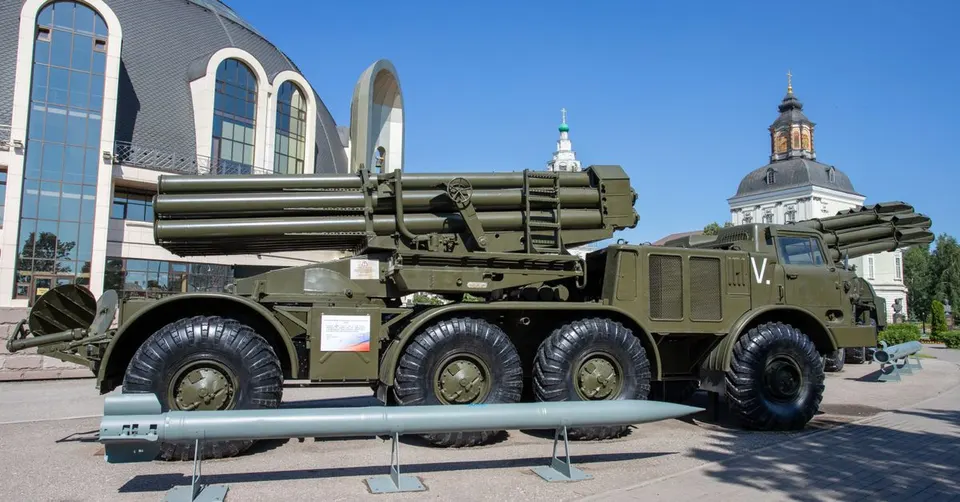
For the markets, the uncertainty surrounding military parity is a source of long-term risk. Security analysts point out that even a partially degraded missile force can still pose a significant threat to regional infrastructure and energy facilities. As long as the "pipe dream" debate continues, the risk premium on Iranian assets and regional oil exports is likely to remain elevated, preventing any meaningful recovery in the Rial’s value against major currencies.
The AOC Factor: A Glimpse into America’s Future?
While the current administration focuses on immediate conflict, a longer-term shift is brewing in US domestic politics that could redefine relations with Tehran. Congresswoman Alexandria Ocasio-Cortez (AOC) is increasingly being viewed as a serious contender for the 2028 presidential race. At a recent event in Chicago, she signaled that her ambitions are not merely for a title but to "change the country." This shift toward a more progressive, and potentially less interventionist, US foreign policy could offer a stark alternative to the hawkish stances of the current political frontrunners.

A potential AOC presidency represents a wildcard for Iran. On one hand, her wing of the Democratic party has historically been more critical of unconditional support for regional rivals and more open to diplomatic frameworks like the JCPOA. On the other hand, a radical shift in US domestic priorities could lead to unpredictable swings in sanctions enforcement and global trade alliances. For Iranians, watching the rise of AOC is not just about US social issues; it is about forecasting the potential for a diplomatic reset in the late 2020s.
However, the path to 2028 is long and fraught with obstacles. The current geopolitical heat, exacerbated by the scorched landscapes and record heatwaves seen across Europe, serves as a reminder that immediate environmental and security crises often derail long-term political shifts. As Europe grapples with drought and the US enters a volatile election cycle, the stability of the Middle East remains the world's most sensitive barometer of global health.
Frequently Asked Questions
What legal basis does Trump claim for annexing the Strait of Hormuz?
How has the Iranian market reacted to these overnight threats?
Is Iran's ballistic missile capability actually destroyed as the US claims?
Why is the rise of Alexandria Ocasio-Cortez relevant to Iranian finance?
Why the Strait of Hormuz Is a Global Energy Flashpoint
The Strait of Hormuz is a narrow waterway – only about 21 nautical miles wide at its narrowest point – that links the Persian Gulf with the open ocean. Its strategic value comes from geography: it sits between the oil‑rich nations of the Gulf (Iran, Iraq, Kuwait, Saudi Arabia, United Arab Emirates and Qatar) and the rest of the world. Because there is no viable alternative route for large crude‑oil tankers, any disruption here instantly reverberates through global energy markets.
Despite representing less than 1 % of the world’s sea lanes, the strait carries roughly 20‑30 % of the world’s petroleum – about 21 million barrels per day in 2023, according to the International Energy Agency. This concentration means that even a brief closure or a threat of military action can cause oil prices to spike, affect shipping insurance premiums, and force countries to reroute vessels around the Cape of Good Hope, adding weeks and thousands of miles to voyages.
The strait has been the stage for several high‑profile incidents: during the Iran–Iraq War in the 1980s, both sides mined the waterway; in 2019, attacks on tankers were blamed on Iranian‑aligned militias; and in 2020, a series of missile and drone strikes briefly halted traffic. Each episode reminded markets how fragile the flow of oil is when a geopolitical flashpoint is involved, prompting governments to keep naval forces on standby and to develop contingency plans.
When political leaders, such as former U.S. President Donald Trump, threaten extreme measures like “annexing” the strait, the rhetoric itself can be destabilising. Even without actual military action, the perception of risk prompts traders to hedge, investors to seek safe‑haven assets, and regional currencies – for example the Iranian rial (IRR) – to experience heightened volatility. In Iran, sanctions already depress the rial’s value against the dollar, and any escalation in Hormuz can exacerbate inflation and push citizens toward alternative stores of value, such as gold or locally issued coins like the Emami.
Understanding the Strait of Hormuz therefore offers a window into how geography, geopolitics, and economics intertwine. It explains why a seemingly local dispute can ripple through global oil prices, influence exchange‑rate dynamics, and shape the strategic calculations of powers far beyond the Persian Gulf.
Topics
Related Articles