Diplomatic Deadlock: US and Iran Miss Crucial Peace Deadline as Markets Brace for Volatility
بنبست دیپلماتیک: عبور آمریکا و ایران از ضربالاجل توافق بزرگ؛ بازارها در انتظار طوفان
A high-stakes deadline for a broad deal between Washington and Tehran has passed without an agreement, casting a shadow over the June ceasefire. As diplomatic efforts stall, the Iranian Rial remains under pressure while gold and crypto markets show signs of exhaustion.
At time of publishing
USD
186,500
Toman
Gold 18K
19.06M
Toman / gram
Bitcoin
$63,469
US Dollar
Tether
186,172
Toman
Market Open — The Calm Before the Storm
Good morning. As of 09:30 Tehran time, the currency market is opening with a heavy sense of anticipation. The US Dollar (USD/IRR) is currently trading at a sell rate of 186,500 Toman, showing a marginal change from yesterday's 186,450 (+0.0%). While the rate appears stable on the surface, the underlying tension in the open market suggests that traders are waiting for a clearer signal from the failed diplomatic front before making significant moves. Tether (USDT) is tracking closely at 186,172 Toman, maintaining its role as the primary bridge for local capital flight.
In the precious metals sector, Gold 18k per gram is holding steady at 19,056,743 Toman, effectively unchanged (0.0%) from the previous session's 19,065,977. However, the Emami coin has seen a slight uptick, rising from 189,000,000 to 190,000,000 Toman (+0.5%). This divergence often indicates a rise in local demand for physical hedging assets as political uncertainty grows. Meanwhile, Bitcoin is hovering around $63,469, struggling to break past the $64,000 resistance level amidst a broader global liquidity concern.
The Big Miss: US-Iran Deal Stalls at the Finish Line
The most significant story overnight is the failure of the United States and Iran to meet a critical deadline for a broad diplomatic agreement. Despite a ceasefire reached in June that many hoped would lead to a permanent resolution, both sides have effectively "blown through" the deadline, as reported by the New York Times. President Trump had initially signaled that the June agreement would pave the way for strict limits on Iran’s nuclear program and an end to the ongoing regional conflict, but the two nations remain fundamentally at odds over the specifics of sanctions relief and verification protocols.

, Public domain]
This failure is not just a diplomatic setback; it is a major economic trigger for Iran. For months, the market had priced in a "peace dividend," hoping that a broad deal would unlock frozen assets and ease the strangulating sanctions regime. With the deadline passed, that optimism is evaporating. The consequence for the average Iranian reader is a likely return to defensive financial positioning. If the diplomatic channel remains cold, we can expect the Central Bank of Iran to struggle with currency intervention, potentially leading to a more volatile Rial in the coming weeks.
Victory Claims vs. Reality: The Geopolitical Disconnect
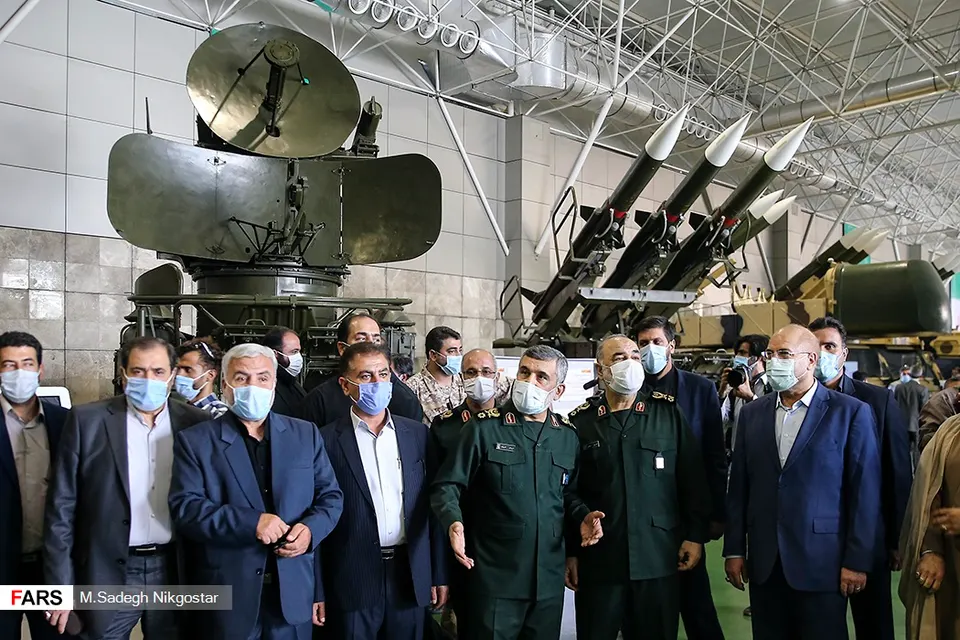
While international observers highlight the missed deadline, the narrative inside Tehran is starkly different. Mohammad Baqer Qalibaf, Iran’s Parliament speaker and a top negotiator, has publicly declared a "military and political victory" against the US and Israel. According to reports from Al Jazeera, the Iranian leadership is framing the current stalemate not as a failure of diplomacy, but as a successful resistance that forced the West to the table. This rhetoric is likely designed for domestic consumption to project strength despite the worsening economic indicators and the lack of a formal treaty.
However, the reality on the ground remains dangerous. The broader geopolitical landscape is further complicated by escalating strikes elsewhere, such as the Ukrainian strikes in Russia's Belgorod region that killed six people overnight. This global instability keeps the "risk-off" sentiment high, which usually drives investors toward gold and away from emerging market currencies. For Iranians, the disconnect between official "victory" claims and the reality of missed deadlines means that transparency remains low, making informed financial planning even more difficult.
Crypto’s Liquidity Trap: A Warning for Digital Investors
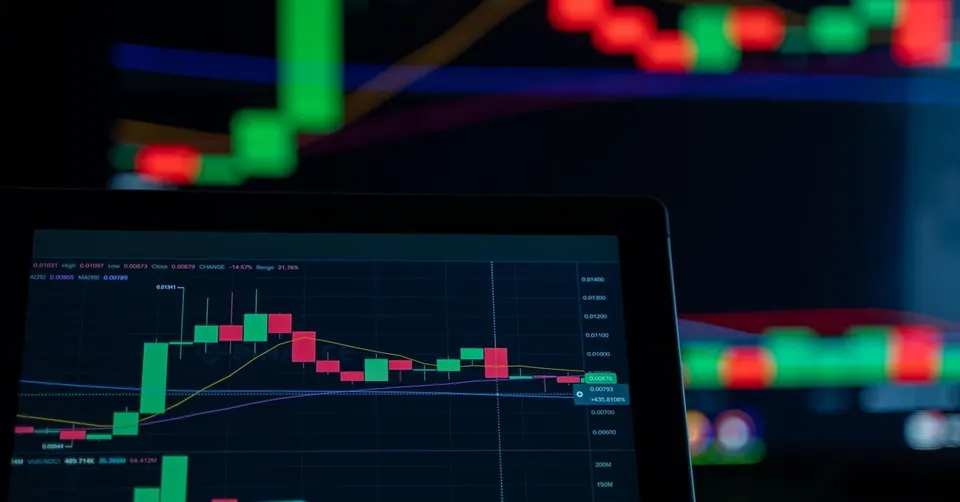
Turning to the digital frontier, Bitcoin is showing signs of a "liquidity mismatch" that could cause significant pain for latecomers. While BTC is currently trading at $63,469, analysts are warning that the futures market is becoming overcrowded. Open interest is outpacing actual trading volume, creating a scenario where a sudden price drop could lead to a massive liquidation event. For Iranian investors who have moved their savings into crypto to escape Rial inflation, this means the "safe haven" might be more volatile than expected in the short term.
Furthermore, the global political shift—exemplified by the rise of left-wing figures like Spain’s Pedro Sánchez—suggests a changing tide in how international conflicts are handled. Sánchez has been a vocal critic of military escalations, but his influence is yet to translate into a cohesive European policy that could help mediate the US-Iran standoff. As liquidity thins and political rhetoric heats up, the advice for the morning is caution. The markets are currently in a "wait and see" mode, but with the diplomatic deadline in the rearview mirror, the next move is likely to be a sharp one.
Frequently Asked Questions
Why did the US and Iran miss the diplomatic deadline?
How is the Iranian Rial reacting to the failed deadline?
What is the 'liquidity mismatch' in the Bitcoin market?
Will the failure of this deal lead to new sanctions?
Stablecoins and Sanctions Evasion: How Tether Bridges the Gap in Iran’s Financial Isolation
Stablecoins are a class of cryptocurrencies designed to hold a stable value by being pegged to a fiat currency, a commodity, or a basket of assets. The most widely used stablecoin, Tether (USDT), claims a 1:1 backing with the U.S. dollar, allowing users to move dollar‑denominated value across borders instantly and at low cost. Because the tokens exist on public blockchains, they can be transferred without relying on traditional banking channels that are often blocked by sanctions.
Iran has been under comprehensive U.S. sanctions for decades, restricting its ability to access the global financial system. These restrictions affect everything from oil exports to the ability of Iranian firms to receive payments in dollars. In response, Iranian traders and businesses have turned to crypto‑assets, especially stablecoins, to settle cross‑border transactions, hedge against the devaluation of the rial, and preserve liquidity. Tether’s price in tomans (the unofficial market rate) can diverge sharply from the official USD/IRR rate, creating arbitrage opportunities but also exposing participants to regulatory and counter‑party risk.
The use of stablecoins for sanctions evasion raises several concerns. First, the anonymity and speed of blockchain transfers make it difficult for authorities to trace illicit flows. Second, the backing reserves of some stablecoins are not always transparent, meaning that a sudden loss of confidence could trigger a liquidity crunch, as seen in past Tether market stresses. Finally, governments are debating how to regulate stablecoins, balancing the need to prevent illicit financing with the desire not to stifle legitimate financial innovation.
For investors and policymakers, understanding the mechanics of stablecoins is crucial. While they can provide a lifeline for economies under sanction, they also introduce new systemic risks—price volatility, reserve adequacy, and regulatory arbitrage. Monitoring the Tether‑to‑toman exchange rate, the volume of USDT transactions linked to Iranian entities, and the evolving legal landscape can help anticipate market turbulence and guide more effective sanctions enforcement.
Topics
Related Articles