Global Tensions Flare: Australia Rebukes Israel, UAE Halts Iran Trade, and Bitcoin Nears $70k
تنشهای جهانی اوج گرفت: اعتراض شدید استرالیا به اسرائیل، توقف تجارت امارات با ایران و جهش بیتکوین به ۷۰ هزار دلار
Global diplomacy is under strain as Australia reacts to Israel's strike investigation, while Iran faces a severe economic blow as the UAE halts trade under US pressure. Meanwhile, crypto markets are seeing record liquidations as Bitcoin eyes a major milestone.
At time of publishing
USD
190,300
Toman
Gold 18K
19.90M
Toman / gram
Bitcoin
$69,346
US Dollar
Tether
189,501
Toman
Market Open — Gold and Crypto Lead the Morning Charge
The Iranian Rial remains under significant pressure as we open this Thursday morning. The US Dollar is holding steady at a sell rate of 190,300 Toman, showing no change over the last 24 hours (+0.0%) but remaining at historically elevated levels. While the currency hasn't moved, the gold market is showing signs of heat. 18k gold has risen from 19,760,838 to 19,899,349 Toman per gram (+0.7%), and the Emami coin has ticked up from 198,000,000 to 199,000,000 Toman (+0.5%). This suggests that despite a flat dollar, local investors are seeking safety in bullion as geopolitical rhetoric from Washington sharpens.
In the global theater, the big story is the massive 'short squeeze' in the crypto markets. Bitcoin is currently trading at $69,346, having surged toward the $70,000 mark overnight. This rally has been catastrophic for bears; nearly $2.74 billion in short positions were liquidated in a single day, marking one of the largest wipeouts in market history. Ether followed suit, jumping 18% to $2,250. For the Iranian trader, this volatility is a double-edged sword, offering high-yield opportunities while the domestic Rial-based tether (USDT) sits at 189,501 Toman.
Australia Rebukes Israel as Diplomatic Friction and H5 Flu Rise
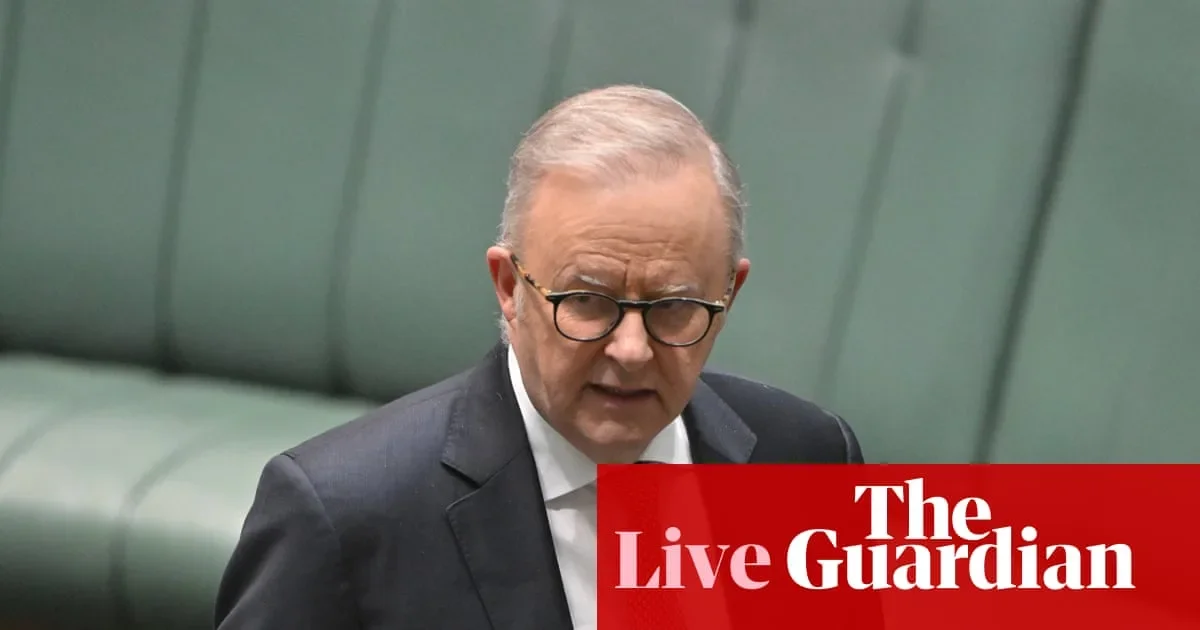
Prime Minister Anthony Albanese has labeled the Israel Defense Forces' (IDF) decision not to pursue criminal charges in the killing of aid worker Zomi Frankcom as an 'outrage.' Frankcom, an Australian citizen working for World Central Kitchen, was killed in a drone strike that has since become a symbol of the humanitarian cost of the conflict. The recent closure of the investigation without legal consequences has sparked a diplomatic firestorm in Canberra. Foreign Minister Penny Wong joined the chorus of condemnation, calling the decision 'insulting' to the family and the Australian public. This isn't just about a single tragic event; it represents a deepening rift between Western allies and Israel over the conduct of military operations.

Simultaneously, South Australia is grappling with a biological crisis as over 1,000 birds were found dead, suspected of carrying the H5 avian influenza. While seemingly unrelated to geopolitics, the combination of diplomatic tension and a potential health crisis adds to a 'risk-off' mood in the Pacific region. For global markets, these developments signal that the geopolitical landscape remains incredibly fragile. When a key Western ally like Australia begins using terms like 'outrage' against Israel, it suggests a shift in the international consensus that could eventually lead to further diplomatic isolation or shifts in trade support.
The Economic Noose: UAE Halts Trade and Trump's 'Crushing' Threats
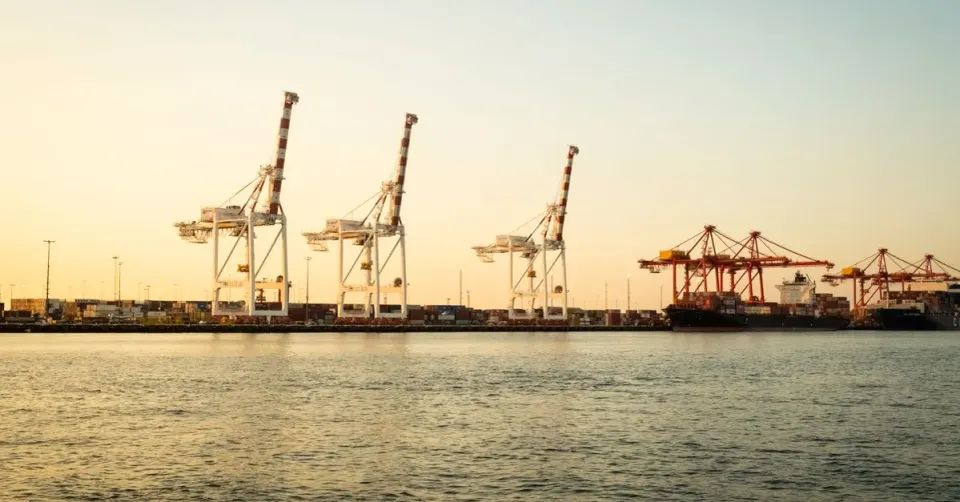
In a move that could have devastating consequences for the Iranian economy, the United Arab Emirates has reportedly announced a halt to trade with Iran. According to reports from the New York Times, the UAE — long considered the primary 'economic lung' for Tehran to bypass sanctions — is bowing to intense pressure from the Trump administration. For decades, Dubai has served as a re-export hub where Iranian businesses could access global markets and hard currency. If this 'halt' is fully implemented, the Iranian private sector loses its most vital link to the outside world, potentially leading to severe shortages and further devaluation of the Rial.
This move coincides with Donald Trump’s latest escalation on Truth Social, where he announced the 'most crushing economic operation ever taken against any country.' Trump explicitly threatened 'tremendous economic consequences' for any nation — including giants like China — that provides a 'lifeline' to Tehran. This is no longer just about oil; it’s a total financial and logistical blockade. The objective is to isolate Iran so completely that the domestic economy cannot function without a new, drastic diplomatic settlement. For the average Iranian, this means the cost of imported goods, from electronics to essential parts, is likely to spike as the 'Dubai route' narrows.
Energy Shifts: China Pivots to Iraqi Oil Amid Hormuz Fractures
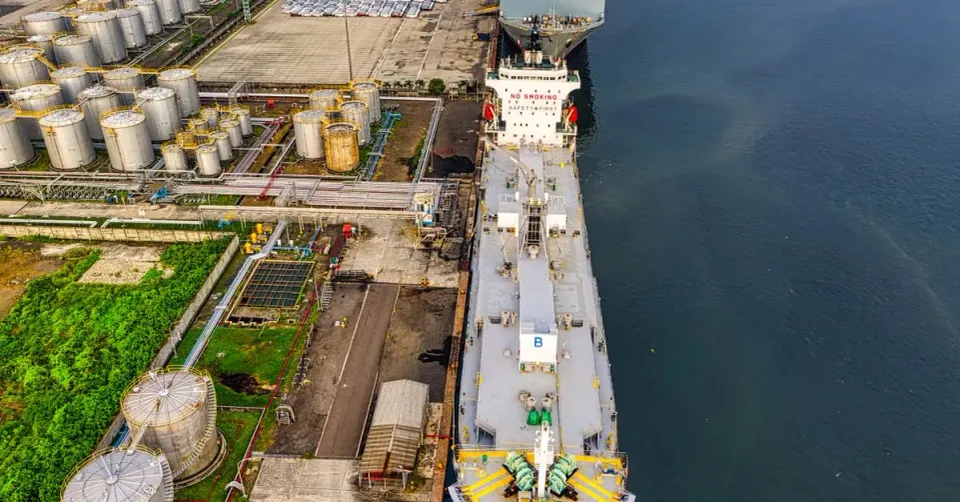
As the 'blockade' of the Strait of Hormuz continues to restrict the flow of energy, global supply chains are adapting in real-time. Chinese refiners, sensing a prolonged squeeze, have begun 'snapping up' Iraqi crude oil. Recent data shows purchases of 8 million barrels of Basrah Heavy and Basrah Medium for immediate delivery. This pivot is a direct result of the fracture in Gulf supply routes; while some tankers are still braving the Strait, traffic is down significantly — from 118 crossings to just 95 in a single week.
What does this mean for the bigger picture? It shows that China is not waiting for a resolution to the regional conflict. By securing Iraqi oil, which can be exported via alternative routes or more secure channels, Beijing is hedging against a total shutdown of Iranian supply. This 'physical squeeze' is starting to worry traders who previously bet on a quick diplomatic fix. With diesel shortages brewing globally and coal still reigning supreme in power generation, the energy market is entering a period of high volatility. If the Strait of Hormuz remains a bottleneck, the 'risk premium' on every barrel of oil will keep prices — and global inflation — uncomfortably high.
Frequently Asked Questions
Why is the UAE halting trade with Iran now?
What does the 'short squeeze' in Bitcoin mean for retail traders?
How will the Strait of Hormuz blockade affect Iranian oil exports to China?
Is the H5 flu in Australia a threat to global trade?
Understanding Secondary Sanctions: How They Shape Global Trade
Secondary sanctions are a powerful tool that richer nations, especially the United States, use to extend the reach of their primary sanctions beyond their own borders. While a primary sanction forbids a domestic entity from dealing with a targeted country or individual, a secondary sanction threatens foreign firms with penalties—such as being cut off from the U.S. financial system—if they continue to provide goods, services, or financing to the primary target. This creates a chilling effect: even companies that are legally allowed to trade under their own national laws may choose to stop the business to avoid losing access to the world’s largest market and its dollar‑based banking network.
The mechanism works through the U.S. Treasury’s Office of Foreign Assets Control (OFAC), which publishes a list of secondary sanctions programs. For example, the Iran‑related secondary sanctions prohibit non‑U.S. entities from dealing in Iranian oil, petrochemicals, or certain financial transactions unless they obtain a specific license. If a company in the United Arab Emirates continues to ship Iranian crude, OFAC can freeze any of its assets held in the United States and ban its subsidiaries from using the U.S. dollar clearing system. The recent decision by the UAE to halt trade with Iran illustrates how secondary sanctions can force a sovereign state’s private sector to comply with U.S. policy, even when the state itself has not formally adopted the sanctions.
The ripple effects are far‑reaching. Secondary sanctions can reshape global supply chains, push trade toward alternative currencies, and incentivise the use of cryptocurrencies like Bitcoin to evade dollar‑based controls. They also impact commodity markets: a threatened reduction in Iranian oil exports can tighten global supply, lift prices, and shift shipping routes, such as those through the Strait of Hormuz. Moreover, the sanctions environment can affect exchange rates, as seen in the volatile USD/IRR price, and even influence the price of safe‑haven assets like gold, which often rise when geopolitical risk spikes.
Critics argue that secondary sanctions undermine multilateralism and can harm ordinary citizens in the targeted country by restricting access to essential goods. Proponents claim they are an essential lever for foreign policy when diplomatic avenues are limited. Understanding how secondary sanctions operate helps explain why countries like Australia publicly rebuke Israel’s actions, why the UAE may suspend Iranian trade, and why investors watch Bitcoin’s price as a potential hedge against sanctions‑driven market turbulence.
Topics
Related Articles