Economic D-Day: Tehran Braces for 'Greatest Financial Offensive' as Hormuz Tensions Flare
دیدی اقتصادی: تهران آماده «بزرگترین تهاجم مالی» تاریخ؛ تنش در هرمز بالا گرفت
The US has launched what it calls an 'Economic D-Day' against Iran, targeting crypto-linked oil payments and maritime routes. As Tehran vows a shift from defense to attack, global markets are reacting to a tanker strike in the Strait of Hormuz and Bitcoin's historic surge past $80,000.
At time of publishing
USD
203,700
Toman
Gold 18K
22.38M
Toman / gram
Bitcoin
$80,699
US Dollar
Tether
202,880
Toman
Market Open — The Golden Rally and the $200K Dollar
Good morning. The Tehran market opened today under the heavy shadow of geopolitical escalation. The US Dollar (sell) edged up slightly, moving from 203,500 to 203,700 Toman (+0.1%), signaling a market that is cautiously waiting for the next shoe to drop. While the currency move was modest, the gold market showed significantly more anxiety. 18k gold jumped by 1.3%, rising from 22,103,975 to 22,380,996 Toman per gram, as investors scrambled for safe-haven assets following reports of renewed friction in the Persian Gulf.
Emami coins followed suit, rising 0.9% to reach 224,000,000 Toman. In the digital world, the atmosphere is electric; Bitcoin has officially breached the $80,000 mark, currently trading at $80,699. This rally, fueled by US Treasury policy shifts, has created a dichotomy for Iranian investors: a booming global crypto market versus a tightening domestic economic noose. The spread between the buy and sell rates for USD remains narrow, suggesting high liquidity and a tense consensus among traders that the current floor is firm.
The 'Economic D-Day': Washington’s Final Squeeze
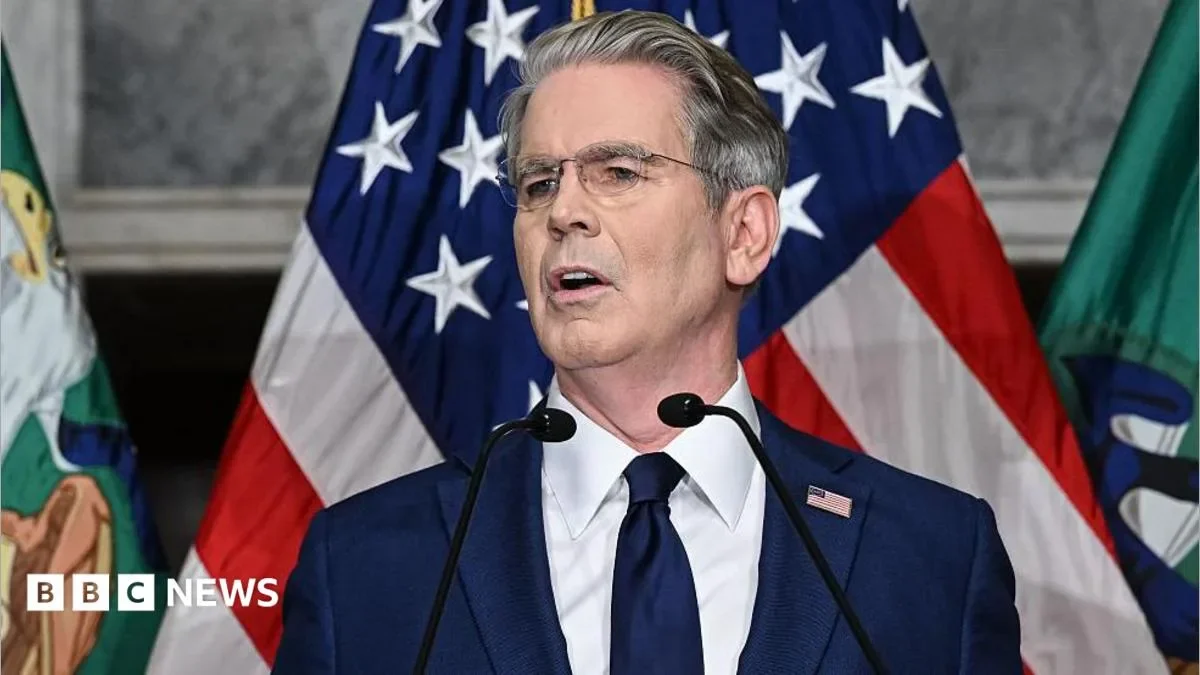
The lead story globally this morning is the official commencement of what US Treasury Secretary Scott Bessent has termed an "Economic D-Day" against the Iranian financial system. This isn't just another round of sanctions; it is a coordinated effort to dismantle the remaining "shadow banking" networks that facilitate Iranian trade. Specifically, the US Treasury has expanded its reach into the digital asset sector, alleging that a UAE-based broker processed over $100 million in crypto-linked payments for Iranian oil sales. This move signals that the era of using decentralized networks as a safe bypass for crude exports is facing its most rigorous challenge yet.
Tehran’s response has been uncharacteristically blunt. Economy Minister Ali Madanizadeh stated that Iran is "fully prepared" and warned that the country’s posture is shifting from "defensive to offensive." While the government claims to have tools to counter this "economic terrorist attack," the reality on the ground is one of increasing isolation. By targeting the UAE-based intermediaries, Washington is hitting the primary nodes where the Iranian economy still breathes. Analysts suggest this could lead to a significant liquidity crunch in the coming weeks if new conduits are not established quickly.
What this means for you is a likely increase in the volatility of the Nima rate and a potential squeeze on the availability of hardware and imported goods. When the US uses the term "D-Day," they are signaling an all-out effort to disconnect Iran from the global financial grid entirely. The focus on crypto is particularly telling; it shows that the "invisible" channels are now very much visible to Western regulators.
Fire in the Strait: The Shadow War Moves to the Water
While the financial war rages on screens, a physical one is escalating in the Strait of Hormuz. Early Tuesday, an oil tanker was struck by a projectile off the coast of Oman. While no casualties were reported, the United Kingdom Maritime Trade Operations (UKMTO) confirmed the vessel sustained damage. This incident follows Tehran’s effective blockade of the strait—a move intended to extract tolls from passing vessels and punish those accused of circumventing Iranian maritime preferences.
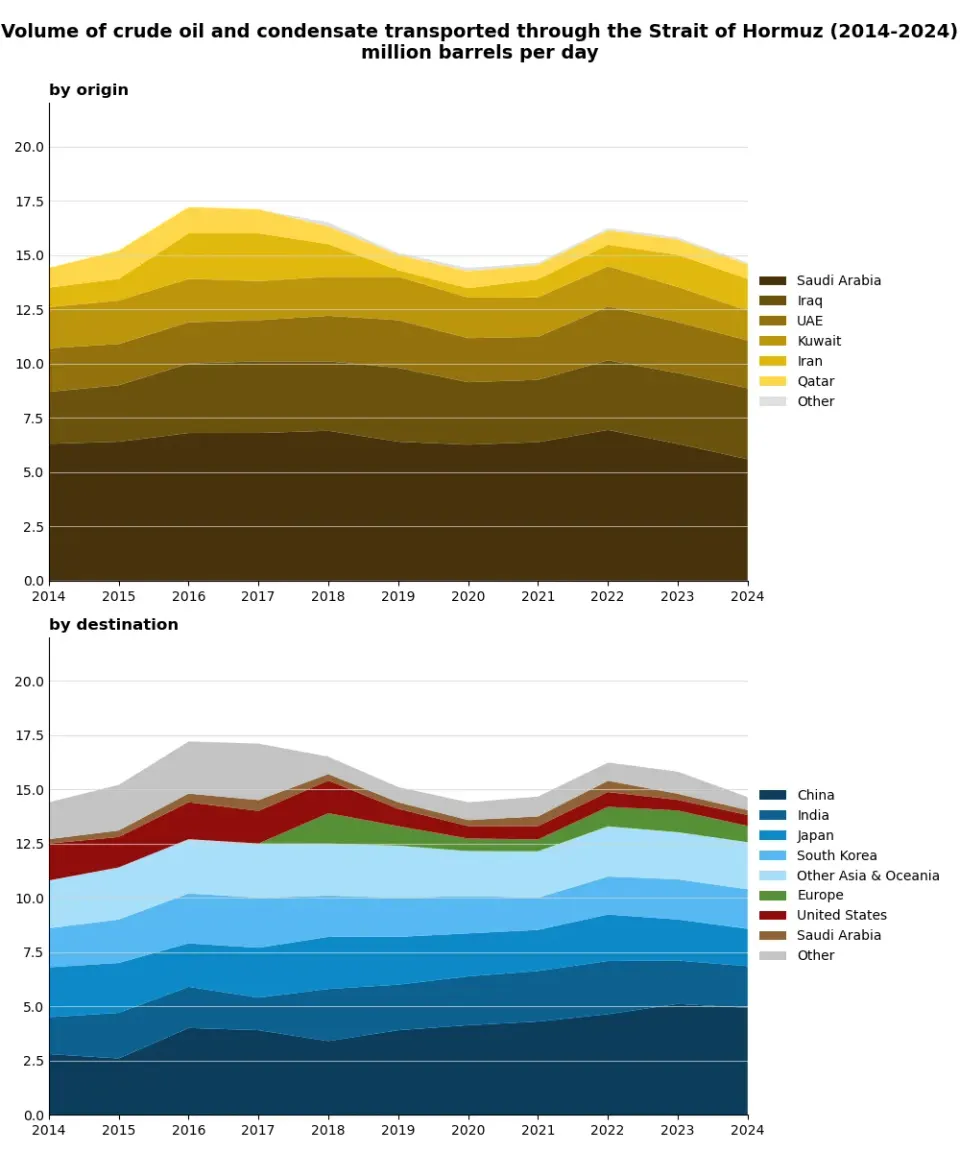
The geopolitical stakes could not be higher. Iranian officials have recently pledged that if sanctions continue to tighten, "not a single drop of oil" will leave the Gulf. This isn't just rhetoric; the strike near Oman suggests a tactical shift toward making the world’s most vital energy artery too expensive to insure. For the Iranian reader, this translates to a double-edged sword: while higher global oil prices theoretically help the budget, the increased risk of military miscalculation puts immense pressure on the Toman and drives up the cost of every imported calorie.
This maritime friction is the direct consequence of the breakdown in diplomatic backchannels. As the US widens its net, Iran is demonstrating its ability to disrupt the global energy supply. If these skirmishes turn into a sustained conflict, the current gold rally we are seeing in Tehran is likely just the beginning of a much larger flight to safety.
The North American Front: Trump’s 50% Tariff Hammer
Finally, the global economy is being rocked by a massive fracture in the US-Canada relationship. Negotiations between the two neighbors have collapsed into an "all-out trade war," with President Trump threatening to impose 50% tariffs on Canadian cars, trucks, and steel starting January 2027. This development is crucial because it shows that the current US administration is moving toward an isolationist, high-tariff regime globally, not just toward its adversaries.
For global markets, this means the era of predictable trade is over. If the US is willing to treat its closest neighbor and largest trading partner with such hostility, the pressure on "high-risk" jurisdictions like Iran will only intensify. The 50% tariff threat has already sent shockwaves through the Canadian auto industry and is contributing to a global move toward the US Dollar and Bitcoin as traditional trade-linked currencies falter. As an Iranian investor, watching the US-Canada spat provides a blueprint: we are entering a world where economic policy is used as a blunt-force weapon, and diversification out of traditional trade-linked assets is becoming a necessity, not a choice.
Frequently Asked Questions
What is the 'Economic D-Day' mentioned by US officials?
Why did gold prices jump more than the US Dollar today?
How does the US-Canada trade war affect the Iranian economy?
Is Bitcoin's rise to $80,000 linked to the sanctions on Iran?
How Cryptocurrencies Enable Sanctions Evasion in the Oil Market
Economic sanctions are tools that governments use to pressure target countries by restricting trade, finance, and access to critical resources such as oil. While sanctions aim to isolate a regime and limit its revenue streams, they also create incentives for creative work‑arounds. Historically, nations under sanctions have relied on clandestine shipping routes, front companies, and barter deals to keep oil flowing and cash coming in.
With the rise of digital assets, a new layer of evasion has emerged: cryptocurrencies. Because blockchain transactions can be conducted across borders without a traditional banking intermediary, they offer a quasi‑anonymous channel for paying for oil or receiving proceeds. Actors can accept stablecoins pegged to the US dollar, use privacy‑focused coins, or employ mixers that obscure the origin of funds, making it harder for sanction‑enforcing agencies to trace payments.
In practice, an oil‑producing country like Iran may sell crude to a buyer who pays in Bitcoin or a stablecoin on a peer‑to‑peer platform. The crypto is then transferred to an offshore wallet, converted into fiat through a cryptocurrency exchange that operates in a jurisdiction with lax oversight, and finally moved into the sanctioned country’s economy. This chain bypasses the conventional SWIFT network and can evade detection by financial intelligence units that focus on traditional banking channels.
The proliferation of crypto‑based sanctions evasion poses significant challenges. It undermines the effectiveness of sanctions, fuels illicit finance, and can destabilize oil markets by allowing sanctioned producers to continue funding their activities. Regulators worldwide are responding by tightening anti‑money‑laundering (AML) rules for crypto exchanges, expanding sanctions lists to include digital‑asset addresses, and enhancing blockchain analytics capabilities. However, the rapid evolution of the technology means the cat‑and‑mouse game is likely to continue for the foreseeable future.
Topics
Related Articles