9/11 Mastermind's Trial Looms, Nepal Flood Devastation, and AI's Growing Market Influence
محاکمه مغز متفکر ۱۱ سپتامبر نزدیک است، فاجعه سیل نپال، و نفوذ فزاینده هوش مصنوعی در بازار
Overnight, a trial date was set for Khalid Sheikh Mohammed, the alleged mastermind of the 9/11 attacks, raising geopolitical tensions. Meanwhile, a catastrophic glacial flood in Nepal and Tibet has left over 1,300 people missing, highlighting extreme weather events. On the market front, AI continues to dominate headlines, with cybersecurity firms like CrowdStrike reporting record quarters fueled by AI demand.
At time of publishing
USD
200,300
Toman
Gold 18K
21.54M
Toman / gram
Bitcoin
$78,833
US Dollar
Tether
199,497
Toman
Market Open: A Cautious Start Amidst Geopolitical Ripples
The Iranian Toman is trading relatively stable this morning, with the USD sell price at 200,300 and buy at 199,115. The 24-hour delta shows a slight downtick for the dollar against the Toman, indicating a marginal strengthening of the local currency, though the change is flat at 0.0% on the day. Gold prices, however, are showing a slight dip, with 18k gold per gram falling 0.4% to 21,538,390 Toman. The Emami coin has also seen a modest decline of 0.5%, settling at 215,000,000 Toman. These movements suggest a cautious market sentiment, perhaps influenced by the geopolitical developments unfolding globally.
Globally, Bitcoin hovers below $79,000, with XRP leading losses as traders price in a potential Federal Reserve rate hike. While major tokens are mostly flat or lower over 24 hours, Bitcoin still boasts a significant 14% gain over the past week. The correlation between geopolitical events and market risk appetite remains a key factor for traders. Investors will be closely watching how these international developments impact currency expectations and capital flows, both domestically and abroad.
---
Trial Date Set for 9/11 Mastermind Khalid Sheikh Mohammed
In a significant development that will reverberate through international justice circles and geopolitical discourse, a trial date has been officially set for Khalid Sheikh Mohammed, the individual widely identified as the principal architect of the September 11, 2001, terrorist attacks. This marks a crucial step forward in a long-delayed process, following the rejection of a plea deal aimed at avoiding a death-penalty trial by a federal appeals court last summer. The setting of a trial date signals a renewed push to bring this high-profile case to a conclusion, potentially reopening old wounds and reigniting debates about justice, accountability, and the broader implications for global security.
The implications of this trial extend far beyond the courtroom. For Iran, while not directly involved, the renewed focus on such a pivotal event in recent history can subtly influence regional stability perceptions and investor confidence. Markets often react to perceived increases in geopolitical risk, and the proceedings involving KSM could be interpreted as a signal of ongoing global security concerns. This could translate into currency volatility or shifts in investment strategies as markets brace for potential pronouncements or developments stemming from the trial. The legal process itself, with its potential for extensive testimony and revelations, may also shed further light on the intricate web of international relations and the enduring impact of the 9/11 attacks.

---
Devastating Glacial Flood in Nepal and Tibet Leaves Over 1,300 Missing
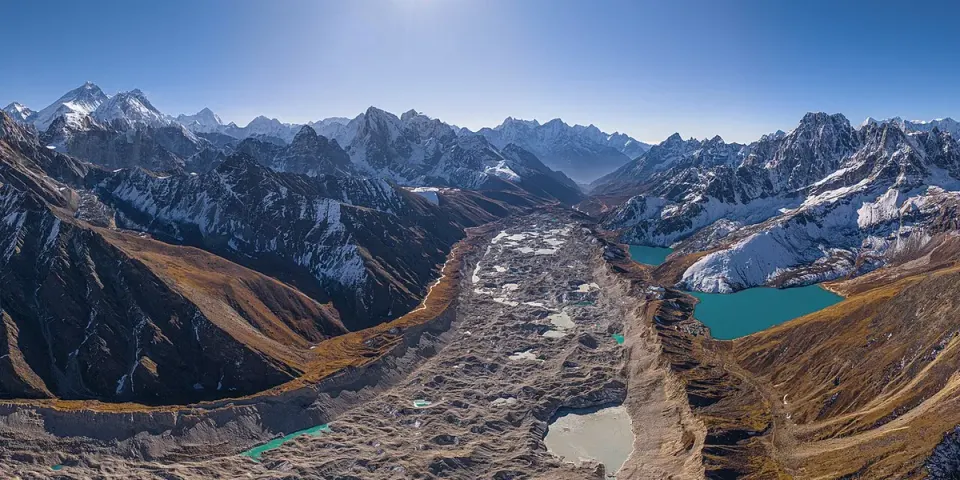
A catastrophic glacial flood, triggered by an ice avalanche in the Himalayas, has swept through villages in Nepal and the Tibet region of China, leaving a trail of devastation. Authorities have confirmed at least 160 fatalities, with the number of missing persons tragically climbing to over 1,300. This disaster, described by eyewitnesses as a powerful torrent, has pulverized ice and caused widespread destruction, knocking down trees and electricity poles. The scale of the event underscores the increasing threat posed by climate change and extreme weather phenomena in high-altitude regions.
The international community is mobilizing to respond to the crisis, with hundreds of foreign nationals from countries including India, the US, the UK, Australia, Malaysia, and Ukraine reported among the missing. The event serves as a stark reminder of the vulnerability of communities living in the shadow of the Himalayas. For global markets, while the direct financial impact may be localized, the broader implications are significant. Such extreme weather events can disrupt supply chains, impact commodity prices (especially if they affect regional infrastructure or resource extraction), and underscore the increasing costs associated with climate adaptation and disaster relief. This tragedy also heightens awareness of the fragility of regional stability and the potential for climate-induced disasters to create humanitarian crises that demand international attention and resources.
---
AI Fuels Record Quarters for Cybersecurity Firms Amidst Market Enthusiasm
Artificial intelligence continues to be a dominant force in the corporate world, driving significant growth for companies at the forefront of the AI revolution. CrowdStrike Holdings, a prominent cybersecurity firm, has reported its 'best quarter in history,' with its stock soaring in response. This remarkable performance is largely attributed to the burgeoning demand for AI-powered security solutions, as businesses grapple with increasingly sophisticated cyber threats, many of which are amplified or even generated by AI itself.
The narrative around AI's impact on markets is multifaceted. While it presents new challenges, such as the potential for AI-driven cyberattacks, it also offers powerful tools for defense. Companies like CrowdStrike are capitalizing on this dual reality, demonstrating how AI can be leveraged to enhance cybersecurity capabilities and generate substantial revenue. This trend highlights a broader market dynamic where AI is not just a technological advancement but a fundamental driver of economic activity, influencing investment decisions, market valuations, and the strategic direction of numerous industries. For investors, understanding the AI landscape and identifying companies effectively harnessing its power is becoming paramount for navigating the current market environment.

Frequently Asked Questions
What is the significance of setting a trial date for Khalid Sheikh Mohammed?
How can the Nepal flood disaster impact global markets?
Why are cybersecurity companies like CrowdStrike seeing such strong growth?
What is the current state of Bitcoin and the broader crypto market?
How might the Khalid Sheikh Mohammed trial indirectly affect Iran's economy?
Glacial Lake Outburst Floods (GLOFs): What They Are and Why They Matter
Glacial lake outburst floods, commonly abbreviated as GLOFs, occur when a dam—usually composed of ice, moraine, or rock—holding back a high‑altitude lake fails suddenly. The breach releases a massive volume of water that can surge down valleys at speeds of tens of metres per second, destroying infrastructure, farmland, and even entire villages. In the Himalayas, rapid glacier melt driven by climate change has created dozens of new proglacial lakes, raising the risk of GLOFs across Nepal, Bhutan, and the Tibetan plateau.
The mechanics of a GLOF are a cascade of triggers. Rising temperatures increase meltwater input, raising lake levels. Heavy rainfall or seismic activity can destabilise the moraine dam, while internal erosion (piping) can create a hidden channel that rapidly enlarges. Once the dam breaches, the flood wave can travel dozens of kilometres, eroding riverbanks and depositing sediments far downstream. The 2023 GLOF in the Imja Lake basin, for example, sent a torrent that damaged roads and hydro‑electric facilities in the Khumbu region, illustrating how quickly a remote mountain event can impact national economies.
Why should policymakers and the public care? First, GLOFs pose a humanitarian risk: loss of life, displacement, and loss of livelihoods are common outcomes. Second, they threaten critical infrastructure such as roads, bridges, and power plants that are essential for tourism and trade in mountainous economies. Third, they act as a climate change indicator; the frequency and magnitude of GLOFs have risen sharply in the past two decades, mirroring accelerated glacier retreat worldwide. Early warning systems—using remote sensing, ground‑based sensors, and community alert networks—have proven effective in reducing casualties, as seen in Bhutan’s successful mitigation program.
Mitigation strategies fall into three broad categories: (1) Structural interventions, like lowering lake levels with controlled drainage tunnels; (2) Engineering reinforcement, strengthening moraine dams with rockfill or concrete; and (3) Non‑structural measures, including risk mapping, land‑use planning, and public education. International bodies such as the World Bank and the United Nations Development Programme (UNDP) are financing pilot projects in the Himalayas to combine these approaches, aiming to protect vulnerable downstream communities while preserving the fragile mountain ecosystems.
Understanding GLOFs is essential for anyone interested in climate adaptation, disaster risk reduction, or the geopolitics of water in South Asia. As glaciers continue to shrink, the balance between natural beauty and natural hazard will hinge on how effectively societies can anticipate and respond to these sudden, devastating floods.