Six Months of Attrition: The Iran-US Conflict Reshapes the Gulf as AI Wins a Legal Battle Against the White House
شش ماه در برزخ جنگ؛ بنبست فرسایشی در خلیج فارس و پیروزی بزرگ هوش مصنوعی بر دولت ترامپ
As the conflict between Iran and the US hits the half-year mark, Gulf states face a permanent state of economic uncertainty despite a surprising dip in oil prices. Meanwhile, a US federal judge has dealt a major blow to the administration’s tech policy, ruling the blacklist of AI giant Anthropic illegal.
At time of publishing
USD
201,500
Toman
Gold 18K
21.69M
Toman / gram
Bitcoin
$79,734
US Dollar
Tether
199,905
Toman
Market Open — Toman Holds Its Breath at the 200k Threshold
Good morning. The Iranian markets open today in a state of eerie stillness, with the US Dollar holding firm at the 201,500 Toman mark. Despite the heavy geopolitical clouds, the 24-hour delta for USD/IRR stands at a flat 0.0%. This stability at such a high psychological level suggests that while the market has priced in the current state of 'controlled' conflict, there is little appetite for speculative betting in either direction. Traders seem to be waiting for a definitive signal from the front lines or the diplomatic backchannels.
In the precious metals sector, we see a minor correction. Gold 18k/gram slipped slightly to 21,688,443 Toman, a marginal decrease of 0.1%. The Emami coin remains unchanged at 216,000,000 Toman. Meanwhile, the global crypto market is showing signs of fatigue; Bitcoin has dipped below the $80,000 resistance level, currently trading at $79,734. For the Iranian investor, the current landscape is one of preservation rather than growth, as the 'war premium' remains baked into every transaction.
Six Months of Attrition: The New Normal in the Persian Gulf
We have officially reached the six-month milestone of the direct and indirect military confrontation between Iran and the United States. What was initially feared to be a lightning strike leading to immediate regime collapse or total regional war has instead devolved into a grueling war of attrition. According to recent reports from the region, Gulf Arab states are now facing the 'tough questions' they hoped to avoid: how to maintain their ambitious economic diversification plans when their waters are no longer guaranteed safe for the world's energy supply.
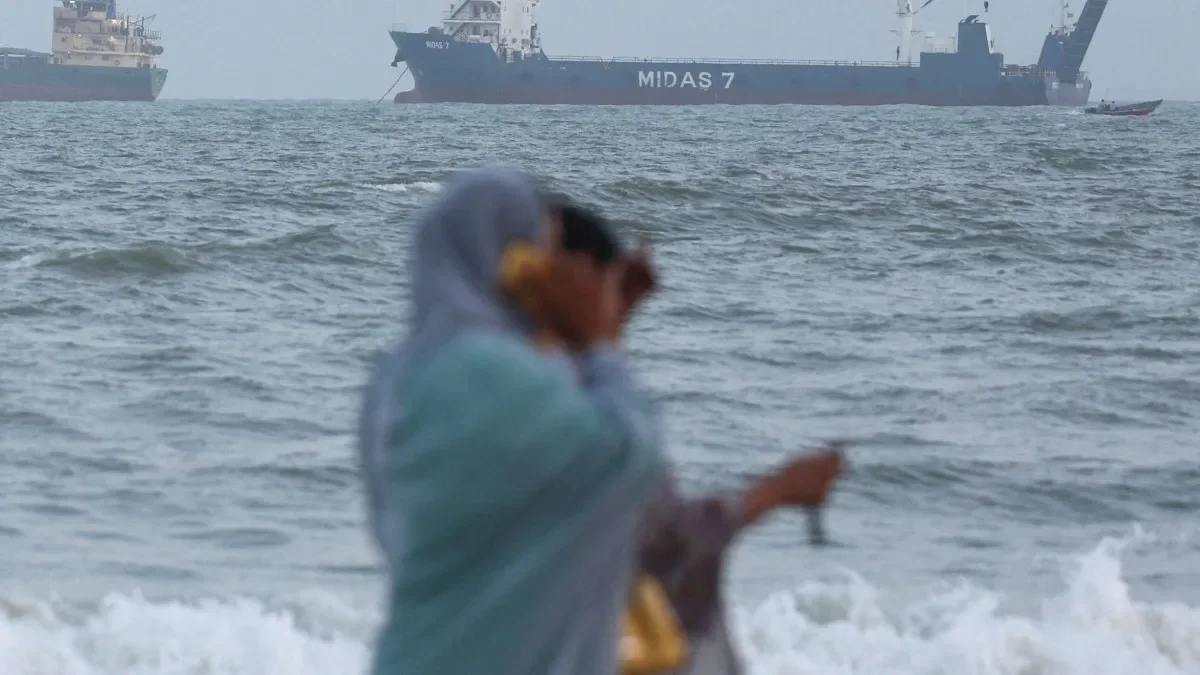
Interestingly, global oil prices are not reacting with the explosive volatility one might expect. Brent crude is actually heading for a weekly loss of over 5%, trading near $89.17 per barrel. This disconnect stems from two factors: a significant drop in actual tanker traffic through the Strait of Hormuz—which has forced markets to look elsewhere for supply—and a cooling global economy that is dampening demand. Inside Iran, the acting Defense Minister, Brigadier General Majid Ibn Reza, claimed yesterday that the 'balance of power' has permanently shifted, asserting that the era of Western dominance in regional waters is over. However, for the average citizen, this shift is measured in the cost of imported goods and the persistent 200k Toman dollar.
This prolonged state of conflict is creating a 'risk fatigue' among international investors. While the Gulf economies remain resilient for now, the long-term uncertainty is starting to bleed into credit ratings and foreign direct investment. The 'regime collapse' scenario that some hawks in Washington predicted has not materialized; instead, the Iranian state has settled into a defensive posture that prioritizes internal control and proxy pressure, leaving the region in a state of permanent, low-boil crisis.
A Legal Blow to the White House: The Anthropic Ruling
In a major development for the global tech landscape, a federal judge ruled late Thursday that the Trump administration’s decision to blacklist the AI startup Anthropic was illegal. The court found that the Pentagon and the administration violated the company’s First Amendment rights when they placed it on a restrictive list earlier this year, effectively barring it from government contracts and certain international collaborations. This ruling is a significant victory for the AI industry, which has been increasingly at odds with the current administration’s aggressive 'national security' vetting of emerging technologies.

The lawsuit, filed in March, accused the government of unlawful retaliation. The judge’s decision suggests that the administration cannot use 'national security' as a blanket excuse to punish companies that disagree with its policy directives or refuse to grant the military unfettered access to their proprietary models. For the broader market, this signals a potential check on executive power over the tech sector, which could lead to a relief rally for AI-adjacent stocks like Marvell and Nvidia, even as analysts remain cautious about the long-term regulatory environment.
Disaster at the Roof of the World: Floods Devastate Nepal and Tibet
While the world's eyes are on the Middle East, a humanitarian catastrophe is unfolding in the Himalayas. Rescuers are currently searching for over 1,400 people missing after devastating floods and landslides swept through Nepal and Tibet. Officials report that hundreds have already been confirmed dead, with entire villages literally carried away by torrents of debris in a matter of minutes. The scale of the destruction is being described by witnesses as 'unprecedented,' even for a region accustomed to monsoon volatility.
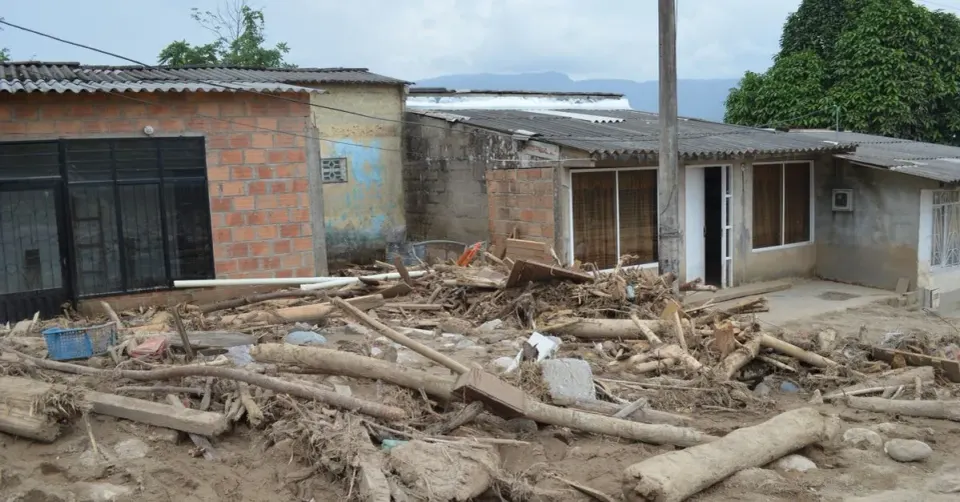
The situation remains critical as China warns of a 'high risk' that a newly formed glacial lake near the border could burst, potentially triggering a second, even more destructive wave of flooding. This disaster highlights the extreme vulnerability of regional infrastructure to climate-driven events. Beyond the human toll, the disruption of trade routes between China and South Asia through these mountain passes adds another layer of complexity to a global supply chain already strained by the maritime blockades in the Persian Gulf.
Frequently Asked Questions
Why is the USD/IRR stable despite the ongoing conflict?
How is the Iran-US war affecting global oil prices?
What does the Anthropic ruling mean for the AI industry?
The Geopolitical Significance of the Strait of Hormuz
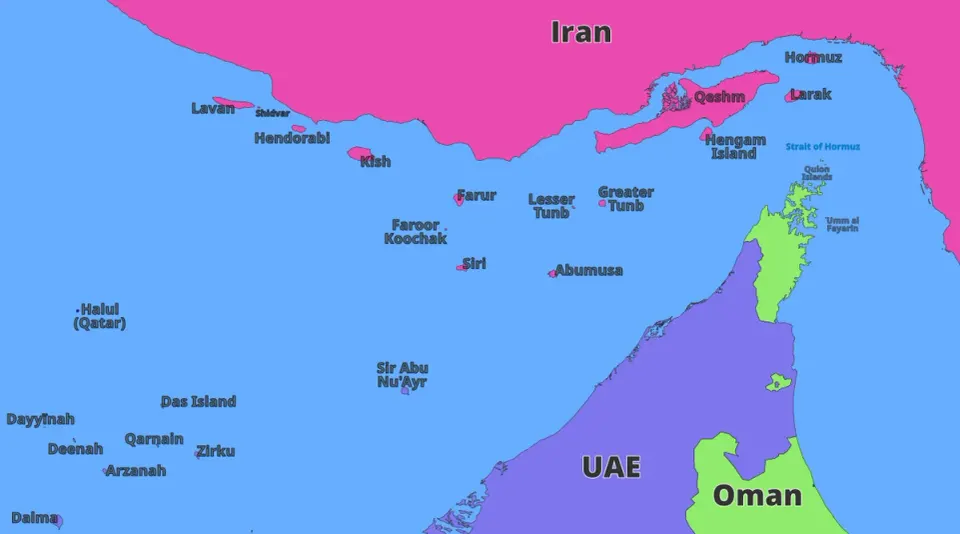
The Strait of Hormuz stands as one of the most strategically vital maritime chokepoints in the world, a narrow waterway connecting the Persian Gulf to the Arabian Sea and the broader Indian Ocean. Flanked by Iran to the north and Oman's Musandam Peninsula to the south, this strait, at its narrowest point, is only about 21 miles (33 km) wide, with shipping lanes just two miles (3 km) in each direction. Its seemingly modest dimensions belie its colossal importance to global energy markets and international trade.
What makes the Strait of Hormuz so crucial is the sheer volume of oil and liquefied natural gas (LNG) that traverses its waters daily. A significant portion of the world's seaborne oil — estimated to be around 20-30% of global petroleum liquids consumption — passes through this strait. It is the only sea passage from the Persian Gulf to the open ocean, making it indispensable for major oil producers like Saudi Arabia, Iran, Iraq, Kuwait, Qatar, and the UAE to export their crude to international markets, particularly to energy-hungry economies in Asia, Europe, and North America.
This immense traffic flow renders the Strait of Hormuz a focal point of geopolitical tension, especially in the context of the long-standing Iran-US conflict and broader Gulf economic uncertainty. Any disruption, or even the credible threat of disruption, to shipping in the strait can send immediate shockwaves through global energy markets, causing oil prices to surge, increasing shipping insurance costs, and unsettling international financial stability. Iran has, at various times, threatened to close the strait in response to sanctions or military pressure, highlighting its leverage over a critical artery of global commerce and underscoring why its security is a paramount concern for world powers.
Understanding the Strait of Hormuz's role is key to comprehending the economic and political dynamics of the Middle East and its ripple effects on the global economy. Its continued free and safe passage is not merely a regional issue but a cornerstone of global energy security, influencing everything from the price at the pump to the stability of international trade relations.