Lampard's Coaching Philosophy Takes Center Stage as Somali Piracy Surges and Himalayan Floods Devastate
فلسفه مربیگری لمپارد در کانون توجه؛ همزمان با اوجگیری دزدی دریایی سومالی و سیل ویرانگر هیمالیا
Overnight, a cultural note from Frank Lampard's coaching insights surprisingly led the global headlines, hinting at a moment of reflection amidst broader geopolitical shifts. However, the true global challenges emerged with a significant surge in Somali piracy, directly linked to the US-Iran conflict, and a devastating humanitarian crisis unfolding from severe floods in the Nepal-Tibet region. These real-world events paint a complex picture for global markets and regional stability.
At time of publishing
USD
202,800
Toman
Gold 18K
21.91M
Toman / gram
Bitcoin
$77,598
US Dollar
Tether
203,966
Toman
Market Open
As markets open this Saturday morning, the Iranian Rial experienced a slight depreciation against the US Dollar. The USD rose from 201,500 to 202,800 Toman, marking a modest 0.6% increase overnight. This movement reflects a continued demand for foreign currency in the domestic market, influenced by a blend of internal economic pressures and regional uncertainties.
In the precious metals sector, both gold and coin prices saw an upward trajectory. The price of 18-karat gold per gram climbed from 21,561,475 to 21,907,751 Toman, registering a 1.6% rise. Similarly, the Emami coin edged higher, moving from 216,000,000 to 217,000,000 Toman, reflecting a 0.5% gain. These increases often signal a hedging behavior among investors, seeking to preserve value amidst currency fluctuations and inflationary expectations. Meanwhile, Bitcoin, a bellwether for the broader crypto market, currently trades at 77,598 USD, continuing its volatile yet significant presence in global financial discussions.
Lampard's Managerial Reflections: A Cultural Pause
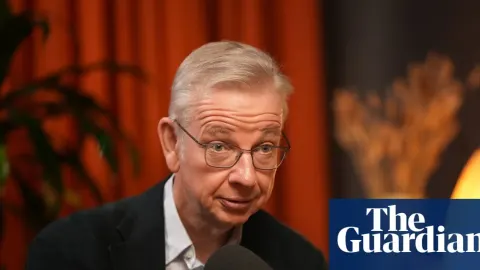
In a somewhat unexpected turn for a global morning briefing, one of the most discussed stories overnight came from the world of football. Coventry City manager Frank Lampard, eight years into his coaching career, offered insights into his managerial philosophy, attributing his style to a blend of influences from two titans of the sport: Jose Mourinho and Carlo Ancelotti. Lampard described his approach as 'somewhere in the middle' of these two distinct coaching methodologies, reflecting a thoughtful evolution in his leadership.
This commentary, while seemingly far removed from financial markets, can be interpreted as a cultural touchstone in a relatively quiet news cycle for major global economic shocks. In the absence of immediate, overwhelming financial crises, such reflections from prominent public figures can inadvertently contribute to the broader 'risk mood' by offering a sense of normalcy or a focus on personal development rather than systemic turmoil. It's a reminder that even amidst complex geopolitical and economic currents, moments of introspection and cultural discussion continue to shape the global narrative.
Somali Piracy Surges Amidst US-Iran War Ripple Effects
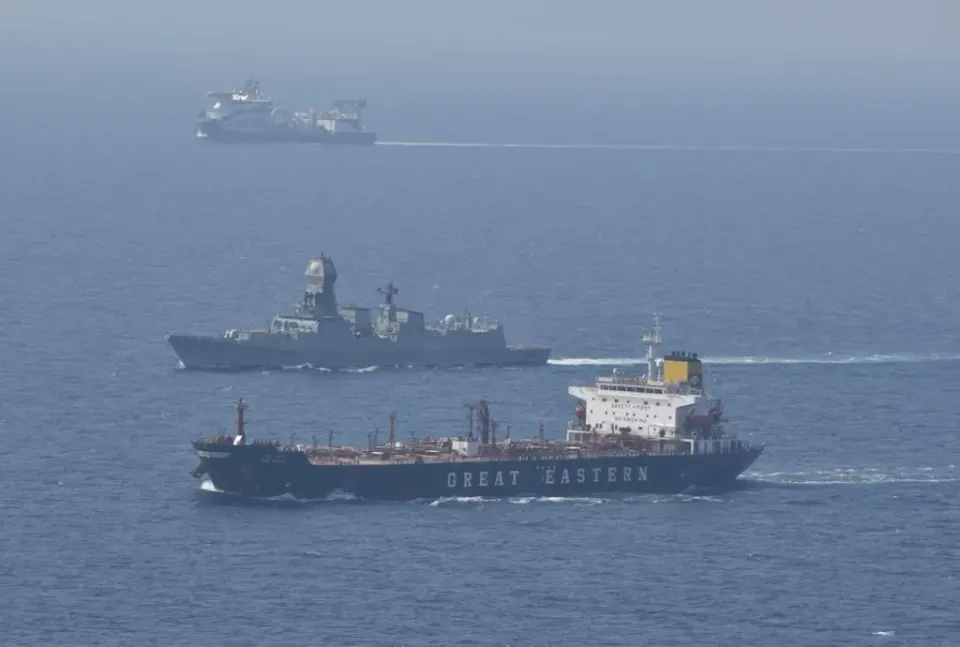
Shifting to more immediate geopolitical concerns, reports from BBC World indicate a significant and alarming resurgence in Somali piracy. At least 13 ships have been attacked since January, with two vessels seized just last week alone. This surge directly correlates with the wider instability and redirected naval resources resulting from the ongoing US-Iran conflict, which has created a dangerous vacuum in critical shipping lanes.
The implications of this renewed piracy threat are substantial. Increased attacks in the Gulf of Aden and the broader Indian Ocean region inevitably lead to higher insurance premiums for maritime trade, extended shipping routes to avoid high-risk areas, and elevated operational costs for global supply chains. For Iran, whose economy relies heavily on sea-borne trade, this instability adds another layer of complexity and risk to its commercial activities, further complicating efforts to navigate international sanctions and maintain vital export routes. The ripple effects of regional conflicts are clearly felt far beyond their immediate borders, impacting global commerce and security.
Devastating Floods Engulf Nepal and Tibet, Thousands Missing
A humanitarian catastrophe is unfolding in the Himalayan region, as devastating flash floods have swept through parts of Nepal and China's autonomous region of Tibet. France 24 reported that the death toll has tragically surpassed 600, with nearly 3,000 people still missing days after the initial deluge. Rescue efforts are being severely hampered by the challenging mountainous terrain and the persistent threat of further flooding.
These extreme weather events are a stark reminder of the escalating impact of climate change, particularly in vulnerable geographical areas. The sheer scale of the displacement and loss of life will necessitate massive international aid and long-term reconstruction efforts. Economically, the floods will decimate local agricultural livelihoods, disrupt nascent tourism industries, and place immense strain on already limited infrastructure, leading to prolonged recovery periods for the affected communities. The human cost, however, remains the most profound consequence.
Australia's Solar Panel Debate: Energy Savings vs. Regulations
In a story with significant implications for household economics and renewable energy adoption, an advocacy group in Australia is urging the government to legalize plug-in solar panels, mirroring policies already in place in the UK. The Guardian reported that these small, easy-to-install units, which can be attached to balconies or used in backyards, could save Australian households up to $370 annually on their energy bills and contribute meaningfully to climate change mitigation efforts.
The core of the debate lies in existing Australian regulations that currently restrict the widespread adoption of these consumer-friendly solar solutions. Proponents argue that legalizing plug-in solar would democratize access to renewable energy, empowering individual citizens to reduce their carbon footprint and combat rising electricity costs. Such a policy shift would not only benefit individual consumers but also align Australia more closely with global trends towards decentralized energy generation, potentially influencing broader energy policy discussions in other developed nations wrestling with similar regulatory hurdles and energy transition goals.

Ghalibaf Reaffirms Leader's Guiding Principles for Iranian Officials
Domestically, Iranian Parliament Speaker Mohammad Bagher Ghalibaf underscored the enduring influence of the Supreme Leader on governmental affairs. According to IRNA, Iran's state news agency, Ghalibaf stated that the message delivered by Leader of the Islamic Revolution Ayatollah Sayyid Mojtaba Hosseini Khamenei during Government Week serves as a crucial guiding principle for all Iranian officials. This statement reinforces the ideological framework within which the government operates.
Such declarations are a routine feature of Iranian political discourse, particularly during designated periods like Government Week, which are used to emphasize unity and adherence to the Supreme Leader's vision. For both Iranian citizens and international observers, Ghalibaf's remarks highlight the centralized nature of decision-making and the consistent ideological direction of the Islamic Republic. This continuous reinforcement of the Supreme Leader's authority signals a steady course in domestic policy and foreign relations, which can impact investor confidence by confirming the regime's established, often conservative, stance on key issues.
Frequently Asked Questions
How does the US-Iran conflict directly contribute to the resurgence of Somali piracy?
What are the immediate economic consequences of increased piracy in the Gulf of Aden for global trade?
Why are plug-in solar panels not widely legalized in Australia, unlike the UK?
What does Ghalibaf's statement about the Leader's message imply for Iranian policy direction?
What is the long-term impact of the Nepal-Tibet floods on the region's economy and environment?
Understanding Exchange‑Rate Risk and Its Impact on Your Money
Exchange‑rate risk, also known as currency risk, is the possibility that the value of a foreign currency will change relative to your home currency, affecting the real worth of any cross‑border transaction or investment. For anyone tracking USD/IRR (U.S. dollars to Iranian rials), gold prices, or even Bitcoin, a sudden shift in the exchange rate can turn a profitable trade into a loss within minutes. The risk arises because exchange rates are influenced by a mix of economic fundamentals (inflation, interest rates), political events (sanctions, wars), and market sentiment, all of which can move quickly and unpredictably.
Investors manage exchange‑rate risk through several strategies. The most common is hedging, which involves using financial instruments such as forward contracts, futures, options, or currency swaps to lock in a future exchange rate. For example, an Iranian importer expecting to pay for U.S.‑sourced goods in dollars can enter a forward contract to buy dollars at today’s rate, insulating the transaction from a potential rial depreciation. Hedging can be costly, however, because the premium paid for protection reduces potential upside if the exchange rate moves favorably.
Beyond formal hedges, diversification is a simple yet effective way to mitigate currency exposure. Holding assets in multiple currencies—such as a mix of USD‑denominated bonds, gold (priced in dollars but often seen as a hedge against inflation), and Bitcoin (a digital asset with its own volatility)—spreads risk across different monetary systems. Nevertheless, each asset class carries its own set of risks, so investors should assess their overall risk tolerance and time horizon before allocating funds.
Finally, staying informed about geopolitical developments is crucial. Events like the US‑Iran tensions, regional conflicts, or natural disasters (e.g., Himalayan floods disrupting trade routes) can trigger sharp currency moves. Regularly consulting reliable sources—central bank announcements, reputable financial news, and economic calendars—helps you anticipate potential shocks and adjust your hedging or diversification strategy accordingly.